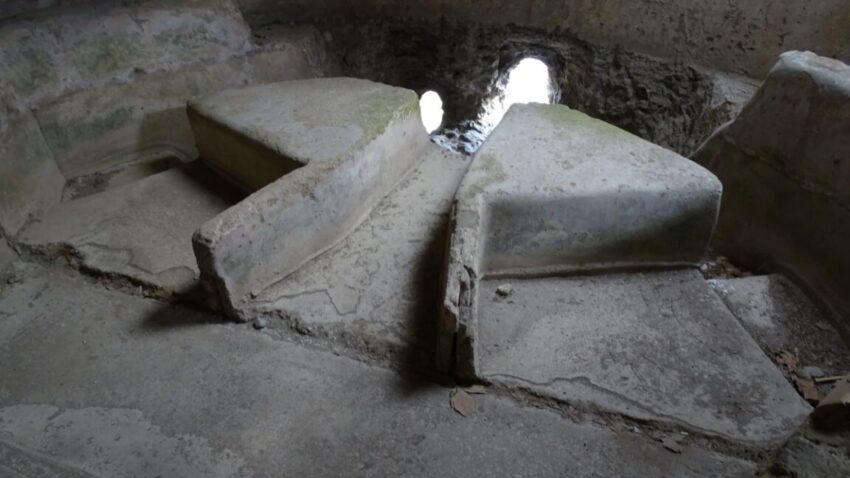
switching water sources improved hygiene of pompeii A recent study has revealed significant insights into the water supply of Pompeii, particularly how changes in water sources improved the hygiene of the city’s public baths.
switching water sources improved hygiene of pompeii
The Catastrophic Eruption of Mount Vesuvius
The eruption of Mount Vesuvius in 79 CE was one of the most catastrophic volcanic events in history. It released thermal energy equivalent to approximately 100,000 times that of the atomic bombs dropped on Hiroshima and Nagasaki during World War II. The eruption spewed molten rock, pumice, and hot ash over the city of Pompeii, effectively freezing it in time. This catastrophic event preserved numerous structures, including public baths, aqueducts, and water towers, which provide a unique glimpse into the daily lives of the inhabitants of Pompeii.
The Importance of Public Baths in Pompeii
Public baths were a central aspect of social life in ancient Roman cities, serving not only as places for bathing but also as social hubs where citizens gathered to relax, exercise, and engage in conversation. In Pompeii, these baths were equipped with advanced engineering features, such as hypocaust systems for heating water and spaces for various bathing activities. The baths were a reflection of the city’s wealth and sophistication, showcasing the engineering prowess of the time.
Research on Water Supply Systems
A recent paper published in the Proceedings of the National Academy of Sciences has provided new insights into the water supply system of Pompeii. The authors of the study focused on analyzing calcium carbonate deposits found in well shafts, public baths, and aqueducts. These deposits serve as valuable records of the water’s chemical composition and changes over time.
Historical Context of Water Supply in Pompeii
Pompeii was founded in the sixth century BCE, and historical records indicate that the city initially relied on rainwater collected in cisterns and wells. This method of water collection was common in ancient cities, particularly in regions where rainfall was seasonal. As Pompeii grew, so did the complexity of its water supply system. The construction of an aqueduct between 27 BCE and 14 CE marked a significant advancement in the city’s ability to supply water to its inhabitants.
Technological Innovations in Water Management
The public baths in Pompeii employed sophisticated weight-lifting machinery to draw water from deep well shafts, some reaching depths of up to 40 meters. This technology was crucial for ensuring a consistent water supply, particularly for the baths, which required large volumes of water to operate effectively. The aqueduct system further enhanced the city’s water supply, allowing for a more reliable and abundant source of water.
Analyzing Calcium Carbonate Deposits
The authors of the recent study were particularly interested in the calcium carbonate deposits left by water in the well shafts and baths. These deposits can provide a wealth of information about the water’s historical chemical composition, seasonal temperature changes, and even the maintenance practices of the public baths.
Understanding Chemical Composition
The calcium carbonate deposits exhibit different layers, each with distinct chemical and isotopic compositions, as well as variations in calcite crystal size and shape. By analyzing these properties, researchers can reconstruct the history of the water supply systems in Pompeii. This analysis allows for a deeper understanding of how the public baths were maintained and how the water supply adapted over time.
Implications for Hygiene and Public Health
One of the most significant findings of the study is the implication for hygiene in Pompeii’s public baths. The transition to a more sophisticated water supply system likely improved the overall hygiene of the baths. Clean water is essential for maintaining sanitary conditions, and the ability to draw water from a reliable source would have reduced the risk of contamination.
Stakeholder Reactions and Broader Context
The findings of this study have garnered attention from historians, archaeologists, and public health experts alike. The implications of improved hygiene in public baths extend beyond mere historical interest; they provide insights into the public health practices of ancient civilizations. Understanding how the Romans managed their water supply can inform contemporary discussions about urban planning and public health.
Historical Significance
The study contributes to a growing body of research focused on ancient water management systems. As urban centers continue to grow, the lessons learned from Pompeii’s water supply can offer valuable insights into sustainable practices. The ability to adapt water management systems to meet the needs of a growing population is a challenge that remains relevant today.
Future Research Directions
Future research may focus on further analyzing the chemical properties of the calcium carbonate deposits to uncover additional information about seasonal variations in water quality. Additionally, comparative studies with other ancient cities could provide a broader understanding of water management practices across different cultures and time periods.
Conclusion
The recent study on Pompeii’s water supply systems has shed light on the complexities of ancient water management and its implications for public health. The transition to a more sophisticated water source likely improved the hygiene of the city’s public baths, reflecting the advanced engineering capabilities of the time. As researchers continue to analyze the calcium carbonate deposits, they will undoubtedly uncover more about the daily lives of Pompeii’s inhabitants and the importance of water management in ancient Rome.
Source: Original report
Was this helpful?
Last Modified: January 13, 2026 at 6:41 am
0 views