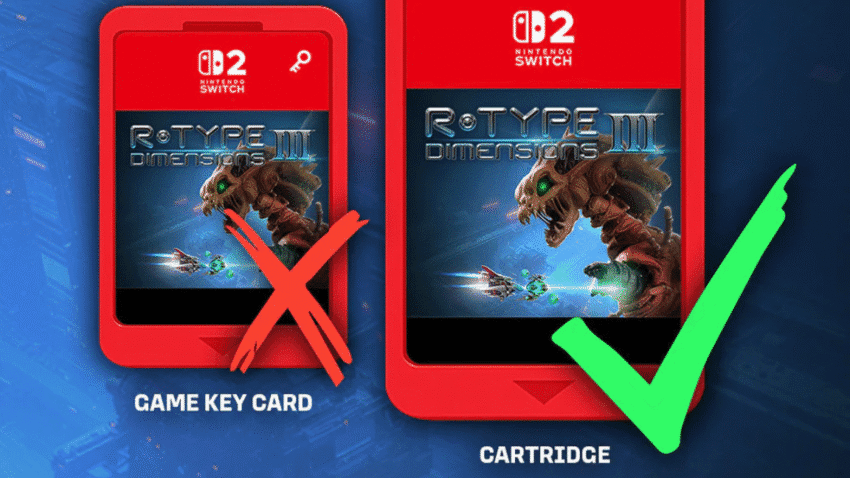
switch 2 pub backs off game key Recent developments regarding the Nintendo Switch 2 have raised eyebrows, particularly concerning the controversial Game Key Cards and the potential introduction of lower-cost cartridge options.
switch 2 pub backs off game key
Understanding Game Key Cards
The Nintendo Switch 2 has introduced a new format known as Game Key Cards, which are designed to facilitate digital downloads without including physical data storage. This innovation has sparked a mixed reaction among gamers. While some players appreciate the convenience of digital access, many are concerned about the implications for long-term ownership and access to their purchased games. The absence of physical data means that if a game is removed from the digital store or if servers go down, players may lose access to their purchases entirely.
From a publisher’s perspective, Game Key Cards present a cost-effective solution. Traditional cartridges are equipped with expensive flash memory, which can significantly increase production costs. By opting for Game Key Cards, publishers can save on these expenses, making it an attractive option for many game developers and distributors. However, this cost-saving measure has come at the expense of consumer confidence, as players worry about the longevity and accessibility of their game libraries.
Publisher Reactions and Concerns
Inin Games, the publisher behind R-Type Dimensions III, has recently voiced concerns regarding the transition from Game Key Cards to full physical cartridges. The company explained that switching to a traditional cartridge format would lead to a substantial increase in manufacturing costs. Inin Games stated that this change would necessitate raising the retail price by at least €15 (approximately $20), a move that could deter potential buyers and impact sales negatively.
This situation highlights a broader issue within the gaming industry: the balance between production costs and consumer expectations. While publishers are eager to reduce expenses, they must also consider how these decisions affect player experience and satisfaction. The push for lower production costs often leads to compromises that can alienate a segment of the gaming community.
The Implications of Lower-Cost Cartridges
Recent reports suggest that Nintendo may be exploring the option of offering cheaper cartridges with smaller storage capacities. This development could potentially change the landscape for game publishers and developers. If these lower-cost cartridges become widely available, it may encourage more publishers to release full physical versions of their games, rather than relying solely on Game Key Cards.
Smaller capacity cartridges could serve as a middle ground, allowing publishers to maintain physical media while also reducing costs. This could lead to a resurgence in physical game sales, which have been declining in recent years as digital downloads become increasingly popular. A return to physical media could also address some of the concerns players have regarding ownership and access, as owning a physical copy of a game typically guarantees access regardless of digital store availability.
Market Trends and Consumer Preferences
The gaming market has seen a significant shift towards digital distribution over the past decade. Many players now prefer the convenience of downloading games directly to their consoles rather than purchasing physical copies. However, this trend has not come without its drawbacks. As mentioned earlier, concerns about long-term access to digital purchases have become a focal point for many gamers.
According to recent surveys, a substantial portion of gamers still values physical media for various reasons, including collectability, nostalgia, and the assurance of ownership. The potential introduction of lower-cost cartridges could cater to this demographic, providing a viable option for those who wish to own their games outright.
Consumer Sentiment and Future Outlook
The reaction from the gaming community regarding the Switch 2’s Game Key Cards has been largely negative. Many players have taken to social media and gaming forums to express their dissatisfaction, emphasizing the importance of ownership in the digital age. The sentiment is clear: while convenience is appreciated, the assurance of access and ownership is paramount.
As the gaming industry continues to evolve, publishers will need to adapt to these changing consumer preferences. The introduction of lower-cost cartridges could be a step in the right direction, but it remains to be seen whether this will be enough to sway public opinion. If Nintendo and other publishers can strike a balance between cost savings and consumer satisfaction, they may be able to foster a more positive relationship with their audience.
Stakeholder Perspectives
Various stakeholders in the gaming industry have expressed their views on the current situation. Publishers are keen to reduce costs, but they also recognize the importance of maintaining a loyal customer base. Gamers, on the other hand, are advocating for their rights to own and access the games they purchase. This tug-of-war between cost and consumer rights is likely to shape the future of gaming.
Industry analysts have pointed out that the success of the Switch 2 will depend on how well Nintendo addresses these concerns. If the company can provide a solution that satisfies both publishers and consumers, it may set a precedent for future consoles. On the flip side, failure to address these issues could lead to a decline in consumer trust and a potential backlash against the platform.
Conclusion: Navigating the Future of Gaming
The ongoing debate surrounding the Nintendo Switch 2’s Game Key Cards and the potential introduction of lower-cost cartridges underscores the complexities of the modern gaming landscape. As publishers seek to cut costs, they must also navigate the delicate balance of consumer expectations and long-term access to digital purchases.
While the introduction of cheaper cartridges could provide a solution to some of these challenges, it remains to be seen whether this will be enough to quell the concerns of gamers. The future of gaming will likely depend on how well companies can adapt to the evolving landscape, ensuring that both production costs and consumer satisfaction are taken into account.
As the industry continues to evolve, stakeholders will need to engage in open dialogue to address these pressing issues. The gaming community is vocal and passionate, and their feedback will be crucial in shaping the future of gaming consoles and distribution methods.
Source: Original report
Was this helpful?
Last Modified: December 20, 2025 at 11:38 am
0 views