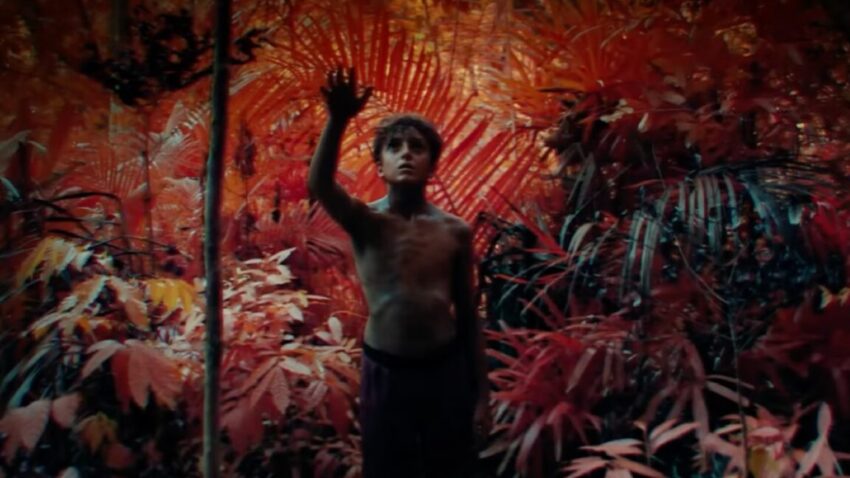
stranded boys struggle to survive in lord The first trailer for the BBC One adaptation of William Golding’s classic novel, Lord of the Flies, has been released, showcasing the harrowing struggle for survival faced by a group of stranded boys.
stranded boys struggle to survive in lord
Overview of the Adaptation
BBC One has taken on the ambitious task of adapting Golding’s 1954 novel into a miniseries format, a project that has garnered significant attention since the release of its first trailer. This adaptation marks a notable addition to the canon of adaptations of Lord of the Flies, which has seen three previous film versions since its publication. The novel’s themes of civilization versus savagery and the inherent darkness within human nature continue to resonate, making it a compelling choice for modern television.
Historical Context of the Novel
William Golding’s Lord of the Flies was published in 1954 and has since become a staple in literary studies, often explored in educational settings for its profound commentary on human nature. The story revolves around a group of boys stranded on an uninhabited island after a plane crash. Left to their own devices, they attempt to govern themselves, with disastrous results. The novel serves as a critique of the notion that civilization is a natural state for humanity, suggesting instead that savagery lurks just beneath the surface.
Golding’s inspiration for the novel came from a popular children’s book titled The Coral Island, which presented a more optimistic view of human nature and colonialism. In contrast, Golding sought to explore the darker aspects of humanity, illustrating how quickly order can devolve into chaos when societal structures are removed. This thematic exploration has made the novel a subject of extensive analysis and debate, particularly regarding its implications for understanding human behavior in extreme circumstances.
Previous Adaptations and Cultural Impact
Since its publication, Lord of the Flies has been adapted for film three times, with the first adaptation released in 1963, followed by a 1990 version and a 1996 television film. Each adaptation has interpreted Golding’s themes in varying ways, reflecting the cultural contexts of their respective times. The 1963 film, directed by Peter Brook, is often praised for its stark portrayal of the novel’s themes, while the 1990 adaptation, directed by Harry Hook, took a more modern approach, incorporating contemporary elements that resonated with audiences of the time.
In addition to these direct adaptations, Lord of the Flies has inspired various works in popular culture, including the Emmy-nominated TV series Yellowjackets. This series, which follows a high school girls’ soccer team stranded in the wilderness, draws on themes similar to those in Golding’s novel, exploring the psychological and social dynamics that emerge in survival situations. Yellowjackets has been renewed for its fourth and final season, further highlighting the enduring relevance of the themes presented in Lord of the Flies.
Support from the Golding Family
The new BBC miniseries has reportedly received the support of the Golding family, which adds a layer of authenticity to the adaptation. This endorsement suggests that the adaptation aims to remain faithful to the original text, capturing the essence of Golding’s vision while potentially introducing new elements that resonate with contemporary audiences. The involvement of the Golding family may also indicate a desire to honor the legacy of the novel and its impact on literature and culture.
The Trailer: Themes and Visuals
The recently released trailer provides a glimpse into the miniseries’ interpretation of the source material. It showcases the boys’ descent into chaos as they grapple with their primal instincts and the struggle for power among them. The visuals highlight the stark contrast between the idyllic setting of the island and the dark turn of events that unfolds as the boys’ societal structures begin to crumble.
One of the most striking elements of the trailer is its emphasis on the psychological tension that arises among the boys. As they attempt to establish order, the trailer hints at the inevitable conflict that arises when individual desires clash with group dynamics. The cinematography captures the lush beauty of the island, juxtaposed with the growing sense of dread as the boys confront their inner demons.
Character Dynamics and Development
In Golding’s novel, the characters represent various aspects of human nature, each embodying different responses to the challenges they face. Ralph, the elected leader, symbolizes order and civilization, while Jack represents the allure of savagery and the desire for power. Piggy, with his intelligence and rationality, serves as a voice of reason, often marginalized by the more dominant personalities. The dynamics among these characters are crucial to understanding the novel’s themes, and it remains to be seen how the miniseries will portray these relationships.
The trailer hints at the complexities of these character interactions, showcasing moments of camaraderie as well as tension. As the boys’ situation becomes increasingly dire, the struggle for leadership and survival becomes a focal point, reflecting the broader themes of power and morality that Golding explored in his work.
Implications of the Adaptation
The adaptation of Lord of the Flies into a miniseries format presents both opportunities and challenges. On one hand, the miniseries format allows for a more in-depth exploration of the characters and themes, providing the time necessary to delve into the psychological complexities that Golding presented in his novel. This format can also facilitate a more nuanced portrayal of the boys’ descent into savagery, allowing for a gradual buildup of tension and conflict.
On the other hand, adaptations of classic literature often face scrutiny from audiences and critics alike, particularly when it comes to fidelity to the source material. The challenge lies in balancing the need for a fresh interpretation that resonates with contemporary viewers while remaining true to the core themes and messages of the original work. The support from the Golding family may alleviate some concerns, but the adaptation will still need to navigate the expectations of both fans of the novel and new audiences.
Stakeholder Reactions
Initial reactions to the trailer have been mixed, with some expressing excitement about the potential of the adaptation to bring Golding’s themes to a new generation. Others, however, have voiced concerns about the challenges of translating such a complex narrative to the screen. The success of the adaptation may ultimately hinge on its ability to capture the essence of Golding’s work while offering a fresh perspective that resonates with contemporary audiences.
Critics of previous adaptations have often pointed out the difficulty of conveying the novel’s deeper philosophical questions within the constraints of a film or television format. The miniseries format may provide a solution to this issue, allowing for more extensive character development and thematic exploration. However, the adaptation will still need to engage viewers emotionally and intellectually to succeed.
Conclusion
The BBC One adaptation of Lord of the Flies represents a significant undertaking, aiming to bring William Golding’s classic novel to life for a new audience. With the support of the Golding family and a promising trailer that hints at a faithful yet fresh interpretation, the miniseries has the potential to explore the complex themes of civilization, savagery, and the human condition. As anticipation builds for its release, viewers will be watching closely to see how this adaptation navigates the challenges of translating a literary classic to the screen.
Source: Original report
Was this helpful?
Last Modified: January 29, 2026 at 2:39 pm
5 views