steamos continues its slow spread across the SteamOS is gradually establishing its presence in the predominantly Windows-centric PC gaming market, with recent developments indicating a promising trajectory for the Linux-based operating system.
steamos continues its slow spread across the
Lenovo’s Commitment to SteamOS
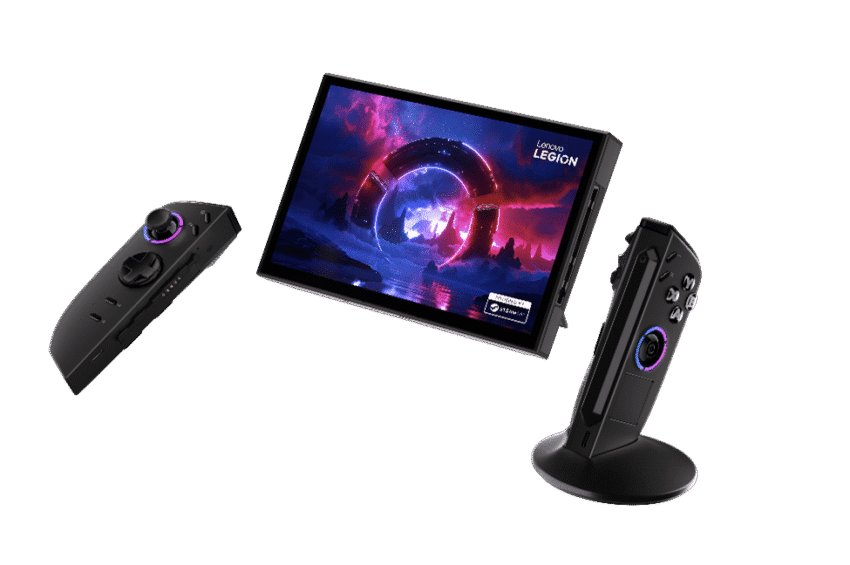
At the recent Consumer Electronics Show (CES), Lenovo made headlines by announcing a new version of its high-performance Legion Go 2 handheld gaming device, which will come pre-installed with SteamOS. This model is set to launch in June and marks a significant step in Lenovo’s ongoing collaboration with Valve, the company behind SteamOS. Lenovo’s decision to integrate SteamOS into its hardware underscores a growing trend among manufacturers to explore alternatives to Windows in the gaming space.
Background on Lenovo’s SteamOS Journey
Lenovo’s relationship with SteamOS began last year when it introduced a SteamOS-compatible version of the lower-end Legion Go S. This move made Lenovo the first non-Valve hardware manufacturer to embrace Valve’s gaming-focused operating system. The initial reception was positive, as early tests indicated that the SteamOS version outperformed its Windows counterpart in many popular gaming titles. This performance advantage has likely encouraged Lenovo to expand its offerings with the Legion Go 2.
Performance Insights
Ars Technica conducted tests on the original Legion Go S and found that it delivered superior performance compared to the Windows-based version of the same hardware. This finding is particularly noteworthy given the historical dominance of Windows in the PC gaming market. The ability of SteamOS to leverage the hardware effectively has raised questions about the future viability of Windows as the default operating system for gaming devices.
Valve’s Strategic Expansion of SteamOS
Valve has been actively working to broaden the reach of SteamOS beyond its proprietary hardware. The introduction of the SteamOS Compatible software label in May 2025 was a pivotal moment in this strategy. This label allows third-party manufacturers to develop and market devices that can run SteamOS, thereby expanding the ecosystem and encouraging more developers to create games optimized for the platform.
SteamOS Version 3.7 and Its Features
With the release of SteamOS version 3.7, Valve has made significant strides in enhancing compatibility and performance. One of the key features of this update is the support for manual installation on AMD-powered handheld devices, including the ROG Ally and the original Legion Go. This move not only increases the number of devices that can run SteamOS but also signals Valve’s intent to make the operating system more accessible to a broader audience.
Implications for Developers and Gamers
The expansion of SteamOS compatibility has important implications for both game developers and gamers. For developers, the ability to create games that run on a wider range of devices could lead to increased market opportunities. As more gamers adopt SteamOS-compatible devices, developers may find it worthwhile to invest in optimizing their titles for this platform.
For gamers, the growing availability of SteamOS devices means more choices in the market. The potential for better performance and a more streamlined gaming experience could attract users who have traditionally relied on Windows. Additionally, the open-source nature of Linux-based operating systems may appeal to tech-savvy gamers who prefer customization and flexibility.
Challenges Ahead for SteamOS
Despite the positive developments, SteamOS still faces several challenges as it seeks to carve out a niche in the gaming landscape. One of the most significant hurdles is the entrenched dominance of Windows. Many gamers have built extensive libraries of games that are optimized for Windows, and transitioning to a new operating system can be daunting.
Compatibility Concerns
While Valve has made strides in improving compatibility, there are still concerns regarding the availability of popular titles on SteamOS. Many major game developers prioritize Windows for their releases, which can limit the appeal of SteamOS for gamers who want access to the latest titles. Valve’s ongoing efforts to encourage developers to support SteamOS will be crucial in addressing this issue.
Market Perception
Another challenge lies in market perception. Windows has long been viewed as the standard operating system for gaming, and changing this perception will take time and effort. Valve must continue to demonstrate the advantages of SteamOS, such as performance benefits and a more user-friendly interface, to convince gamers to make the switch.
Future Prospects for SteamOS
Looking ahead, the future of SteamOS appears promising, particularly with the increasing interest from hardware manufacturers like Lenovo. As more devices come equipped with SteamOS, the ecosystem will likely grow, attracting both gamers and developers. The potential for cross-platform play and the ability to run games on a variety of devices could further enhance the appeal of SteamOS.
Potential Collaborations and Innovations
Valve’s collaboration with hardware manufacturers may lead to innovative gaming experiences that leverage the unique capabilities of SteamOS. As more companies explore the possibilities of Linux-based gaming, we may see a wave of new devices that cater to different segments of the gaming market, from casual gamers to hardcore enthusiasts.
Community Engagement and Support
Community engagement will also play a vital role in the success of SteamOS. Valve has a history of fostering a strong community around its products, and encouraging user feedback and contributions can help improve the operating system. By actively involving the community in the development process, Valve can ensure that SteamOS continues to evolve in ways that meet the needs of its users.
Conclusion
In summary, SteamOS is gradually making its mark in the PC gaming landscape, with Lenovo’s upcoming Legion Go 2 serving as a significant milestone in its journey. Valve’s strategic efforts to expand compatibility and enhance performance are paving the way for a more diverse gaming ecosystem. While challenges remain, the growing interest from hardware manufacturers and the potential for innovative collaborations suggest that SteamOS may continue to gain traction in the coming years. As the gaming community embraces new technologies and platforms, SteamOS could play a pivotal role in shaping the future of gaming.
Source: Original report
Was this helpful?
Last Modified: January 8, 2026 at 3:39 am
14 views