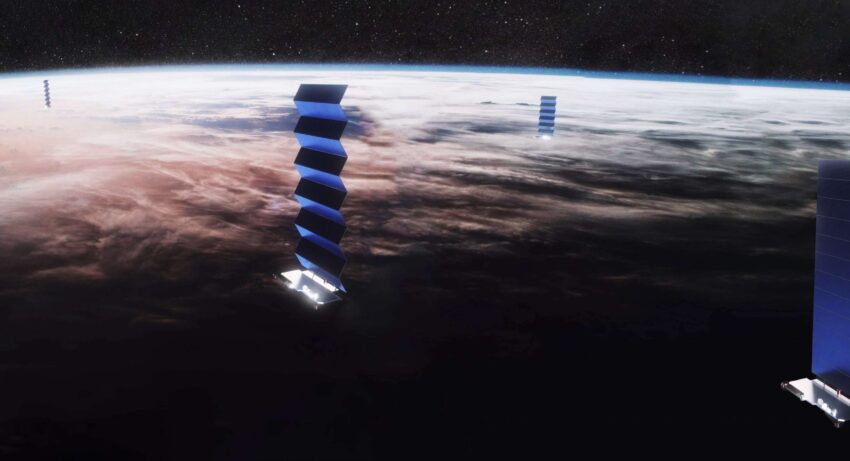
starlink and chinese satellites nearly collided last A collision in space was narrowly avoided last week when a newly deployed Chinese satellite came within a few hundred meters of one of the roughly 9,000 Starlink satellites currently operating in low Earth orbit.
starlink and chinese satellites nearly collided last
Incident Overview
On a recent occasion, a potentially catastrophic event was averted in the crowded expanse of low Earth orbit (LEO). A newly launched Chinese satellite approached a Starlink satellite operated by SpaceX at a dangerously close distance. The incident highlights ongoing concerns regarding space traffic management and the responsibilities of satellite operators in ensuring safe operations in orbit.
According to reports, the Chinese satellite was deployed from the Jiuquan Satellite Launch Center in Northwestern China. SpaceX’s Starlink system, which consists of thousands of satellites providing global internet coverage, has been a focal point of discussions surrounding space congestion. Michael Nicolls, Vice President of Starlink Engineering at SpaceX, expressed concerns about the lack of communication from satellite operators, which can lead to such close encounters.
Details of the Encounter
The specific details surrounding the incident indicate that the Chinese satellite came within a few hundred meters of a Starlink satellite. While this distance may seem substantial in terrestrial terms, in the context of space, it is alarmingly close. The risk of collision in space is a significant concern, particularly as the number of satellites in orbit continues to rise. With approximately 9,000 Starlink satellites currently operational, the potential for close encounters increases as more satellites are launched.
SpaceX’s Position
In response to the incident, SpaceX has placed the responsibility on the satellite operator for failing to share critical location data. Nicolls stated, “When satellite operators do not share ephemeris for their satellites, dangerously close approaches can occur in space.” Ephemeris data includes the precise orbital positions of satellites, which is essential for collision avoidance maneuvers.
This incident underscores a broader issue in the realm of space operations: the need for improved communication and coordination among satellite operators. As the number of satellites in orbit grows, the potential for collisions increases, making it imperative for operators to share data that can help prevent such incidents.
The Growing Problem of Space Debris
The incident involving the Starlink and Chinese satellites is not an isolated occurrence but part of a larger trend concerning space debris and satellite congestion. As more countries and private entities launch satellites, the risk of collisions and the creation of space debris escalates. The United Nations Office for Outer Space Affairs (UNOOSA) has been vocal about the need for international cooperation in managing space traffic and mitigating debris.
Space debris consists of defunct satellites, spent rocket stages, and fragments from previous collisions. According to the European Space Agency (ESA), there are currently over 36,500 pieces of debris larger than 10 centimeters in orbit, with millions of smaller fragments also posing a risk to operational satellites. The presence of such debris complicates the already challenging task of maintaining safe distances between active satellites.
International Guidelines and Regulations
In light of the increasing number of satellites and the associated risks, various international guidelines and regulations have been proposed to enhance space safety. The Inter-Agency Space Debris Coordination Committee (IADC) has established guidelines for the long-term sustainability of space activities. These guidelines emphasize the importance of sharing information about satellite orbits and collision avoidance strategies.
However, compliance with these guidelines is voluntary, and not all satellite operators adhere to them. The lack of a binding international framework for space traffic management raises concerns about the accountability of satellite operators and the effectiveness of existing measures to prevent collisions.
Stakeholder Reactions
The recent near-collision has elicited responses from various stakeholders in the space industry. SpaceX, as a leading player in the satellite internet market, has a vested interest in ensuring the safety of its Starlink constellation. The company has been proactive in developing technologies for collision avoidance, including automated systems that can maneuver satellites to avoid potential collisions.
On the other hand, the Chinese satellite operator has not publicly commented on the incident or addressed the concerns raised by SpaceX. This lack of transparency raises questions about the operational practices of satellite operators in China and their willingness to engage in international dialogue regarding space safety.
Implications for Future Operations
The implications of this incident extend beyond the immediate concern of a near-collision. As the number of satellites in orbit continues to grow, the need for effective space traffic management becomes increasingly critical. The incident serves as a wake-up call for satellite operators to prioritize communication and collaboration in order to mitigate the risks associated with space congestion.
Furthermore, the event may prompt regulatory bodies and international organizations to consider more stringent measures for satellite operations. The establishment of a centralized database for satellite ephemeris data could facilitate better coordination among operators and enhance overall safety in space.
Technological Solutions to Collision Avoidance
In response to the growing concerns about collisions in space, various technological solutions are being explored. One approach involves the use of advanced tracking systems that can monitor the positions of satellites and debris in real time. These systems can provide operators with timely information about potential collision threats, allowing for proactive maneuvers to avoid accidents.
Additionally, artificial intelligence (AI) is being leveraged to enhance collision avoidance strategies. AI algorithms can analyze vast amounts of data to predict potential collision scenarios and recommend appropriate actions. This technology has the potential to revolutionize space traffic management by providing operators with actionable insights that can improve safety.
Collaborative Efforts for Space Safety
Collaboration among satellite operators, governments, and international organizations is essential for addressing the challenges posed by space congestion. Initiatives such as the Space Data Association (SDA) aim to foster cooperation among satellite operators by sharing information about satellite positions and potential collision risks. Such collaborative efforts can enhance situational awareness and contribute to safer operations in orbit.
Moreover, the establishment of international forums for discussing space safety issues can facilitate dialogue and promote best practices among stakeholders. By working together, the global space community can develop comprehensive strategies for managing space traffic and mitigating the risks associated with collisions.
Conclusion
The recent near-collision between a Starlink satellite and a Chinese satellite serves as a stark reminder of the complexities and challenges associated with operating in low Earth orbit. As the number of satellites continues to rise, the importance of effective communication, collaboration, and technological innovation cannot be overstated. The incident highlights the urgent need for improved space traffic management practices and international cooperation to ensure the long-term sustainability of space activities.
As the space industry evolves, stakeholders must prioritize safety and accountability to prevent future incidents. The development of robust frameworks for sharing satellite data and coordinating operations will be crucial in navigating the increasingly crowded skies above us.
Source: Original report
Was this helpful?
Last Modified: December 15, 2025 at 4:37 pm
8 views