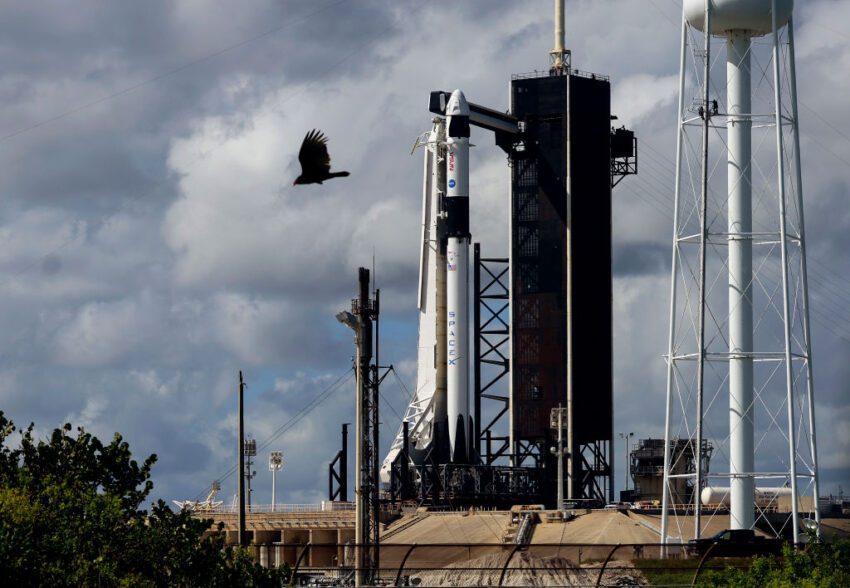
spacex reportedly in talks for secondary sale SpaceX is reportedly engaged in discussions for a secondary sale that could value the company at an astonishing $800 billion, potentially positioning it as the most valuable private company in the United States.
spacex reportedly in talks for secondary sale
Understanding SpaceX’s Valuation
SpaceX, founded by Elon Musk in 2002, has consistently pushed the boundaries of aerospace technology and commercial space travel. The company has achieved numerous milestones, including the first privately-funded spacecraft to reach orbit and the first to dock with the International Space Station (ISS). Its ambitious plans for Mars colonization and satellite internet services through the Starlink project have further fueled investor interest.
The reported $800 billion valuation reflects a broader trend in private markets where mega-valuations have become increasingly routine. This phenomenon raises questions about the sustainability of such high valuations and the implications for the future of private equity investments.
The Rise of Mega-Valuations
In recent years, the landscape of private equity has shifted dramatically. Companies like SpaceX, Stripe, and Airbnb have achieved valuations that were once considered unattainable. The influx of capital from venture capital firms, private equity investors, and even sovereign wealth funds has contributed to this trend. Investors are often willing to pay a premium for stakes in companies that show potential for high growth, particularly in technology and space sectors.
According to data from PitchBook, the number of private companies valued at over $1 billion has surged in the past decade. In 2020 alone, over 200 companies reached unicorn status, a term used to describe startups valued at $1 billion or more. This trend has led to a competitive environment where investors are eager to secure a piece of the next big thing, often resulting in inflated valuations.
Implications of SpaceX’s Valuation
The potential $800 billion valuation for SpaceX carries significant implications for various stakeholders, including investors, competitors, and the broader aerospace industry.
Investor Sentiment
For investors, the prospect of investing in a company with such a high valuation can be both enticing and daunting. On one hand, the potential for substantial returns is appealing. On the other hand, the risks associated with investing in a company at such a high valuation can be substantial. If SpaceX fails to meet growth expectations or faces regulatory hurdles, the valuation could plummet, leading to significant losses for investors.
Moreover, the secondary sale could provide liquidity for early investors and employees, allowing them to cash in on their stakes. This liquidity event is crucial in the private equity landscape, where investors often face long holding periods before they can realize returns on their investments.
Competitive Landscape
SpaceX’s soaring valuation could also impact its competitors in the aerospace sector. Companies like Blue Origin, founded by Jeff Bezos, and Rocket Lab are vying for market share in the commercial space industry. A high valuation for SpaceX may compel these competitors to reassess their strategies and investment approaches.
Additionally, the valuation could attract new entrants into the market. As the aerospace industry continues to grow, more companies may seek to capitalize on the opportunities presented by space exploration and satellite technology. This influx of competition could lead to innovation and advancements in technology, benefiting the industry as a whole.
Stakeholder Reactions
The news of SpaceX’s potential valuation has elicited varied reactions from stakeholders across the industry. Some view it as a testament to the company’s groundbreaking achievements, while others express caution regarding the sustainability of such high valuations.
Support from Industry Experts
Many industry experts and analysts have praised SpaceX for its innovative approach and ability to disrupt traditional aerospace paradigms. The company’s reusable rocket technology has significantly reduced launch costs, making space more accessible. This innovation has garnered support from both government and private sectors, further solidifying SpaceX’s position in the market.
“SpaceX has fundamentally changed the way we think about space travel and exploration,” said aerospace analyst Jane Doe. “Their ability to deliver payloads to orbit at a fraction of the cost of traditional methods is a game-changer.”
Caution from Financial Analysts
Conversely, some financial analysts caution against the potential pitfalls of such high valuations. They argue that the private market is experiencing a bubble, driven by excessive optimism and speculation. “While SpaceX has achieved remarkable milestones, the valuation must be grounded in realistic growth projections,” stated financial analyst John Smith. “Investors should be wary of the risks associated with such inflated valuations.”
Future Prospects for SpaceX
The future of SpaceX remains bright, with several ambitious projects on the horizon. The company is actively working on the Starship program, designed for missions to Mars and beyond. Additionally, the Starlink project aims to provide global internet coverage through a constellation of satellites, which could revolutionize internet access in underserved regions.
As SpaceX continues to innovate and expand its offerings, the company is likely to attract further investment and interest from stakeholders. However, the challenges associated with maintaining its high valuation will require careful navigation and strategic planning.
Regulatory Challenges
One of the significant challenges SpaceX faces is regulatory scrutiny. As the company expands its operations and launches more satellites, it must navigate complex regulatory frameworks both domestically and internationally. The Federal Aviation Administration (FAA) plays a crucial role in overseeing commercial space launches, and any delays or complications in obtaining necessary approvals could impact SpaceX’s growth trajectory.
Market Dynamics
The commercial space industry is evolving rapidly, with new players entering the market and existing companies expanding their capabilities. SpaceX must remain agile and responsive to market dynamics to maintain its competitive edge. This includes adapting to technological advancements, changing consumer demands, and evolving regulatory landscapes.
Conclusion
The reported discussions for a secondary sale at an $800 billion valuation underscore SpaceX’s position as a leader in the aerospace industry. While the potential for substantial returns exists, the risks associated with such high valuations cannot be overlooked. As the company continues to innovate and expand its operations, stakeholders must remain vigilant and informed about the implications of these developments.
In a rapidly changing landscape, SpaceX’s ability to navigate challenges and capitalize on opportunities will determine its future success and the sustainability of its valuation.
Source: Original report
Was this helpful?
Last Modified: December 6, 2025 at 3:42 am
2 views