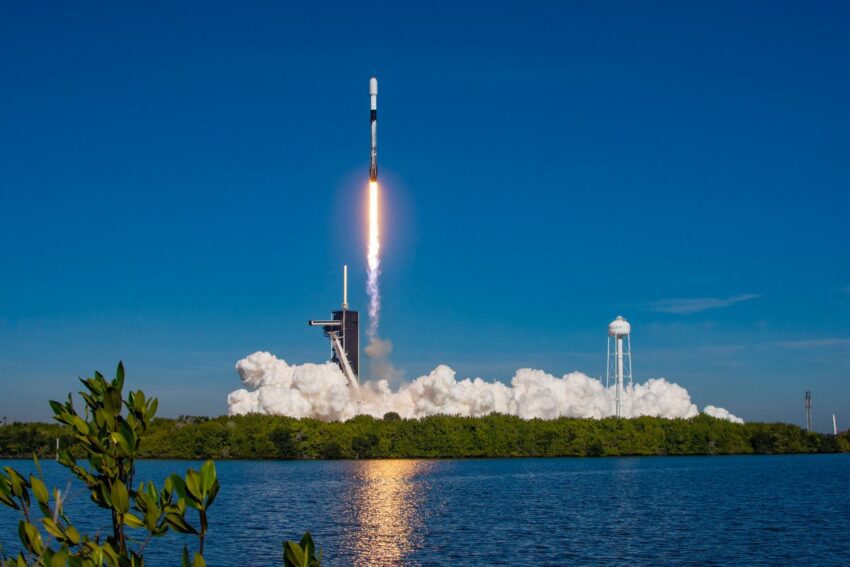
spacex gets fcc approval to launch 7 The Federal Communications Commission has given SpaceX approval to launch another 7,500 of its second generation Starlink satellites.
spacex gets fcc approval to launch 7
Overview of the FCC Approval
On January 10, 2026, the Federal Communications Commission (FCC) officially granted SpaceX the green light to deploy an additional 7,500 satellites as part of its ambitious Starlink project. This approval marks a significant milestone in SpaceX’s efforts to enhance global internet connectivity through its satellite constellation. The decision comes as part of the FCC’s ongoing support for innovative technologies that aim to bridge the digital divide, particularly in underserved and rural areas.
Details of the Approval
The FCC’s approval allows SpaceX to expand its existing Starlink satellite network, which already consists of thousands of operational satellites. The second generation of Starlink satellites is designed to offer improved performance, including faster internet speeds, lower latency, and enhanced coverage. The new satellites will operate in low Earth orbit (LEO), which is crucial for minimizing latency and providing reliable internet service.
SpaceX’s plans include deploying these satellites at altitudes ranging from 340 kilometers to 550 kilometers above the Earth. This range is strategically chosen to optimize signal quality and reduce the time it takes for data to travel between the satellites and ground stations. The FCC’s decision is based on the potential benefits these satellites will bring to consumers and businesses alike.
Implications for Global Internet Connectivity
The expansion of the Starlink satellite constellation has far-reaching implications for global internet connectivity. With the additional 7,500 satellites, SpaceX aims to provide high-speed internet access to millions of people worldwide, particularly in remote and rural areas where traditional internet infrastructure is lacking.
Bridging the Digital Divide
One of the primary goals of the Starlink project is to bridge the digital divide that exists between urban and rural populations. Many rural areas struggle with slow or unreliable internet connections, which can hinder economic development, education, and access to essential services. By deploying more satellites, SpaceX hopes to provide a viable solution to these challenges.
According to a report by the International Telecommunication Union (ITU), approximately 3.7 billion people worldwide still lack access to the internet. The expansion of Starlink could play a crucial role in reducing this number, offering affordable and reliable internet service to underserved communities. The FCC’s approval is a step toward achieving this goal, as it enables SpaceX to increase its capacity and reach.
Technological Advancements
The second generation of Starlink satellites is expected to incorporate several technological advancements that will enhance their performance. These improvements may include:
- Improved Antenna Technology: The new satellites are likely to feature advanced phased-array antennas that can dynamically adjust their beam patterns to optimize signal strength and quality.
- Increased Bandwidth: The second generation satellites are designed to support higher data throughput, allowing for faster internet speeds for users.
- Enhanced Inter-Satellite Links: Improved communication between satellites will enable more efficient data routing and reduce latency.
These advancements are essential for meeting the growing demand for high-speed internet, particularly as more people rely on online services for work, education, and entertainment.
Stakeholder Reactions
The FCC’s decision has garnered a range of reactions from various stakeholders, including industry experts, competitors, and consumer advocacy groups.
Industry Experts
Many industry experts have praised the FCC’s approval as a positive step toward expanding internet access. They argue that the deployment of additional satellites will not only benefit consumers but also stimulate competition in the telecommunications sector. By providing an alternative to traditional internet service providers, SpaceX could drive innovation and lower prices for consumers.
Competitors
However, the approval has also raised concerns among competitors in the satellite internet market. Companies like Amazon’s Project Kuiper and OneWeb are closely monitoring SpaceX’s progress, as they too aim to establish their own satellite constellations. The increased competition could lead to a race to deploy more satellites and improve services, which may ultimately benefit consumers.
Consumer Advocacy Groups
Consumer advocacy groups have expressed cautious optimism regarding the FCC’s decision. While they support efforts to expand internet access, they emphasize the importance of ensuring that the services provided are affordable and accessible to all. There are concerns that without proper regulation, the expansion of satellite internet could lead to monopolistic practices and higher prices for consumers.
Regulatory Considerations
The FCC’s approval is not without its regulatory challenges. As SpaceX moves forward with its plans, it must navigate a complex landscape of regulations and compliance requirements. The agency has established guidelines to ensure that satellite operators minimize space debris and operate their satellites responsibly.
Space Debris Concerns
One of the primary concerns associated with the rapid deployment of satellites is the issue of space debris. As more satellites are launched into orbit, the risk of collisions and the creation of space debris increases. The FCC has emphasized the importance of responsible satellite operations, including end-of-life plans for satellites to mitigate debris risks.
SpaceX has made commitments to address these concerns by implementing measures such as deorbiting satellites at the end of their operational life and actively monitoring their satellite fleet to avoid collisions. The company’s track record in this area will be closely scrutinized as it expands its constellation.
International Coordination
Another regulatory consideration is the need for international coordination among countries and organizations involved in satellite communications. As SpaceX expands its satellite network, it must work with international regulatory bodies to ensure that its operations do not interfere with other satellite systems. This coordination is essential for maintaining the integrity of global satellite communications and preventing signal interference.
Future Prospects for Starlink
Looking ahead, the future of the Starlink project appears promising. With the FCC’s approval to launch 7,500 additional satellites, SpaceX is well-positioned to solidify its role as a leader in the satellite internet market. The company plans to continue innovating and expanding its services, with a focus on delivering high-quality internet access to users around the world.
Potential for Global Expansion
As SpaceX rolls out its second generation of Starlink satellites, the company is also exploring opportunities for global expansion. This includes partnerships with governments and organizations in developing countries to provide internet access to underserved populations. By leveraging its satellite technology, SpaceX aims to create a more connected world.
Challenges Ahead
Despite the positive outlook, challenges remain. The competitive landscape in the satellite internet market is evolving rapidly, and SpaceX will need to continue innovating to stay ahead. Additionally, regulatory hurdles and public concerns about space debris will require ongoing attention and proactive measures from the company.
Conclusion
The FCC’s approval for SpaceX to launch an additional 7,500 Starlink satellites represents a significant step forward in the quest for global internet connectivity. With the potential to bridge the digital divide and provide high-speed internet access to millions, the expansion of the Starlink constellation holds promise for the future. However, as SpaceX moves forward, it must navigate regulatory challenges and address concerns related to space debris and competition in the market. The coming years will be critical in determining the success of the Starlink project and its impact on the global telecommunications landscape.
Source: Original report
Was this helpful?
Last Modified: January 11, 2026 at 2:36 pm
0 views