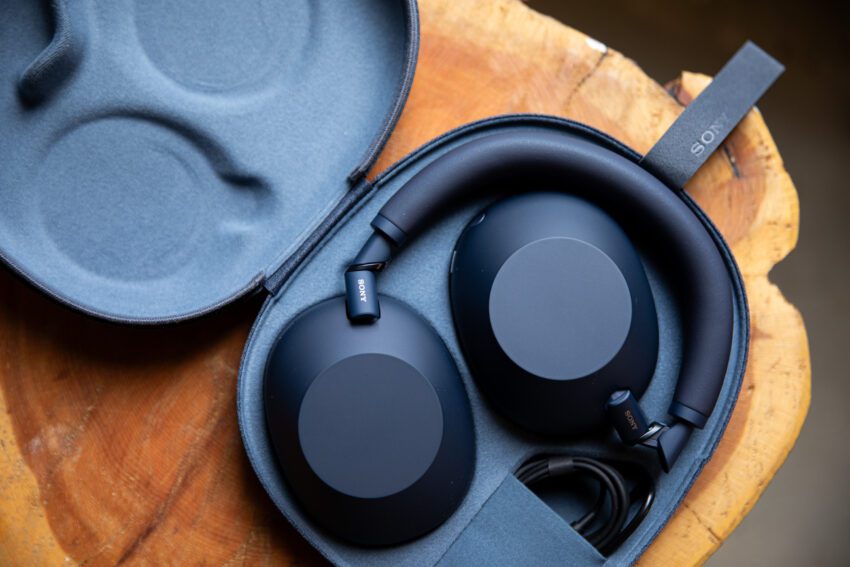
sony anker and other headphones have a A serious security vulnerability has been identified in Google’s Fast Pair technology, affecting various wireless headphones and audio devices from major manufacturers.
sony anker and other headphones have a
Overview of the Vulnerability
Recent research has unveiled significant security flaws in Google’s Fast Pair protocol, which is designed to simplify the process of connecting Bluetooth devices. This vulnerability affects a range of Bluetooth audio devices, including popular models from Sony, Anker, and Nothing. The findings were published by researchers from KU Leuven University’s Computer Security and Industrial Cryptography group in Belgium, who have collectively termed the attacks as “WhisperPair.”
Details of the Attack
The WhisperPair vulnerability allows attackers within Bluetooth range to exploit the Fast Pair protocol. This can enable unauthorized pairing with affected headphones, earbuds, and speakers. Once connected, an attacker could potentially eavesdrop on conversations or track the location of the devices using Google’s Find Hub network.
The implications of this vulnerability are particularly concerning, as it poses a risk not only to the privacy of users but also to the security of their devices. The ability to listen in on conversations or track devices could lead to further malicious activities, including identity theft or unauthorized access to personal information.
Devices Affected
Among the devices identified as vulnerable are:
- Sony WH-1000XM6
- Anker Soundcore Life Q30
- Nothing Ear (1)
These models are widely used and popular among consumers, raising concerns about the potential scale of the issue. The vulnerability affects not only Android devices but also extends to iPhone users who utilize the affected Bluetooth devices.
How the Vulnerability Works
The Fast Pair technology was designed to streamline the connection process between Bluetooth devices, making it easier for users to connect their headphones or speakers to their smartphones or tablets. However, this convenience comes at a cost, as the protocol has been found to have significant security weaknesses.
Attackers can exploit these weaknesses by sending specially crafted Bluetooth packets to the target device. If successful, the attacker can initiate a pairing process without the user’s consent. Once paired, the attacker can gain access to audio streams, allowing them to listen in on conversations or monitor the device’s location.
Potential Consequences
The consequences of this vulnerability are far-reaching. Users of affected devices may unknowingly expose themselves to privacy invasions and security risks. The ability for an attacker to listen in on conversations could have serious implications, especially in sensitive environments such as workplaces or personal settings.
Moreover, the tracking capability enabled by this vulnerability could allow malicious actors to monitor individuals’ movements, leading to potential stalking or harassment. The combination of eavesdropping and tracking creates a dangerous scenario for users of affected devices.
Industry Response
In light of these revelations, stakeholders in the technology and audio device industries are urged to take immediate action. Manufacturers of affected devices must address the vulnerabilities in their products to ensure user safety. This may involve releasing firmware updates or patches to mitigate the risks associated with the Fast Pair protocol.
Google, as the developer of the Fast Pair technology, is also expected to respond to these findings. The company may need to reassess the security measures in place for its Bluetooth protocols and implement more robust safeguards to protect users from potential threats.
Mitigation Strategies for Users
While manufacturers work to address the vulnerabilities, users can take several steps to protect themselves:
- Disable Fast Pair: Users can temporarily disable the Fast Pair feature on their devices until a fix is implemented.
- Regularly Update Firmware: Keeping devices updated with the latest firmware can help mitigate security risks, as manufacturers often release patches to address vulnerabilities.
- Monitor Bluetooth Connections: Users should be vigilant about the devices paired with their smartphones or tablets and remove any unknown or suspicious connections.
Long-term Implications for Bluetooth Security
This incident highlights a broader issue regarding the security of Bluetooth technologies. As more devices become interconnected, the potential attack surface for malicious actors increases. The WhisperPair vulnerability serves as a reminder that convenience should not come at the expense of security.
As Bluetooth technology continues to evolve, it is crucial for manufacturers and developers to prioritize security in their designs. This includes conducting thorough security audits and testing to identify potential vulnerabilities before products are released to consumers.
The Importance of User Awareness
In addition to manufacturer responsibility, user awareness plays a vital role in maintaining security. Many consumers may not be aware of the risks associated with Bluetooth connections or the specific vulnerabilities affecting their devices. Educational initiatives aimed at informing users about security best practices can help mitigate risks.
Users should be encouraged to understand the features of their devices, including how to manage Bluetooth settings and recognize suspicious activity. Awareness campaigns can empower users to take proactive measures in safeguarding their personal information and privacy.
Future Developments
As the situation develops, it will be important to monitor the responses from affected manufacturers and Google. The timeline for firmware updates and patches will be critical in determining how quickly users can regain confidence in their devices.
Additionally, researchers and security experts will likely continue to investigate the implications of the WhisperPair vulnerability and its potential impact on the broader Bluetooth ecosystem. This ongoing research will be essential in understanding the full scope of the issue and developing effective countermeasures.
Conclusion
The discovery of the WhisperPair vulnerability in Google’s Fast Pair protocol raises significant concerns for users of Bluetooth audio devices. With major brands like Sony and Anker affected, the potential for privacy invasions and security breaches is alarming. As manufacturers work to address these vulnerabilities, users must remain vigilant and proactive in protecting their devices and personal information.
Ultimately, this incident serves as a critical reminder of the importance of security in the rapidly evolving landscape of technology. As consumers increasingly rely on Bluetooth devices for everyday tasks, ensuring their safety and privacy must remain a top priority for both manufacturers and users alike.
Source: Original report
Was this helpful?
Last Modified: January 16, 2026 at 8:39 pm
0 views