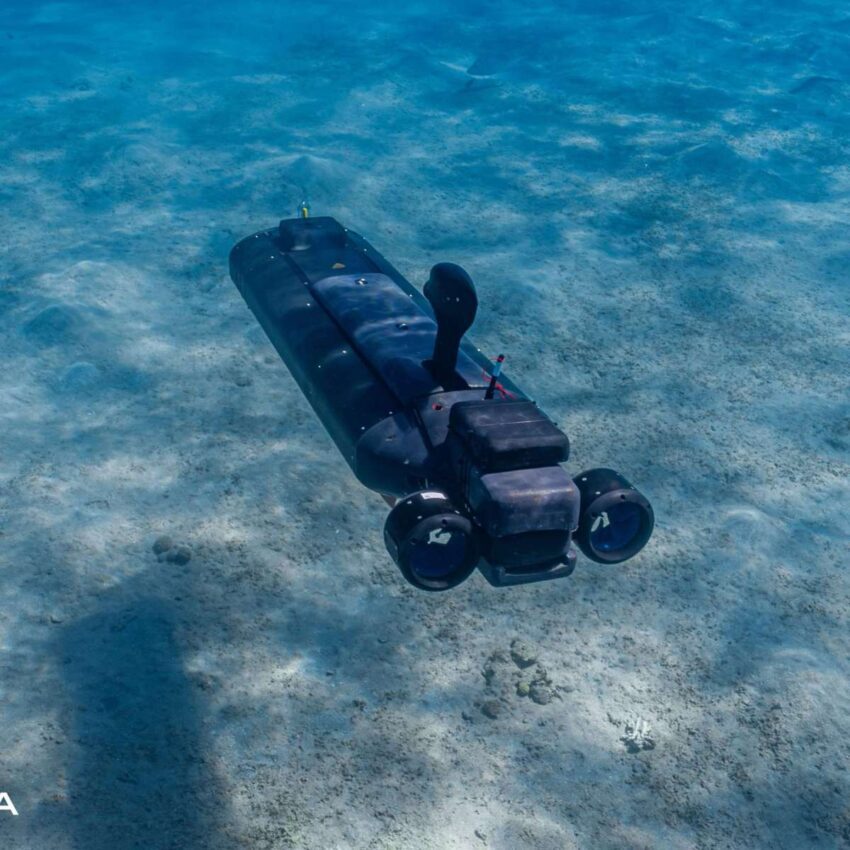
skana robotics helps fleets of underwater robots Skana Robotics has developed a groundbreaking decision-making algorithm that enhances the communication and adaptability of unmanned underwater vessels, enabling them to respond effectively to data from their peers.
skana robotics helps fleets of underwater robots
Overview of Skana Robotics
Founded in 2022, Skana Robotics has quickly emerged as a leader in the field of marine robotics. The company specializes in creating advanced technologies that facilitate the operation of unmanned underwater vehicles (UUVs). With a focus on enhancing communication and decision-making capabilities, Skana Robotics aims to revolutionize how fleets of underwater robots operate in various environments, from ocean exploration to environmental monitoring.
The Need for Enhanced Communication Among Underwater Robots
As the demand for underwater exploration and monitoring increases, so does the complexity of managing fleets of unmanned vessels. Traditional methods of operation often rely on limited communication protocols, which can hinder the effectiveness of these vehicles in dynamic environments. The ability for UUVs to communicate and collaborate is essential for tasks such as:
- Environmental monitoring
- Search and rescue operations
- Scientific research
- Military applications
In these scenarios, the ability to share real-time data and make collective decisions can significantly enhance operational efficiency and safety. Skana Robotics recognized this gap and set out to develop a solution that would allow fleets of underwater robots to communicate seamlessly with one another.
The Decision-Making Algorithm
At the heart of Skana Robotics’ innovation is a sophisticated decision-making algorithm designed to facilitate communication among unmanned vessels. This algorithm enables UUVs to:
- Share data in real-time
- Adapt to changing environmental conditions
- Make autonomous decisions based on collective input
The algorithm leverages machine learning techniques to analyze data from multiple sources, allowing each vessel to understand its surroundings better and respond accordingly. For example, if one UUV detects an obstacle or a change in water temperature, it can relay this information to other vessels in the fleet, enabling them to adjust their paths or operational parameters.
Key Features of the Algorithm
The decision-making algorithm incorporates several key features that enhance its effectiveness:
- Real-Time Data Sharing: The algorithm allows for instantaneous communication between vessels, ensuring that all units are operating with the most current information.
- Adaptive Learning: The system learns from past interactions and environmental changes, improving its decision-making capabilities over time.
- Collaborative Decision-Making: By pooling data from multiple vessels, the algorithm enables a collective approach to problem-solving, which can lead to more effective outcomes.
Applications of the Technology
The implications of Skana Robotics’ decision-making algorithm extend across various sectors. Here are some notable applications:
Environmental Monitoring
In the realm of environmental science, fleets of underwater robots can be deployed to monitor marine ecosystems. The ability to communicate and share data allows these robots to cover larger areas more efficiently, providing researchers with valuable insights into ocean health, pollution levels, and climate change impacts.
Search and Rescue Operations
During search and rescue missions, time is of the essence. A fleet of UUVs equipped with Skana Robotics’ technology can coordinate their efforts to locate missing persons or objects more effectively. By sharing information about their findings in real-time, these vessels can optimize their search patterns and increase the likelihood of a successful outcome.
Military Applications
In military contexts, the ability for unmanned vessels to communicate and collaborate can enhance operational effectiveness. Skana Robotics’ technology can be utilized for surveillance, reconnaissance, and mine detection, allowing fleets to operate in a coordinated manner while minimizing risks to human personnel.
Stakeholder Reactions
The introduction of Skana Robotics’ decision-making algorithm has garnered attention from various stakeholders, including researchers, industry experts, and potential customers. Many have expressed optimism about the potential benefits of enhanced communication among underwater robots.
Industry Experts
Industry experts have lauded the innovation as a significant step forward in marine robotics. Dr. Emily Carter, a marine technology researcher, stated, “The ability for underwater robots to communicate and adapt to their environment is crucial for advancing our understanding of marine ecosystems. Skana Robotics is paving the way for more efficient and effective research.” This sentiment reflects a broader recognition of the importance of collaboration in underwater exploration.
Potential Customers
Potential customers, including research institutions and defense organizations, have shown keen interest in adopting Skana Robotics’ technology. Many see the value in deploying fleets of UUVs that can operate autonomously while maintaining robust communication capabilities. This could lead to cost savings and improved outcomes in various missions.
Challenges and Considerations
While the decision-making algorithm presents numerous advantages, there are also challenges to consider. These include:
- Technical Limitations: Underwater communication can be hindered by factors such as water density and salinity, which may affect signal transmission.
- Security Concerns: As with any technology that relies on data sharing, there are potential security risks that must be addressed to prevent unauthorized access or interference.
- Regulatory Hurdles: The deployment of fleets of UUVs may face regulatory scrutiny, particularly in sensitive marine environments.
Addressing these challenges will be crucial for the widespread adoption of Skana Robotics’ technology. The company is actively working on solutions to mitigate these issues, ensuring that their algorithm can be effectively implemented in real-world scenarios.
The Future of Underwater Robotics
As Skana Robotics continues to refine its decision-making algorithm, the future of underwater robotics looks promising. The ability for fleets of unmanned vessels to communicate and collaborate will likely lead to advancements in various fields, including marine research, environmental protection, and national security.
Moreover, as technology continues to evolve, we can expect further innovations in the capabilities of underwater robots. This could include enhanced sensors, improved energy efficiency, and even the integration of artificial intelligence to facilitate more complex decision-making processes.
Conclusion
Skana Robotics is at the forefront of a technological revolution in underwater robotics. By developing a decision-making algorithm that enhances communication and adaptability among unmanned vessels, the company is poised to transform how fleets operate in diverse environments. As stakeholders from various sectors recognize the potential benefits of this technology, the future of underwater exploration and monitoring looks increasingly collaborative and efficient.
Source: Original report
Was this helpful?
Last Modified: December 17, 2025 at 10:43 pm
0 views