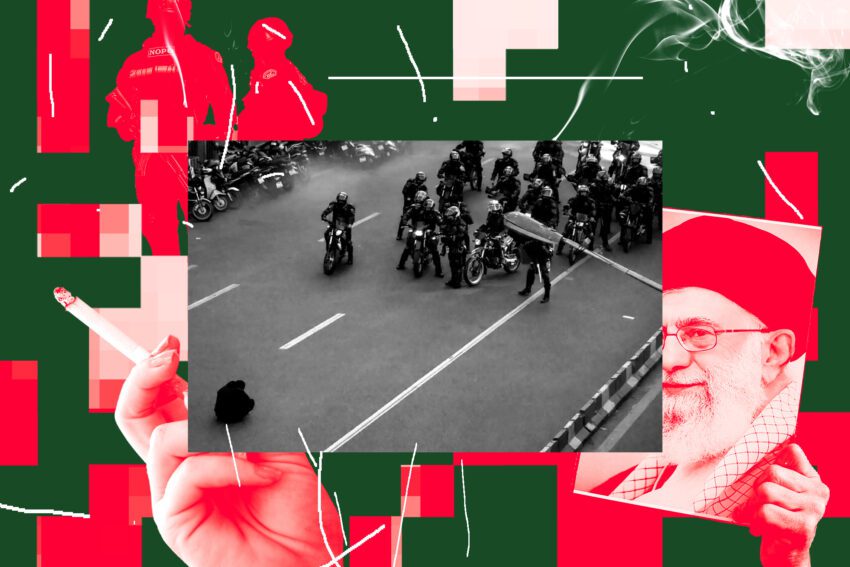
shedding light on iran s longest internet Iran has experienced its longest internet blackout in history following widespread protests that erupted in early January, a move by the regime aimed at stifling dissent and controlling the flow of information.
shedding light on iran s longest internet
Background of the Protests
The protests in Iran were ignited by a combination of factors, including economic hardship, political repression, and social injustice. Citizens took to the streets to voice their grievances against the government, demanding reforms and accountability. The protests quickly gained momentum, drawing attention not only within Iran but also from the international community. The Iranian regime, facing mounting pressure, responded with a heavy-handed approach, leading to the unprecedented decision to shut down internet access across the country.
The Internet Blackout
Beginning in early January, the Iranian government implemented a nationwide internet blackout, marking a significant escalation in its efforts to quell dissent. This blackout is notable not only for its duration but also for its implications on civil liberties and the flow of information. By cutting off internet access, the regime aimed to disrupt communication among protesters and limit the dissemination of information regarding the protests.
Impact on Communication
The internet blackout severely hampered the ability of citizens to communicate with one another and share information about the protests. Social media platforms, which had previously served as vital tools for organizing and mobilizing protests, became inaccessible. This disruption hindered the ability of activists to coordinate their efforts and share real-time updates about the situation on the ground.
Moreover, the blackout affected not only domestic communication but also the international community’s understanding of the events unfolding in Iran. Journalists and human rights organizations faced significant challenges in gathering accurate information, leading to a reliance on fragmented reports and anecdotal evidence. As a result, the global response to the protests and the government’s crackdown was often delayed and less informed.
State Violence and Human Rights Violations
Behind the scenes, the Iranian regime intensified its crackdown on dissent, employing state violence to suppress the protests. Reports indicate that the death toll from the protests has reached alarming numbers, with estimates ranging from 3,000 to 30,000 fatalities. The Iranian government has acknowledged a lower figure, but many observers believe this to be a gross underestimate of the actual toll.
The state violence has manifested in various forms, including arbitrary arrests, beatings, and even killings of protesters. Human rights organizations have condemned these actions, calling for accountability and urging the international community to take a stand against the Iranian regime’s abuses. The situation has raised concerns about the potential for further escalation and the long-term implications for human rights in Iran.
International Reactions
The international community has responded to the situation in Iran with a mix of condemnation and calls for action. Various governments and organizations have expressed their concern over the internet blackout and the human rights violations occurring in the country. The United Nations, for instance, has called for an immediate restoration of internet access and an end to the violence against protesters.
Calls for Accountability
Human rights advocates have emphasized the need for accountability for those responsible for the violence and repression. They argue that the international community must not remain silent in the face of such egregious violations of human rights. Activists have urged foreign governments to impose sanctions on Iranian officials implicated in the crackdown and to support initiatives aimed at documenting human rights abuses.
The Role of Technology Companies
The role of technology companies has also come under scrutiny during this crisis. Social media platforms and internet service providers have faced pressure to take a stand against the Iranian regime’s actions. Some companies have been criticized for their perceived complicity in enabling state censorship and surveillance. In response, there have been calls for these companies to enhance their efforts to protect user privacy and freedom of expression, particularly in repressive regimes.
Implications for the Future
The ongoing internet blackout and the violent crackdown on protests in Iran have significant implications for the future of civil society and political dissent in the country. The regime’s actions may deter some citizens from participating in protests, but they may also galvanize others to continue pushing for change. The long-term effects of this unrest will depend on various factors, including the resilience of the opposition, the international community’s response, and the regime’s ability to maintain control.
Potential for Change
While the current situation appears dire, history has shown that periods of repression can also lead to renewed calls for change. The Iranian people have demonstrated their willingness to stand up against injustice, and the current protests may serve as a catalyst for future movements. The resilience of civil society in Iran will be crucial in determining the trajectory of the country in the coming years.
Global Solidarity
The international response to the situation in Iran will play a critical role in shaping the outcome of the protests. Global solidarity with the Iranian people can amplify their voices and put pressure on the regime to change its course. As the world watches, it is essential for governments, organizations, and individuals to stand in support of the Iranian people’s right to protest and demand accountability for human rights violations.
Conclusion
The longest internet blackout in Iranian history is a stark reminder of the lengths to which the regime will go to maintain control and suppress dissent. As the situation continues to unfold, the resilience of the Iranian people and the response of the international community will be pivotal in determining the future of civil liberties and human rights in Iran. The ongoing protests reflect a deep-seated desire for change, and the world must remain vigilant in its support for those fighting for their rights.
Source: Original report
Was this helpful?
Last Modified: February 2, 2026 at 6:38 am
0 views