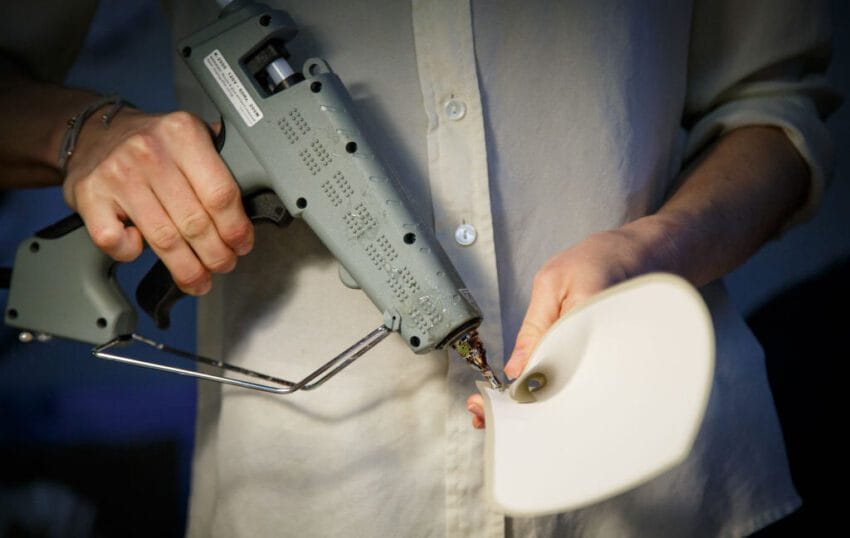
scientists want to treat complex bone fractures A collaborative effort between American and Korean scientists has led to the development of an innovative device aimed at treating complex bone fractures, which they refer to as a “bone-healing gun.”
scientists want to treat complex bone fractures
The Need for Advanced Bone Healing Solutions
Bone fractures can range from simple breaks to complex injuries that involve multiple fragments or significant loss of bone tissue. In cases of severe, irregular fractures or resections due to bone cancer treatment, the natural healing process is often insufficient. Traditional methods for stabilizing these injuries typically involve the use of metal-based grafts or implants, most commonly made from titanium alloys. While these implants serve their purpose, they come with a host of challenges.
Challenges with Traditional Implants
The primary issues associated with metal implants include:
- Manufacturing Complexity: Creating custom implants that fit the unique anatomy of each patient is a complicated and expensive process.
- Time-Consuming Production: The manufacturing process can take considerable time, which is critical in emergency situations.
- Biocompatibility Concerns: Metal implants can sometimes lead to complications, such as infections or rejection by the body.
Given these challenges, there is a pressing need for alternative solutions that can provide effective treatment while minimizing risks and costs. This is where the concept of a bone-healing gun comes into play.
Introducing the Bone-Healing Gun
Developed by a team led by Jung Seung Lee, a biomedical engineering researcher at Sungkyunkwan University in Korea, the bone-healing gun represents a significant advancement in the field of orthopedic medicine. Unlike traditional methods, this device utilizes a novel approach to create bone implants on-the-fly, potentially revolutionizing how complex fractures are treated.
How the Bone-Healing Gun Works
The bone-healing gun employs a technique that combines the principles of 3D printing with a more immediate application process. Instead of relying on pre-manufactured implants, the device is designed to produce bone scaffolds that can be applied directly to the injury site. This process involves the use of bioactive materials that promote bone regeneration.
The key advantages of this approach include:
- Rapid Production: The gun can create bone scaffolds in real-time, significantly reducing the time required for treatment.
- Cost-Effectiveness: By streamlining the manufacturing process, the device has the potential to lower costs associated with complex bone repairs.
- Customization: The ability to produce patient-specific scaffolds on-the-spot allows for a more tailored approach to treatment.
Potential Applications
The implications of the bone-healing gun extend beyond just treating fractures. Its versatility may allow it to be used in various medical scenarios, including:
- Orthopedic Surgery: The device could be beneficial in surgeries involving complex fractures or bone loss.
- Oncology: Patients undergoing resections for bone cancer might benefit from immediate reconstruction of the affected area.
- Trauma Care: In emergency situations, the ability to quickly stabilize and repair bone injuries could save lives.
Scientific Basis and Research
The development of the bone-healing gun is rooted in extensive research into biomaterials and tissue engineering. The team has focused on identifying materials that not only support the structural integrity of the bone but also encourage cellular growth and integration with the surrounding tissue. This dual functionality is critical for ensuring that the scaffolds created by the gun can effectively facilitate healing.
Jung Seung Lee and his colleagues have conducted preliminary studies to test the efficacy of the materials used in the gun. These studies have shown promising results, indicating that the bioactive materials can significantly enhance bone regeneration compared to traditional methods.
Stakeholder Reactions
The introduction of the bone-healing gun has garnered interest from various stakeholders in the medical community. Surgeons, orthopedic specialists, and healthcare administrators are particularly intrigued by the potential benefits of this technology. Many are optimistic about the prospect of reducing surgical times and improving patient outcomes.
Surgeons’ Perspectives
Surgeons who specialize in orthopedic procedures have expressed enthusiasm about the possibilities offered by the bone-healing gun. The ability to create customized implants on-the-spot could lead to more efficient surgeries and better alignment with patient anatomy. Dr. Emily Chen, an orthopedic surgeon based in the United States, stated, “This technology could change the way we approach complex fractures. The ability to provide immediate, tailored solutions is invaluable.”
Healthcare Administrators’ Views
Healthcare administrators are also taking note of the potential cost savings associated with the bone-healing gun. By reducing the need for expensive pre-manufactured implants and minimizing surgical time, hospitals could see a significant decrease in operational costs. “If this technology can deliver on its promises, it could be a game-changer for healthcare systems struggling with rising costs,” noted Mark Thompson, a healthcare policy analyst.
Future Implications and Research Directions
While the bone-healing gun is still in the developmental stage, its potential implications for the future of orthopedic medicine are substantial. Researchers are currently exploring various avenues to enhance the technology further, including:
- Material Innovation: Ongoing research into new bioactive materials that can improve healing rates and reduce complications.
- Clinical Trials: Plans for clinical trials to assess the safety and efficacy of the bone-healing gun in real-world settings.
- Integration with Other Technologies: Exploring how the gun can be integrated with imaging technologies for better precision during application.
Ethical Considerations
As with any emerging technology, the introduction of the bone-healing gun raises ethical considerations that must be addressed. Questions regarding patient consent, the long-term effects of using bioactive materials, and the implications of rapid production methods are all areas that require careful examination. Ensuring that patients are fully informed about the risks and benefits of this new technology will be crucial as it moves toward clinical use.
Conclusion
The development of the bone-healing gun marks a significant step forward in the treatment of complex bone fractures. By leveraging innovative materials and real-time production capabilities, this device has the potential to transform orthopedic care, offering faster, more effective, and personalized treatment options. As research progresses and clinical trials begin, the medical community will be watching closely to see how this technology evolves and its impact on patient outcomes.
Source: Original report
Was this helpful?
Last Modified: September 26, 2025 at 10:37 pm
7 views