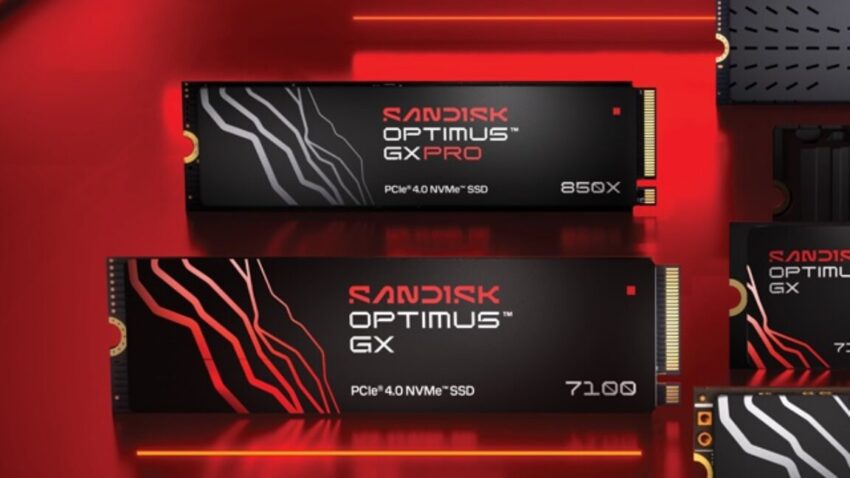
sandisk says goodbye to wd blue and Western Digital’s recent restructuring has led to significant changes in its product lineup, particularly affecting its consumer solid-state drives.
sandisk says goodbye to wd blue and
Background on Western Digital’s Split
In late 2023, Western Digital, a major player in the data storage industry, announced a strategic decision to split itself into two distinct entities. This move was largely driven by the evolving landscape of data storage technology and market demands. One of the new companies will retain the name Western Digital and will focus primarily on traditional spinning hard drives. Although these drives are becoming less common in consumer systems, they continue to play a crucial role in network-attached storage (NAS) devices and data centers, where large amounts of data storage at a lower cost per gigabyte are essential.
The second entity, which will operate under the SanDisk brand, is set to specialize in solid-state storage solutions. This includes a range of products previously marketed under Western Digital’s Blue, Black, Green, and Red brands. The split effectively reverses Western Digital’s acquisition of SanDisk for $19 billion a decade ago, a move that was intended to bolster its position in the solid-state drive (SSD) market.
Implications of the Split
The ramifications of this split are significant for both companies and their consumers. For Western Digital, focusing on spinning hard drives allows it to concentrate on a niche market that still has substantial demand, particularly in enterprise environments. Meanwhile, SanDisk’s renewed focus on SSDs aligns with the growing trend towards faster, more efficient storage solutions that are increasingly favored by consumers and businesses alike.
As the market shifts towards solid-state technology, the decision to discontinue the WD Blue and WD Black SSDs signals a strategic pivot for SanDisk. The company aims to streamline its offerings and enhance its brand identity in the SSD market. The transition to SanDisk Optimus-branded drives is not merely a rebranding effort; it reflects a broader strategy to innovate and improve upon existing technologies.
Details on the New Optimus Drives
SanDisk’s announcement regarding the discontinuation of the WD Blue and WD Black SSDs comes with the introduction of the new Optimus-branded drives. These drives will carry the same model numbers as their predecessors, which may ease the transition for consumers who are already familiar with the WD branding. However, the Optimus drives are expected to feature enhancements that improve performance, reliability, and overall user experience.
Performance Enhancements
The new Optimus drives are anticipated to incorporate advanced technologies that could lead to faster read and write speeds, improved endurance, and better thermal management. These enhancements are crucial as consumers increasingly demand higher performance from their storage solutions, particularly for tasks such as gaming, video editing, and data-intensive applications.
Reliability and Endurance
Reliability is a key factor for consumers when choosing storage solutions. The Optimus drives are expected to undergo rigorous testing to ensure they meet high standards for durability and longevity. With the increasing reliance on SSDs for critical data storage, consumers will likely appreciate the emphasis on quality and reliability in the new product line.
Thermal Management
Effective thermal management is essential for maintaining performance and longevity in SSDs. The Optimus drives are likely to feature improved heat dissipation technologies, which can help prevent throttling during intensive tasks. This is particularly important for users who push their drives to the limits, such as gamers and content creators.
Market Reactions and Stakeholder Perspectives
The announcement has elicited a range of reactions from industry stakeholders, including consumers, retailers, and competitors. Many consumers have expressed curiosity about the new Optimus drives, eager to see how they compare to the well-established WD Blue and Black SSDs. The familiarity of the model numbers may help ease concerns about the transition, but consumers will ultimately be looking for tangible improvements in performance and reliability.
Retailers are also closely monitoring the situation, as the SSD market continues to grow. The discontinuation of the WD Blue and Black lines may create opportunities for retailers to promote the new Optimus drives, particularly if they can highlight the performance enhancements and reliability improvements. However, retailers may also face challenges in managing inventory and educating consumers about the changes.
Competitors in the SSD market are likely to view SanDisk’s rebranding and product enhancements as a significant development. As the SSD market becomes increasingly competitive, companies will need to differentiate their offerings to attract consumers. The introduction of the Optimus drives could prompt competitors to accelerate their own innovation efforts in response.
Future of Solid-State Storage
The shift towards solid-state storage is a reflection of broader trends in technology and consumer preferences. As applications become more demanding and data storage needs continue to grow, the advantages of SSDs—such as speed, durability, and energy efficiency—make them an attractive choice for a wide range of users.
SanDisk’s focus on solid-state storage aligns with these trends, positioning the company to capitalize on the growing demand for high-performance storage solutions. The introduction of the Optimus drives is just one step in a larger strategy to innovate and lead in the SSD market.
Consumer Education
As SanDisk transitions to the Optimus brand, consumer education will be crucial. Many consumers may not be aware of the differences between the old WD Blue and Black SSDs and the new Optimus drives. SanDisk will need to invest in marketing and educational initiatives to inform consumers about the benefits of the new product line and how it fits into their storage needs.
Long-Term Strategy
Looking ahead, SanDisk’s long-term strategy will likely involve continuous innovation and adaptation to changing market conditions. The company will need to stay ahead of technological advancements and consumer preferences to maintain its competitive edge. This may involve exploring new technologies such as 3D NAND, NVMe, and other emerging storage solutions that could redefine the landscape of solid-state storage.
Conclusion
The discontinuation of the WD Blue and Black SSDs and the introduction of the SanDisk Optimus drives mark a significant turning point for both Western Digital and SanDisk. As the market for solid-state storage continues to evolve, the focus on performance, reliability, and consumer education will be essential for success. The transition represents not only a rebranding effort but also a commitment to innovation and quality in the rapidly changing world of data storage.
Source: Original report
Was this helpful?
Last Modified: January 6, 2026 at 1:44 pm
6 views