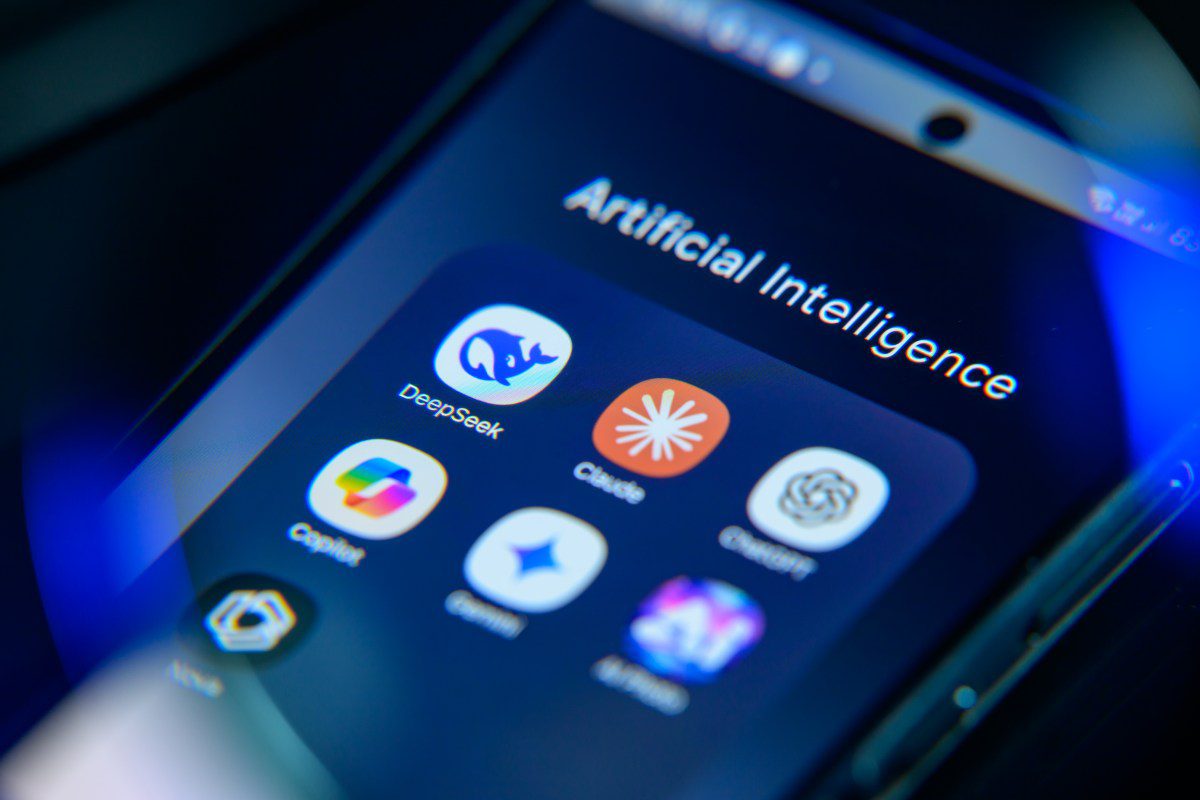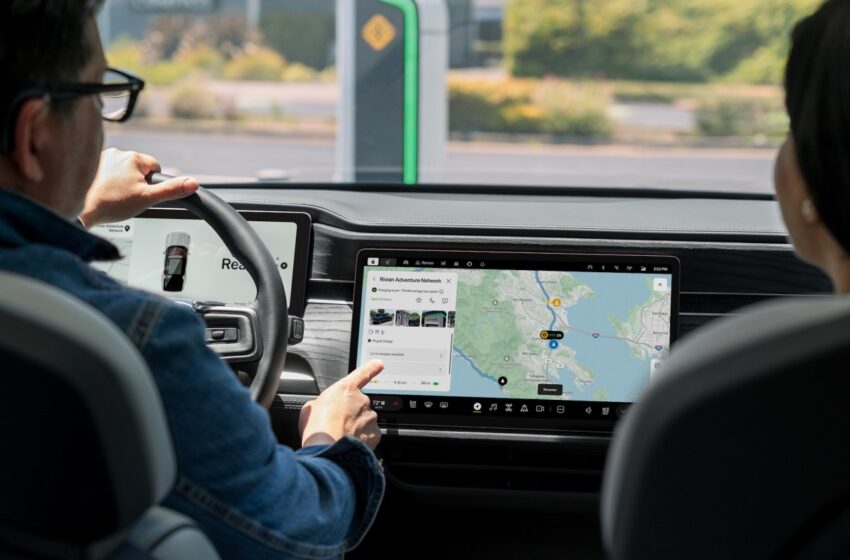
rivian is building its own ai assistant Rivian, the electric vehicle manufacturer, is set to unveil its own AI assistant, a significant move that could reshape the user experience in its vehicles.
rivian is building its own ai assistant
Overview of Rivian’s AI Initiative
Rivian has been making headlines in the automotive industry since its inception, particularly for its innovative electric trucks and SUVs. The company is now venturing into artificial intelligence, aiming to enhance the driving experience for its customers. This development comes as part of a broader trend in the automotive sector, where manufacturers are increasingly integrating AI technologies to improve vehicle functionality and user interaction.
The announcement regarding the AI assistant is expected to be detailed further during Rivian’s upcoming AI & Autonomy Day, scheduled for December 11. This event is anticipated to provide insights into the company’s vision for AI integration and how it plans to leverage this technology to differentiate itself in the competitive EV market.
Context: The Rise of AI in the Automotive Industry
Artificial intelligence has become a cornerstone of modern automotive technology. Companies like Tesla, Ford, and General Motors have already begun implementing AI-driven features in their vehicles, ranging from advanced driver-assistance systems (ADAS) to fully autonomous driving capabilities. Rivian’s decision to develop its own AI assistant reflects a growing recognition of the importance of AI in enhancing vehicle performance and user engagement.
By creating an AI assistant, Rivian aims to provide a more personalized experience for its users. This could include features such as voice-activated controls, predictive maintenance alerts, and tailored driving suggestions based on user preferences and driving habits. The integration of AI could also lead to improved safety features, as the assistant may be able to analyze real-time data to help drivers make informed decisions.
Potential Features of Rivian’s AI Assistant
While specific details about Rivian’s AI assistant have yet to be disclosed, several potential features can be anticipated based on industry trends and consumer expectations:
- Voice Recognition: The AI assistant may allow drivers to control various vehicle functions using voice commands, reducing the need for manual adjustments and enhancing safety.
- Smart Navigation: By integrating AI with navigation systems, the assistant could provide real-time traffic updates, suggest alternative routes, and even learn the driver’s preferred routes over time.
- Personalized Recommendations: The AI could analyze driving patterns and preferences to offer tailored suggestions for routes, charging stations, and even nearby attractions.
- Predictive Maintenance: The assistant may monitor vehicle performance and alert drivers to potential issues before they become serious, thus enhancing overall vehicle reliability.
- Enhanced Safety Features: By analyzing data from various sensors, the AI could assist in collision avoidance and other safety measures, making driving safer for all occupants.
Implications for Rivian and the EV Market
The introduction of an AI assistant could have significant implications for Rivian as it seeks to establish itself as a leader in the electric vehicle market. By enhancing the user experience, Rivian can differentiate itself from competitors and potentially attract a broader customer base. The integration of AI could also lead to increased customer loyalty, as users may be more inclined to stick with a brand that offers advanced technology and personalized features.
Furthermore, the development of an AI assistant aligns with Rivian’s commitment to sustainability and innovation. As consumers become more environmentally conscious, the demand for electric vehicles is expected to rise. By incorporating cutting-edge technology, Rivian can position itself as a forward-thinking company that is not only focused on producing electric vehicles but also on enhancing the overall driving experience.
Stakeholder Reactions
The announcement of Rivian’s AI assistant has garnered attention from various stakeholders, including industry analysts, investors, and consumers. Many analysts view this move as a positive step for Rivian, as it demonstrates the company’s commitment to innovation and its understanding of consumer needs. Investors are likely to be encouraged by the potential for increased market share and revenue growth as Rivian continues to develop its technology.
Consumers, particularly tech-savvy individuals, may also respond positively to the news. As the automotive industry becomes increasingly digital, many drivers are looking for vehicles that offer advanced technology and connectivity. An AI assistant could meet these expectations and enhance the overall driving experience, making Rivian’s vehicles more appealing to a broader audience.
Challenges Ahead
Despite the potential benefits of developing an AI assistant, Rivian will face several challenges as it moves forward with this initiative. One of the primary concerns is the need for robust data privacy measures. As vehicles become more connected and data-driven, consumers are increasingly concerned about how their information is collected, stored, and used. Rivian will need to ensure that its AI assistant adheres to strict data privacy regulations and builds trust with its users.
Additionally, the development of AI technology requires significant investment in research and development. Rivian will need to allocate resources to ensure that its AI assistant is not only functional but also competitive with offerings from other manufacturers. This may involve partnerships with technology companies or hiring specialized talent to drive innovation.
Future Prospects
Looking ahead, Rivian’s AI assistant could pave the way for further advancements in automotive technology. As the company continues to innovate, it may explore additional applications for AI beyond the initial features of the assistant. For example, Rivian could investigate the integration of AI into autonomous driving systems, enhancing the safety and efficiency of its vehicles.
Moreover, as AI technology evolves, Rivian may have the opportunity to expand its offerings to include more sophisticated features, such as fully autonomous driving capabilities. This could position the company as a leader in the next generation of electric vehicles, appealing to consumers who prioritize cutting-edge technology and sustainability.
Conclusion
Rivian’s decision to develop its own AI assistant marks a significant step in the company’s evolution and its commitment to enhancing the user experience. As the automotive industry continues to embrace AI technology, Rivian’s initiative could set the stage for a new era of innovation in electric vehicles. With the upcoming AI & Autonomy Day on December 11, stakeholders will be eagerly awaiting more details about this exciting development and its potential impact on the market.
Source: Original report
Was this helpful?
Last Modified: December 10, 2025 at 5:41 am
3 views