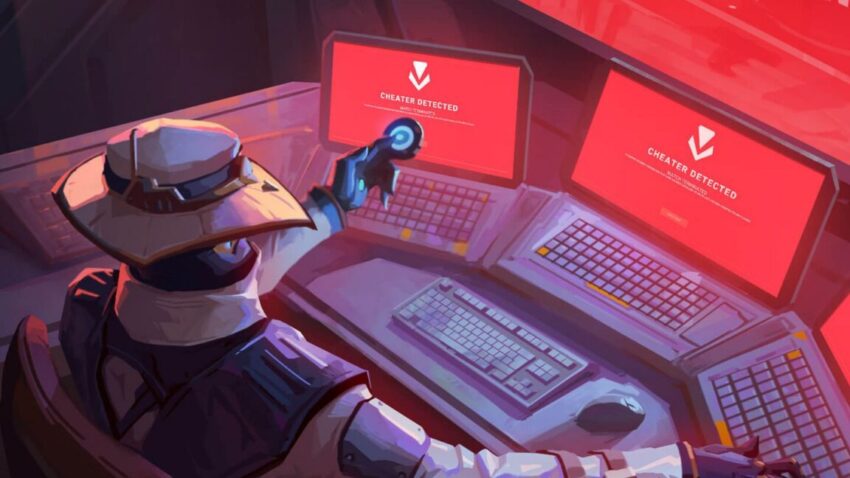
riot games is making an anti-cheat change Riot Games is implementing a new BIOS update requirement for certain players of its popular titles, including Valorant, to enhance its anti-cheat measures.
riot games is making an anti-cheat change
Understanding Kernel-Level Anti-Cheat Software
In the realm of competitive online multiplayer gaming, the integrity of gameplay is paramount. To combat cheating, most PC games have adopted some form of kernel-level anti-cheat software. This type of software operates with elevated privileges compared to typical applications, allowing it to load earlier in the system boot process. By doing so, it can effectively monitor and detect sophisticated cheating methods that might otherwise go unnoticed.
Kernel-level anti-cheat solutions have evolved significantly over the years. They now require various Windows security features to function optimally. Among these requirements are Secure Boot, a Trusted Platform Module (TPM) 2.0, and virtualization-based memory integrity protection. These features work together to create a more secure environment for gaming, making it increasingly difficult for cheaters to manipulate the system.
Riot Games’ Vanguard Anti-Cheat Software
Riot Games, the developer behind popular titles such as Valorant and League of Legends, has been at the forefront of implementing stringent anti-cheat measures. Their Vanguard anti-cheat software is designed to provide a robust defense against cheating by utilizing kernel-level access to monitor system behavior. This proactive approach has made Riot a leader in the fight against cheating in online gaming.
However, the implementation of such advanced security measures comes with its own set of challenges. Players must ensure their systems meet specific requirements to access Riot’s games online. This includes a comprehensive list of checks that players’ systems must pass before they can engage in competitive play.
New BIOS Update Requirement
Recently, Riot Games announced a new requirement that could impact a segment of its player base: a BIOS update. This requirement arises from the discovery of a bug related to the Unified Extensible Firmware Interface (UEFI) that could potentially allow determined cheaters to bypass certain memory protections.
The bug specifically affects the Input-Output Memory Management Unit (IOMMU) present on some UEFI-based motherboards from various vendors. The IOMMU plays a critical role in protecting system memory from unauthorized access during the boot process by external hardware devices. Without this protection, there is a risk that cheaters could manipulate the contents of a player’s memory, thereby gaining an unfair advantage in gameplay.
Implications for Players
The introduction of a BIOS update requirement raises several implications for players, particularly those using older hardware. Many gamers may not be aware of the necessity of keeping their BIOS updated, and this requirement could pose a barrier to entry for some. Players with older PCs may find themselves unable to meet the new requirements, leading to frustration and potential loss of access to their favorite games.
Moreover, the need for a BIOS update may not be straightforward for all players. Updating a BIOS can be a technical process that varies significantly between different motherboard manufacturers. Players who are not tech-savvy may feel intimidated by the prospect of performing such an update, which could deter them from continuing to play Riot’s games.
Stakeholder Reactions
The announcement of the BIOS update requirement has elicited a range of reactions from the gaming community and industry stakeholders. Some players have expressed understanding of the need for enhanced security measures, recognizing that cheating undermines the integrity of competitive gaming. Others, however, have voiced concerns about the accessibility of these requirements, particularly for those with older systems.
Community forums and social media platforms have seen discussions around the potential impact of this change. Some players have shared their experiences with BIOS updates, offering advice and guidance to those who may be uncertain about the process. This community support can be invaluable in helping players navigate the technical challenges posed by the new requirement.
Industry Perspective
From an industry perspective, the move by Riot Games to enforce a BIOS update requirement reflects a broader trend in the gaming world. As online multiplayer games become increasingly competitive, developers are prioritizing security measures to protect the integrity of their games. This trend is likely to continue as technology evolves and new cheating methods emerge.
Other game developers may take note of Riot’s approach and consider implementing similar requirements in their own titles. This could lead to a shift in how anti-cheat measures are enforced across the industry, with an emphasis on ensuring that players’ systems are equipped to handle the latest security protocols.
Technical Considerations
For players affected by the BIOS update requirement, it is essential to understand the technical aspects involved. The IOMMU is a critical component of modern computer architecture, and its proper functioning is vital for maintaining system security. Players should familiarize themselves with their motherboard’s specifications and the steps necessary to perform a BIOS update.
Typically, the process involves downloading the latest BIOS version from the motherboard manufacturer’s website, creating a bootable USB drive, and following specific instructions to install the update. While this process may seem daunting, many manufacturers provide detailed guides to assist users. Additionally, some gaming communities have compiled resources to help players through the update process.
Future Implications for Gaming
The introduction of a BIOS update requirement by Riot Games may set a precedent for future gaming security measures. As developers continue to combat cheating, players can expect to see more stringent requirements aimed at ensuring fair play. This could include additional hardware and software checks, as well as ongoing updates to existing anti-cheat systems.
Ultimately, the success of these measures will depend on the cooperation of players and their willingness to adapt to new requirements. As the gaming landscape evolves, maintaining a balance between security and accessibility will be crucial for developers. Ensuring that players can easily navigate the technical aspects of gaming while also protecting the integrity of competitive play will be a challenge that the industry must address.
Conclusion
Riot Games’ decision to implement a BIOS update requirement for certain players marks a significant step in the ongoing battle against cheating in online multiplayer gaming. While the move is aimed at enhancing security and protecting the integrity of gameplay, it also raises important questions about accessibility for players with older systems. As the gaming community navigates these changes, the importance of technical knowledge and community support will become increasingly evident.
As the industry continues to evolve, players can expect to see more developments in anti-cheat measures and security protocols. The challenge for developers will be to strike a balance that ensures fair play while also accommodating the diverse range of players in the gaming community.
Source: Original report
Was this helpful?
Last Modified: December 20, 2025 at 11:40 am
1 views