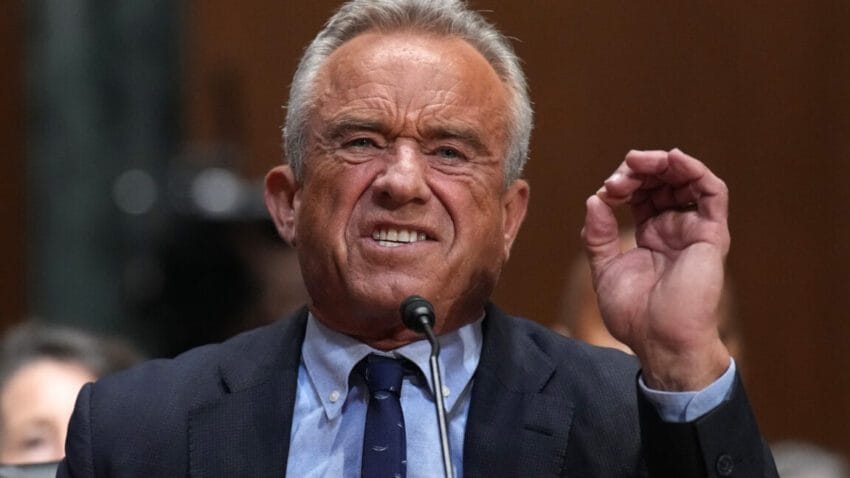
rfk jr says covid shots still available Robert F. Kennedy Jr., the U.S. health secretary and prominent anti-vaccine activist, faced intense scrutiny during a Senate Finance Committee hearing, where he addressed significant issues regarding COVID-19 vaccine access amid ongoing turmoil at the Centers for Disease Control and Prevention (CDC).
rfk jr says covid shots still available
Senate Hearing Overview
The Senate Finance Committee convened on Thursday for a three-hour hearing that became increasingly combative as Kennedy defended his controversial actions regarding the CDC. This included his dramatic decision to fire the CDC director just a week prior, a move that has raised eyebrows given that he had previously supported her confirmation. During the hearing, Kennedy labeled the former director a liar, claiming she had confessed to him that she could not be trusted. Such accusations have further fueled the ongoing chaos surrounding the CDC, an agency already facing significant challenges in public perception and operational integrity.
Background on CDC Turmoil
The CDC has been under scrutiny for its handling of the COVID-19 pandemic and vaccine distribution. The agency has faced criticism from various stakeholders, including healthcare professionals and the general public, regarding its messaging and operational effectiveness. The situation escalated recently when a gunman, influenced by vaccine misinformation, opened fire on the CDC campus, resulting in the tragic death of a local police officer. This incident has prompted calls from within the agency for Kennedy to moderate his rhetoric, particularly given the potential for real-world violence stemming from anti-vaccine sentiments.
Kennedy’s Anti-Vaccine Rhetoric
Throughout the hearing, Kennedy reiterated his long-standing anti-vaccine positions, which have drawn criticism from a wide array of medical and public health experts. He claimed that the overwhelming majority of professionals who support vaccines do so because they are financially incentivized by the pharmaceutical industry. This assertion reflects a broader narrative often propagated by anti-vaccine advocates, suggesting that financial motives undermine the integrity of public health recommendations.
Claims of Vaccine Access Restrictions
One of the most contentious points raised during the hearing was Kennedy’s assertion that his actions as health secretary have not restricted access to COVID-19 vaccines. This claim stands in stark contrast to reports indicating that individuals, including vulnerable populations such as cancer patients, are currently being denied access to vaccines in multiple states. These restrictions have raised serious ethical concerns, particularly as the nation continues to grapple with the effects of the pandemic.
Implications for Public Health
The implications of Kennedy’s statements and actions are significant, particularly in the context of public health. The ongoing chaos at the CDC and the rhetoric surrounding vaccine access could have far-reaching consequences for vaccination rates and public trust in health authorities. As misinformation continues to proliferate, the challenge for public health officials becomes increasingly complex.
Stakeholder Reactions
Reactions to Kennedy’s testimony have been mixed. Supporters of his anti-vaccine stance applaud his willingness to challenge the status quo, viewing him as a champion for personal freedom and informed consent. Conversely, public health advocates and medical professionals express deep concern over the potential ramifications of his rhetoric, particularly as it relates to vaccine hesitancy and misinformation. The CDC’s credibility is already fragile, and Kennedy’s comments may exacerbate existing divisions within the public regarding vaccine acceptance.
Current State of COVID-19 Vaccines
As of now, COVID-19 vaccines remain available to the general public, but access is increasingly complicated by the restrictions imposed by Kennedy’s administration. Reports indicate that certain demographics, particularly those with underlying health conditions, are facing barriers to obtaining vaccines. This situation raises ethical questions about equitable access to healthcare, especially for those who are most vulnerable.
Challenges in Vaccine Distribution
The distribution of COVID-19 vaccines has been a contentious issue since the onset of the pandemic. Various factors contribute to the challenges faced by health officials, including supply chain issues, public hesitancy, and misinformation. The CDC has historically played a crucial role in coordinating vaccine distribution, but the recent turmoil has hindered its ability to function effectively. Stakeholders are concerned that continued chaos could lead to further delays in vaccine rollout and increased public health risks.
Future Considerations
Looking ahead, the future of COVID-19 vaccination efforts may hinge on the ability of public health officials to regain trust and effectively communicate the importance of vaccination. The Senate hearing highlighted the urgent need for a cohesive strategy to address misinformation and restore public confidence in health authorities. As the nation continues to navigate the complexities of the pandemic, the role of leadership in public health will be more critical than ever.
Potential Policy Changes
In light of the current challenges, policymakers may need to consider implementing changes to vaccine distribution protocols to ensure equitable access for all individuals. This could involve revisiting the restrictions currently in place and exploring alternative strategies to facilitate vaccine access for vulnerable populations. Additionally, enhancing public education campaigns to counter misinformation could play a vital role in improving vaccination rates.
Conclusion
The recent Senate hearing featuring Robert F. Kennedy Jr. underscores the ongoing challenges facing public health officials in the United States. As the nation grapples with the implications of his anti-vaccine rhetoric and the turmoil at the CDC, the need for a unified approach to vaccine distribution and public health messaging has never been more urgent. The stakes are high, and the decisions made in the coming months will have lasting impacts on public health and safety.
Source: Original report
Was this helpful?
Last Modified: September 8, 2025 at 6:31 pm
4 views