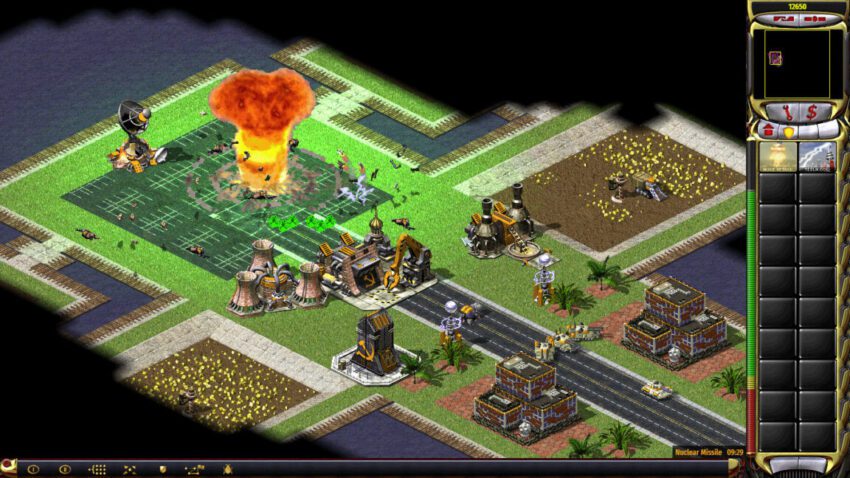
return to the year 2000 with classic Classic multiplayer DOS games have found a new lease on life, allowing gamers to relive the nostalgia of the late 1990s and early 2000s directly in their web browsers.
return to the year 2000 with classic
The Resurgence of Classic Multiplayer Gaming
In recent weeks, a wave of innovative browser-based platforms has emerged, enabling players to engage with classic MS-DOS and Windows games across various hardware configurations. This revival is particularly significant for those who fondly remember the peak of multiplayer gaming during the late 1990s and early 2000s, an era characterized by the rise of real-time strategy games and boomer shooters.
Memories of LAN Parties and Online Gaming
For many gamers, the late ’90s and early 2000s were formative years filled with intense gaming sessions. LAN parties were a staple of this era, where friends gathered to compete in games like “Quake,” “StarCraft,” and “Counter-Strike.” The camaraderie and competition fostered during these gatherings created lasting memories and friendships.
Online gaming also began to flourish during this period, with titles such as “Unreal Tournament” and “Diablo II” paving the way for a more connected gaming experience. The thrill of battling against friends or strangers from around the world was exhilarating. However, as technology evolved, many of these classic games became increasingly difficult to run on modern systems, leading to a decline in their popularity.
Challenges of Modern Gaming
While nostalgia for these classic games remains strong, the transition to modern operating systems has not been seamless. Many players who once enjoyed these games on Windows have since switched to macOS or Linux, complicating their ability to access beloved titles. Additionally, even for those still on Windows, getting older games to run often involves navigating a maze of compatibility issues and network configurations.
Technical Hurdles
Setting up classic games can be a daunting task. Players frequently encounter issues such as:
- Compatibility Problems: Many older games were designed for specific versions of Windows and may not function correctly on newer systems.
- Network Configuration: Establishing a connection for multiplayer gaming often requires port forwarding and other network adjustments that can be confusing for less tech-savvy individuals.
- Hardware Limitations: Some classic games may not run well on modern hardware, leading to performance issues or crashes.
These challenges can deter players from revisiting their favorite titles, leaving them to reminisce about the past without the ability to engage in the same thrilling experiences.
Browser-Based Solutions
Fortunately, recent advancements in web technology have paved the way for browser-based solutions that simplify access to classic games. These platforms leverage emulation and cloud gaming technologies, allowing players to enjoy their favorite titles without the need for extensive setup or configuration.
How Browser Emulation Works
Browser emulation involves running a game within a web browser using JavaScript and WebAssembly. This approach allows classic games to be executed in a virtual environment that mimics the original hardware and software conditions. As a result, players can enjoy a seamless gaming experience without the need for additional downloads or installations.
Some of the key benefits of browser-based gaming include:
- Accessibility: Players can access games from any device with a web browser, including smartphones, tablets, and laptops.
- No Installation Required: There’s no need to download or install software, making it easy for players to jump into a game quickly.
- Cross-Platform Play: Players on different operating systems can compete against each other, breaking down barriers that previously existed.
Popular Titles Making a Comeback
Several classic multiplayer DOS games have been successfully adapted for browser play, allowing a new generation of gamers to experience them. Some notable titles include:
- Starsiege Tribes: A team-based multiplayer shooter that emphasizes strategy and teamwork. Players can join Discord servers to coordinate matches and relive the excitement of this classic title.
- Doom: The iconic first-person shooter that set the standard for the genre. Various browser-based versions allow players to engage in deathmatches against friends.
- Warcraft II: A classic real-time strategy game that has seen a resurgence in popularity. Players can now engage in epic battles without the hassle of installation.
Community Engagement
The revival of these classic games has also fostered a sense of community among players. Online forums, Discord servers, and social media groups have sprung up, allowing fans to connect, share tips, and organize matches. This communal aspect not only enhances the gaming experience but also helps to keep the spirit of these classic titles alive.
The Future of Browser-Based Gaming
As technology continues to advance, the potential for browser-based gaming is vast. Developers are increasingly recognizing the demand for classic titles, and many are working to bring more games to the browser. This trend could lead to a renaissance of retro gaming, where players can easily access and enjoy a wide array of titles from the past.
Implications for the Gaming Industry
The rise of browser-based gaming could have significant implications for the gaming industry as a whole. Some potential outcomes include:
- Increased Accessibility: By removing barriers to entry, more players may be encouraged to explore classic titles, leading to a broader audience for retro games.
- Revitalization of Old Franchises: Successful browser adaptations may prompt developers to revisit and remaster classic games for modern audiences.
- New Business Models: The success of browser-based gaming could inspire new monetization strategies, such as subscription services or ad-supported models.
Conclusion
The ability to play classic multiplayer DOS games in a web browser represents a significant development in the gaming landscape. As technology continues to evolve, the resurgence of these beloved titles offers a unique opportunity for both nostalgia and community engagement. Whether through organized matches on Discord or casual play with friends, players can once again experience the thrill of classic gaming without the technical hurdles that once stood in their way.
As we look to the future, the potential for browser-based gaming is promising. With more developers recognizing the value of classic titles, we may soon see an even wider array of games available for play in our browsers, allowing us to relive the excitement of the past while forging new memories in the present.
Source: Original report
Was this helpful?
Last Modified: November 22, 2025 at 4:37 am
8 views