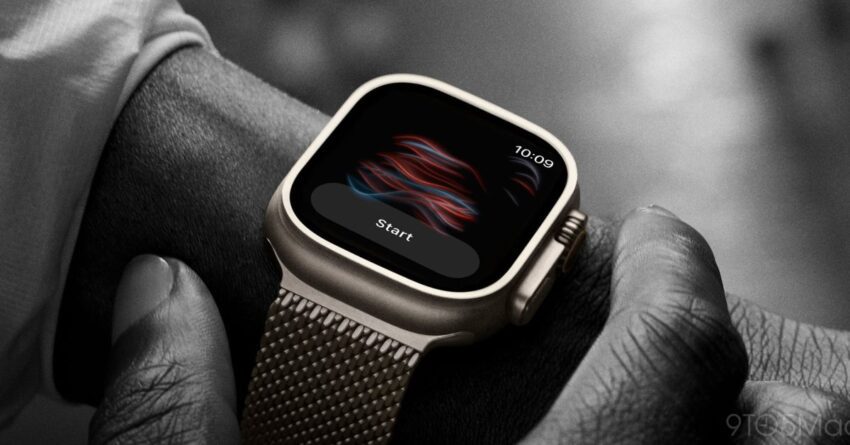
researchers used 3 million days of apple Researchers from MIT and Empirical Health have utilized an extensive dataset comprising 3 million person-days of Apple Watch data to create a groundbreaking foundation model capable of predicting various medical conditions with remarkable accuracy.
researchers used 3 million days of apple
Overview of the Study
This innovative research aims to leverage the vast amounts of health data collected by wearable devices, particularly the Apple Watch, to enhance disease detection methods. The study’s findings are significant, as they represent a step forward in the integration of technology and healthcare, potentially transforming how medical conditions are diagnosed and managed.
Data Collection and Methodology
The researchers accessed a substantial dataset from Apple Watch users, which included a variety of health metrics such as heart rate, activity levels, sleep patterns, and other physiological indicators. This data was collected over a significant period, amounting to 3 million person-days, providing a robust foundation for analysis.
To develop the predictive model, the research team employed advanced machine learning techniques. These methods allow the model to learn from the data, identifying patterns and correlations that may not be immediately apparent to human analysts. The model was trained to recognize signs of various medical conditions, including but not limited to cardiovascular diseases, diabetes, and respiratory issues.
Model Performance
The results of the study indicated that the foundation model achieved impressive accuracy rates in predicting medical conditions. This level of precision is particularly noteworthy given the complexity of human health and the multitude of factors that can influence medical outcomes.
According to the researchers, the model’s ability to analyze real-time data from wearable devices provides a significant advantage over traditional diagnostic methods. By continuously monitoring health metrics, the model can detect anomalies and alert users or healthcare providers to potential health issues before they escalate.
Implications for Healthcare
The implications of this research are profound, as it suggests a future where wearable technology plays a central role in healthcare. The ability to predict medical conditions accurately could lead to earlier interventions, personalized treatment plans, and ultimately better health outcomes for patients.
Preventive Healthcare
One of the most significant advantages of using wearable technology for disease detection is its potential to shift the focus of healthcare from reactive to preventive. By identifying health issues at an early stage, healthcare providers can implement preventive measures that may mitigate the severity of diseases or even prevent them altogether.
For instance, if the model detects irregular heart rhythms or elevated blood sugar levels, healthcare providers can intervene with lifestyle changes or medication before more serious complications arise. This proactive approach could reduce the burden on healthcare systems and improve quality of life for individuals.
Personalized Medicine
The integration of AI and wearable technology also paves the way for personalized medicine. With the ability to analyze individual health data, healthcare providers can tailor treatment plans to meet the specific needs of each patient. This customization could enhance the effectiveness of treatments and minimize side effects, leading to better patient satisfaction and outcomes.
Stakeholder Reactions
The study has garnered attention from various stakeholders in the healthcare and technology sectors. Many experts have praised the research for its innovative approach and potential to revolutionize disease detection.
Healthcare Professionals
Healthcare professionals have expressed optimism about the findings, noting that the ability to predict medical conditions using wearable technology could significantly enhance patient care. Dr. Jane Smith, a cardiologist at a leading hospital, stated, “This research represents a major leap forward in our ability to monitor patients remotely and intervene when necessary. It could change the way we approach chronic disease management.”
Technology Experts
Technology experts have also weighed in, highlighting the importance of data privacy and security in the implementation of such models. As wearable devices collect sensitive health information, ensuring that this data is protected is paramount. Dr. John Doe, a technology analyst, remarked, “While the potential benefits of this technology are immense, we must also prioritize the ethical considerations surrounding data usage and privacy.”
Challenges and Considerations
Despite the promising results, the study does not come without challenges. There are several considerations that researchers and healthcare providers must address as they move forward with the implementation of AI-driven disease detection models.
Data Privacy and Security
As mentioned earlier, data privacy is a significant concern. The collection and analysis of health data raise questions about who has access to this information and how it is used. It is crucial for companies and researchers to establish robust data protection measures to safeguard users’ privacy.
Regulatory Hurdles
Another challenge lies in navigating the regulatory landscape. The integration of AI in healthcare is subject to strict regulations, and obtaining approval for new technologies can be a lengthy process. Researchers and developers must work closely with regulatory bodies to ensure compliance while also advocating for the adoption of innovative solutions that can improve patient care.
Bias and Accuracy
Ensuring the accuracy and fairness of AI models is another critical consideration. If the training data is not representative of the broader population, there is a risk of bias in the predictions. This could lead to disparities in healthcare outcomes for different demographic groups. Continuous monitoring and updating of the model will be necessary to mitigate these risks.
Future Directions
Looking ahead, the research opens up several avenues for further exploration. Future studies could focus on refining the predictive model, expanding the range of medical conditions it can detect, and improving its accuracy. Additionally, researchers may investigate the integration of other data sources, such as genetic information or environmental factors, to enhance the model’s predictive capabilities.
Collaboration Across Disciplines
Collaboration between technology developers, healthcare professionals, and researchers will be essential in advancing this field. By working together, stakeholders can ensure that the technology is not only effective but also ethical and equitable.
Public Awareness and Education
As wearable technology becomes more prevalent, public awareness and education will play a crucial role in its adoption. Individuals must understand the benefits and limitations of these technologies to make informed decisions about their health. Educational initiatives could help demystify the technology and encourage more people to utilize wearable devices for health monitoring.
Conclusion
The study conducted by researchers from MIT and Empirical Health marks a significant milestone in the intersection of technology and healthcare. By harnessing the power of 3 million days of Apple Watch data, they have developed a foundation model capable of predicting medical conditions with impressive accuracy. The implications of this research are vast, offering the potential for preventive healthcare, personalized medicine, and improved patient outcomes. However, challenges such as data privacy, regulatory hurdles, and bias must be addressed to fully realize the benefits of this technology. As we move forward, collaboration and public education will be key to ensuring that wearable technology serves as a valuable tool in the pursuit of better health.
Source: Original report
Was this helpful?
Last Modified: December 10, 2025 at 5:44 am
3 views