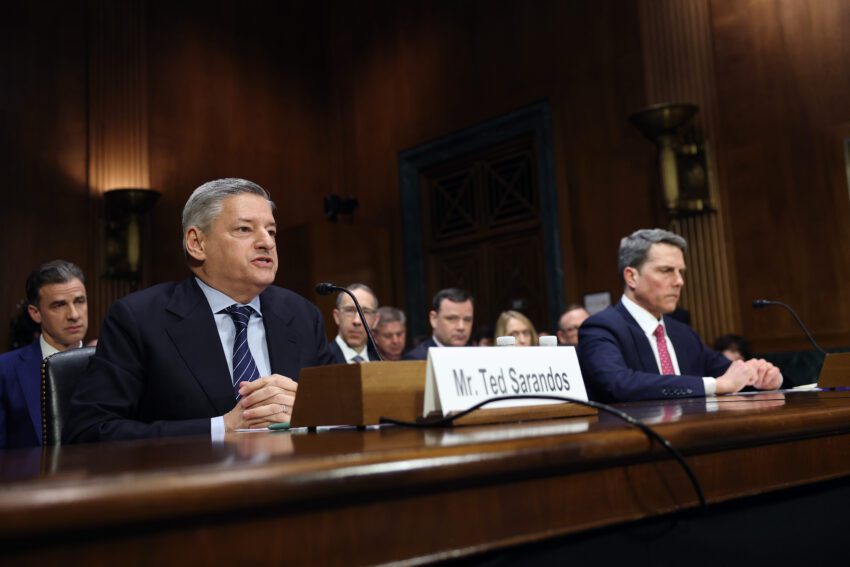
republicans haul netflix before congress for being Netflix Co-CEO Ted Sarandos faced intense scrutiny during a recent Senate hearing, where lawmakers raised concerns not only about a proposed merger but also about the company’s content direction.
republicans haul netflix before congress for being
Background of the Hearing
On Tuesday, Ted Sarandos, the Co-CEO of Netflix, appeared before the Senate Judiciary Committee’s Subcommittee on Antitrust, Competition Policy, and Consumer Rights. The primary focus of the hearing was Netflix’s attempt to acquire a significant stake in Warner Bros. Discovery, a move that has sparked considerable debate regarding its implications for competition in the entertainment industry. While traditional merger concerns were at the forefront, the discussion took a notable turn towards cultural issues, particularly Netflix’s programming choices.
Concerns Over the Merger
The hearing was characterized by a bipartisan concern regarding the potential consequences of the merger. Lawmakers expressed apprehension that the deal could lead to:
- Increased Costs for Consumers: Several senators voiced fears that the merger could result in higher subscription fees for consumers, as fewer competitors in the market might lead to less price competition.
- Limited Theater Experiences: With the consolidation of major entertainment companies, there are worries that consumers may have fewer options when it comes to theatrical releases, potentially diminishing the overall movie-going experience.
- Job Market Implications: The merger could also impact employment within the entertainment sector, with concerns that job opportunities might shrink as companies consolidate.
These concerns reflect a broader anxiety about the increasing concentration of power within the media landscape, where a handful of companies control a significant portion of content production and distribution.
The Cultural Debate
While the merger’s implications were a central theme, a significant portion of the hearing was dedicated to Netflix’s content strategy, particularly its portrayal of diverse characters and themes. Lawmakers from the Republican party took the opportunity to criticize what they termed Netflix’s “woke” programming. This term has become a catch-all phrase used by some politicians to describe media content that they believe promotes progressive social values, particularly regarding issues of race, gender, and sexuality.
Focus on ‘Woke’ Programming
During the hearing, several senators questioned Sarandos about the company’s decision to include content featuring transgender characters and other diverse representations. Critics argue that such programming alienates certain segments of the audience and detracts from the traditional storytelling that many viewers prefer. This line of questioning reflects a growing cultural divide in the United States, where media representation has become a contentious issue.
Senator Ted Cruz, a prominent figure in the Republican party, was particularly vocal about his concerns. He argued that Netflix’s focus on diversity and inclusion has led to a decline in quality programming, suggesting that the company is prioritizing social agendas over storytelling. Sarandos defended Netflix’s approach, stating that the company aims to reflect the diverse world in which we live and that this diversity enriches the storytelling experience.
Implications for Content Creation
The debate over Netflix’s programming raises important questions about the future of content creation in the entertainment industry. As streaming platforms continue to compete for viewers, the pressure to produce diverse and inclusive content is likely to intensify. This shift may lead to:
- Increased Representation: As more companies recognize the importance of diversity, audiences may see a broader range of stories and characters on their screens.
- Potential Backlash: Conversely, companies may also face backlash from audiences who feel that certain programming choices are overly political or do not resonate with their values.
- Market Segmentation: The cultural divide may lead to the emergence of niche streaming services that cater specifically to audiences seeking content that aligns with their beliefs and values.
Stakeholder Reactions
Reactions to the hearing have been mixed, reflecting the polarized nature of the current cultural climate. Supporters of Netflix’s approach to programming argue that the company is at the forefront of a necessary evolution in storytelling, one that embraces diversity and inclusivity. They contend that this evolution is essential for reflecting the realities of modern society and for fostering understanding among different communities.
On the other hand, critics argue that Netflix’s programming choices are indicative of a broader trend in Hollywood that prioritizes political correctness over artistic integrity. They believe that this focus on “wokeness” can alienate viewers who feel that their perspectives are not represented in mainstream media.
Political Implications
The hearing also underscores the intersection of politics and entertainment in contemporary America. As streaming platforms like Netflix gain significant cultural influence, they become targets for political scrutiny. This dynamic raises questions about the role of media companies in shaping public discourse and the extent to which they should engage with political issues.
As lawmakers increasingly turn their attention to the content produced by major streaming services, it is likely that we will see more hearings and discussions centered around the cultural implications of programming choices. This could lead to a more significant push for regulation or oversight of content, particularly if lawmakers believe that certain programming is harmful or misleading.
The Future of Streaming Content
Looking ahead, the outcome of the hearing and the ongoing discussions surrounding Netflix’s programming will likely have lasting implications for the streaming industry. As competition intensifies, companies may need to navigate the delicate balance between producing content that appeals to a broad audience while also addressing the demands for diversity and representation.
Moreover, the cultural debates surrounding content may influence the types of projects that get greenlit in the future. Streaming platforms may increasingly find themselves in a position where they must justify their programming choices not only to audiences but also to lawmakers and regulators.
Conclusion
The recent Senate hearing featuring Netflix’s Ted Sarandos highlighted the complex interplay between business, culture, and politics in the entertainment industry. As streaming services continue to shape the media landscape, the discussions surrounding mergers and content choices will likely remain at the forefront of public discourse. The outcome of these debates will not only impact Netflix but could also set precedents for how other companies approach content creation in an increasingly polarized environment.
Source: Original report
Was this helpful?
Last Modified: February 4, 2026 at 9:46 am
0 views