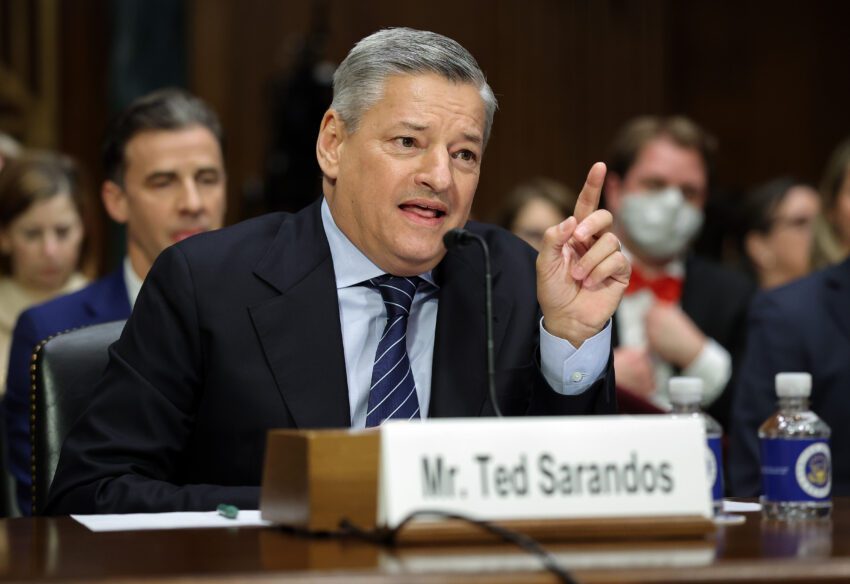
republicans attack woke netflix – and ignore During a recent Senate hearing, Netflix co-CEO Ted Sarandos faced pointed criticism from Republican lawmakers regarding the platform’s content, particularly its portrayal of “woke” ideologies, while the more influential platform, YouTube, was notably absent from the discussion.
republicans attack woke netflix – and ignore
The Context of the Hearing
The Senate hearing, held on a Tuesday, was ostensibly focused on antitrust issues related to the merger of Warner Bros. Discovery. However, the dialogue quickly shifted as Republican senators seized the opportunity to voice their concerns about what they perceive as the proliferation of progressive ideologies in media, particularly on streaming platforms like Netflix.
Senator Josh Hawley (R-MO) was among the most vocal critics during the session. After initially questioning Sarandos about residual payments to creators, he pivoted to a more controversial topic: the representation of transgender issues in children’s programming on Netflix. This line of questioning reflects a broader trend among some Republican lawmakers who have increasingly targeted media companies over their content choices, particularly those that they believe promote progressive social values.
Specific Accusations Against Netflix
Hawley’s inquiry was pointed: “Why is it that so much of Netflix content for children promotes a transgender ideology?” This question not only highlights the senator’s concerns but also underscores a growing narrative among conservatives that streaming platforms are indoctrinating young audiences with liberal viewpoints.
In response, Sarandos defended Netflix’s content decisions, emphasizing the company’s commitment to diversity and inclusion. He argued that the platform aims to reflect the realities of modern society, which includes a variety of identities and experiences. Sarandos pointed out that the goal is to provide a wide range of programming that resonates with different audiences, including children.
The Broader Implications of the Debate
This exchange is emblematic of a larger cultural battle playing out in the United States, where media companies are increasingly caught in the crossfire of political disputes over social issues. The term “woke,” often used pejoratively by critics, has become a rallying cry for those who oppose what they see as excessive political correctness in media and entertainment.
Republican lawmakers have increasingly focused on media companies as part of their broader strategy to appeal to their base. By framing the conversation around “woke” content, they aim to galvanize support among constituents who feel alienated by progressive narratives in mainstream media.
Ignoring the Larger Picture
Interestingly, while Netflix was under scrutiny, YouTube—a platform that arguably has a far greater influence on children and young audiences—was conspicuously absent from the conversation. YouTube, owned by Google, has become a dominant force in digital media, particularly among younger demographics who consume vast amounts of content on the platform.
Critics have raised concerns about the types of content that thrive on YouTube, including videos that may promote misinformation or radical ideologies. Yet, during the hearing, no senator questioned Sarandos about YouTube’s role in shaping public discourse or its impact on children, despite the platform’s significant reach and influence.
Stakeholder Reactions
The reactions to the hearing have been mixed, with various stakeholders weighing in on the implications of the Republican criticisms directed at Netflix. Advocates for diversity in media have praised Netflix for its commitment to inclusive storytelling, arguing that representation matters and that children benefit from seeing a variety of perspectives.
Conversely, conservative commentators have lauded the senators for holding Netflix accountable, asserting that the platform’s content choices reflect a broader societal trend that undermines traditional values. This divide illustrates the polarized nature of contemporary American politics, where media companies are often seen as battlegrounds for ideological conflicts.
The Role of Streaming Services in Modern Society
Streaming services like Netflix have transformed the way audiences consume media, offering a plethora of choices that cater to diverse tastes and preferences. This shift has empowered viewers to seek out content that resonates with their identities, but it has also led to backlash from those who feel that certain narratives are being pushed at the expense of traditional values.
As streaming platforms continue to grow in popularity, the pressure on them to navigate these cultural waters will only intensify. Companies like Netflix must balance the desire to be inclusive with the need to address the concerns of various stakeholders, including viewers, advertisers, and lawmakers.
Future Considerations for Streaming Platforms
The scrutiny faced by Netflix during this hearing may serve as a precursor to future challenges that streaming platforms will encounter. As political polarization continues to shape public discourse, media companies may find themselves increasingly targeted by lawmakers seeking to leverage cultural issues for political gain.
In this environment, streaming services will need to adopt strategies that allow them to maintain their commitment to diverse content while also addressing the concerns of critics. This may involve more transparent communication about content choices and a willingness to engage with stakeholders on both sides of the ideological spectrum.
The Importance of Audience Engagement
As the debate over “woke” content rages on, audience engagement will be crucial for streaming platforms. Companies like Netflix must actively listen to viewer feedback and adapt their content strategies accordingly. This could involve creating forums for audience discussions, conducting surveys to gauge viewer sentiment, and being responsive to concerns raised by parents and advocacy groups.
Moreover, platforms may need to invest in educational initiatives that help audiences understand the importance of representation and diversity in media. By fostering a dialogue around these issues, streaming services can help mitigate some of the backlash they face from critics while reinforcing their commitment to inclusive storytelling.
Conclusion
The recent Senate hearing illustrates the complex landscape that streaming platforms like Netflix must navigate in an increasingly polarized political environment. As Republican lawmakers target the company over its content choices, the broader implications of these discussions cannot be overlooked. The absence of scrutiny directed at YouTube raises questions about the selective nature of these criticisms and the need for a more comprehensive approach to understanding the impact of digital media on society.
As the cultural battle over media representation continues, streaming services will need to remain vigilant and adaptable, balancing the demands of diverse audiences with the realities of a politically charged landscape. The future of content creation and consumption may depend on how well these platforms can engage with their viewers and respond to the evolving expectations of society.
Source: Original report
Was this helpful?
Last Modified: February 6, 2026 at 1:44 pm
1 views