razer s ai wearable is a headset Razer has unveiled an innovative concept AI wearable at CES, merging advanced technology with user-centric design.
razer s ai wearable is a headset
Introduction to Project Motoko
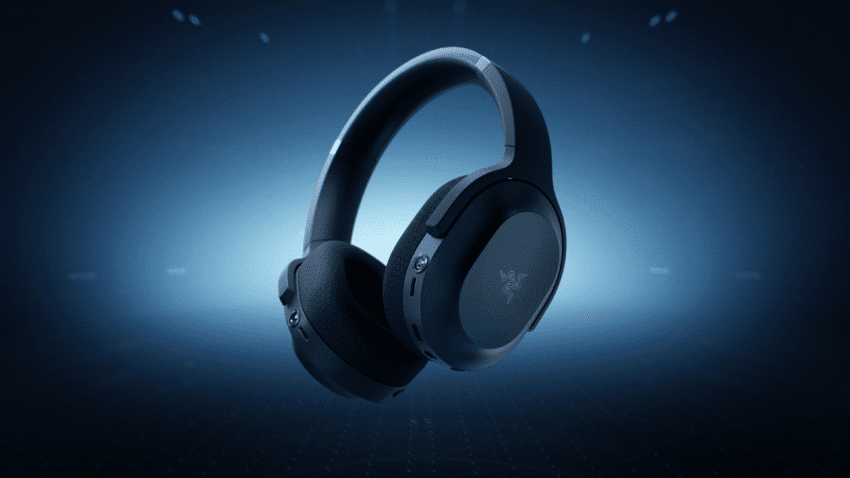
At the Consumer Electronics Show (CES), Razer introduced Project Motoko, a groundbreaking concept AI wearable that resembles a pair of wireless headphones. This device is not just an audio accessory; it integrates dual camera lenses into the ear cups, positioning them at eye level to capture a first-person view of the user’s surroundings. This unique feature aims to enhance the user experience by allowing for real-time interaction with the environment.
Technical Specifications
The current iteration of Project Motoko is powered by an unspecified Qualcomm Snapdragon chip, a choice that suggests a focus on performance and efficiency. The integration of dual first-person-view cameras enables the device to capture a wide array of visual information, including objects, text, and other elements in the user’s vicinity. This capability opens up numerous possibilities for augmented reality applications, making the wearable not just a passive device but an active participant in the user’s daily life.
Camera Features
The dual cameras are strategically placed to mimic the natural line of sight, providing a seamless experience for users. This positioning allows for a more intuitive interaction with the device, as it captures what the user would typically see. The cameras can be utilized for various applications, such as reading text, identifying objects, and even engaging in augmented reality experiences. The potential for these features to enhance productivity and leisure activities is significant, as users can access information and interact with their environment in real-time.
Audio and Voice Control
In addition to its visual capabilities, Project Motoko is equipped with multiple microphones designed to receive voice commands, dialogue, and environmental audio. This feature allows for hands-free control, enabling users to manage audio settings without needing to physically interact with the device. The integration of voice recognition technology is a crucial aspect of the user experience, as it facilitates a more natural interaction with the wearable. Users can easily switch between different audio sources, adjust volume levels, or even initiate calls, all through voice commands.
Compatibility with AI Models
One of the standout features of Project Motoko is its compatibility with all major AI models, including those from OpenAI. This versatility allows users to leverage advanced AI capabilities directly through the wearable. For example, users could potentially access real-time translations, information retrieval, or even personalized recommendations based on their surroundings. This level of integration signifies a shift towards more intelligent wearables that can adapt to the user’s needs and preferences.
Potential Applications
The applications for Project Motoko are vast and varied. In a professional setting, the ability to capture and analyze visual information can enhance productivity. For instance, users could utilize the device for tasks such as scanning documents, identifying products in a retail environment, or even navigating complex spaces. In a more casual context, the wearable could serve as an interactive tool for gaming or social media, allowing users to share their experiences in real-time.
Design and User Experience
Razer is known for its sleek and gamer-centric designs, and Project Motoko is no exception. The headset maintains a modern aesthetic while incorporating advanced technology seamlessly. The ergonomic design ensures comfort during extended use, making it suitable for both gaming sessions and everyday activities. The choice of materials and build quality reflects Razer’s commitment to delivering a premium product that meets the demands of tech-savvy consumers.
User-Centric Features
Razer has emphasized the importance of user experience in the development of Project Motoko. The hands-free controls, combined with the intuitive camera placement, create a device that is easy to use and highly functional. Users can expect a streamlined experience that minimizes distractions, allowing them to focus on their tasks or leisure activities. The integration of AI further enhances this experience, providing users with relevant information and assistance as needed.
Market Implications
The introduction of Project Motoko signals a significant shift in the wearable technology market. As companies increasingly integrate AI capabilities into their devices, consumers can expect a new level of functionality and interactivity. Razer’s approach to combining audio and visual technology sets a precedent for future wearables, potentially influencing competitors to explore similar avenues.
Consumer Reactions
Initial reactions to Project Motoko have been largely positive, with many tech enthusiasts expressing excitement about the potential applications of the device. The integration of AI and advanced camera technology has sparked discussions about the future of wearables and how they can enhance daily life. However, some consumers remain cautious, questioning the practicality and privacy implications of a device that continuously captures visual information.
Privacy Considerations
As with any device that incorporates cameras and AI technology, privacy concerns are paramount. Users may worry about how their data is collected, stored, and utilized. Razer will need to address these concerns transparently to build trust with potential customers. Implementing robust privacy features, such as data encryption and user control over camera activation, will be essential in alleviating these fears.
Future Developments
Looking ahead, Razer’s Project Motoko could pave the way for further innovations in wearable technology. The company may explore additional features, such as enhanced AI capabilities, improved battery life, and expanded compatibility with other devices. As the technology landscape evolves, Razer’s commitment to pushing boundaries will likely keep it at the forefront of the industry.
Conclusion
Razer’s Project Motoko represents a significant advancement in the realm of wearable technology, merging audio and visual capabilities with AI integration. The potential applications for this device are vast, ranging from professional productivity to enhanced leisure experiences. As the market for wearables continues to grow, Razer’s innovative approach may set new standards for what consumers can expect from their devices. With careful attention to user experience and privacy considerations, Project Motoko could redefine the way we interact with technology in our daily lives.
Source: Original report
Was this helpful?
Last Modified: January 6, 2026 at 7:36 pm
3 views