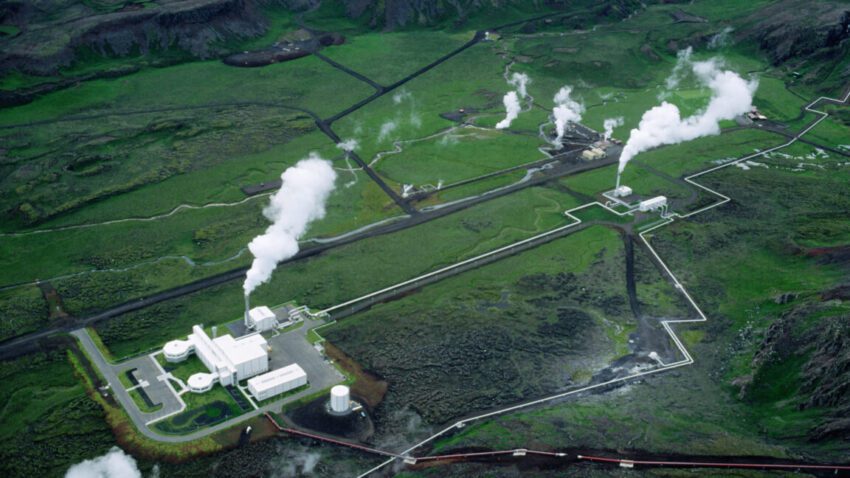
rare win for renewable energy trump admin The U.S. Department of Energy has announced an $8.6 million grant aimed at expanding the nation’s first utility-led geothermal heating and cooling network, marking a significant step forward for renewable energy initiatives.
rare win for renewable energy trump admin
Overview of the Grant and Its Purpose
The funding, approved by the Department of Energy, will enable Eversource Energy, a gas and electric utility, to double the size of its geothermal network in Framingham, Massachusetts. This initiative is particularly noteworthy as it represents a collaborative effort between Eversource, the city of Framingham, and HEET, a Boston-based nonprofit organization dedicated to promoting geothermal energy. HEET is the lead recipient of the grant, which underscores the importance of partnerships in advancing renewable energy technologies.
Background on Geothermal Energy
Geothermal energy harnesses heat from the Earth’s core to provide heating and cooling solutions for buildings. This method is increasingly recognized for its efficiency and sustainability compared to traditional fossil fuel-based systems. Geothermal networks utilize a series of underground pipes filled with fluid to transfer heat to and from the ground, allowing for effective temperature regulation in residential and commercial buildings.
One of the primary advantages of geothermal systems is their energy efficiency. According to the U.S. Environmental Protection Agency, geothermal heat pumps can reduce energy consumption by 30% to 60% compared to conventional heating systems. This efficiency translates into lower utility bills for consumers and reduced greenhouse gas emissions, making geothermal energy a compelling option in the fight against climate change.
Details of the Framingham Geothermal Network
The initial phase of the Framingham geothermal network was completed in 2024, marking a significant milestone in the city’s commitment to renewable energy. Eversource Energy has successfully implemented this innovative system, which has already begun to serve a number of customers. The expansion funded by the recent grant will allow the network to accommodate approximately 140 additional customers, broadening access to this sustainable energy source.
This expansion is not merely about increasing the number of customers; it also aims to enhance the overall performance and reliability of the geothermal system. The federal funding will support research initiatives to monitor and evaluate the system’s performance, ensuring that it operates efficiently and effectively. This data will be invaluable for future geothermal projects across the country, as it will provide insights into best practices and potential challenges.
Implications for Renewable Energy in the U.S.
The approval of this grant is a significant development in the context of the U.S. energy landscape. As the country grapples with the pressing need to transition to cleaner energy sources, initiatives like the Framingham geothermal network serve as a model for other cities and states. The expansion of geothermal networks could play a crucial role in achieving national renewable energy goals, particularly as policymakers seek to reduce reliance on fossil fuels.
Government Support for Renewable Energy
The funding from the Department of Energy reflects a broader commitment to renewable energy under the current administration. While the Trump administration has faced criticism for its environmental policies, this grant indicates a willingness to invest in sustainable technologies. The support for geothermal energy aligns with the administration’s goals of promoting energy independence and reducing energy costs for consumers.
Moreover, this initiative could pave the way for additional funding opportunities for geothermal projects across the country. As more cities and states recognize the benefits of geothermal energy, there may be increased demand for federal support to develop similar networks. This could lead to a ripple effect, encouraging further investment in renewable energy technologies and infrastructure.
Stakeholder Reactions
The announcement of the grant has garnered positive reactions from various stakeholders in the renewable energy sector. Eversource Energy has expressed enthusiasm about the opportunity to expand its geothermal network, emphasizing the importance of sustainable energy solutions for the community. The company’s commitment to renewable energy aligns with its broader corporate strategy to reduce carbon emissions and promote energy efficiency.
Framingham city officials have also welcomed the news, highlighting the potential benefits for residents and businesses. The expansion of the geothermal network is expected to provide more affordable heating and cooling options, ultimately contributing to the city’s sustainability goals. Local leaders view this initiative as a step toward a greener future, reinforcing Framingham’s position as a leader in renewable energy adoption.
HEET, as the lead recipient of the grant, has been instrumental in advocating for geothermal energy in Massachusetts. The organization’s efforts to educate the public about the benefits of geothermal systems have played a crucial role in building support for this project. HEET’s leadership in this initiative underscores the importance of community engagement in advancing renewable energy solutions.
Challenges and Considerations
While the expansion of the Framingham geothermal network represents a significant achievement, it is essential to acknowledge the challenges that lie ahead. Geothermal energy, while efficient, is not without its limitations. The initial investment required to establish geothermal systems can be substantial, which may deter some municipalities from pursuing similar projects. Additionally, the availability of suitable geological conditions is a critical factor in determining the feasibility of geothermal energy in different regions.
Furthermore, public awareness and acceptance of geothermal energy remain challenges that need to be addressed. Many consumers may be unfamiliar with the technology or may have misconceptions about its effectiveness. Education and outreach efforts will be crucial in overcoming these barriers and encouraging broader adoption of geothermal systems.
Future Prospects for Geothermal Energy
The successful expansion of the Framingham geothermal network could serve as a blueprint for future geothermal projects across the United States. As more cities explore renewable energy options, the lessons learned from this initiative may inform the development of similar systems in diverse geographic and climatic conditions. The data collected from the Framingham network will provide valuable insights into the long-term performance and sustainability of geothermal energy.
In addition, advancements in technology may further enhance the viability of geothermal energy. Ongoing research and development efforts are focused on improving the efficiency of geothermal systems and reducing installation costs. As these innovations emerge, they could make geothermal energy an even more attractive option for municipalities seeking to transition to renewable energy.
Conclusion
The $8.6 million grant from the U.S. Department of Energy represents a significant milestone for the Framingham geothermal network and the broader renewable energy landscape in the United States. By expanding access to geothermal heating and cooling solutions, this initiative not only benefits local residents but also sets a precedent for future renewable energy projects. As the nation continues to grapple with the challenges of climate change and energy sustainability, the success of the Framingham geothermal network could serve as a beacon of hope for a cleaner, more sustainable energy future.
Source: Original report
Was this helpful?
Last Modified: December 4, 2025 at 12:36 am
4 views