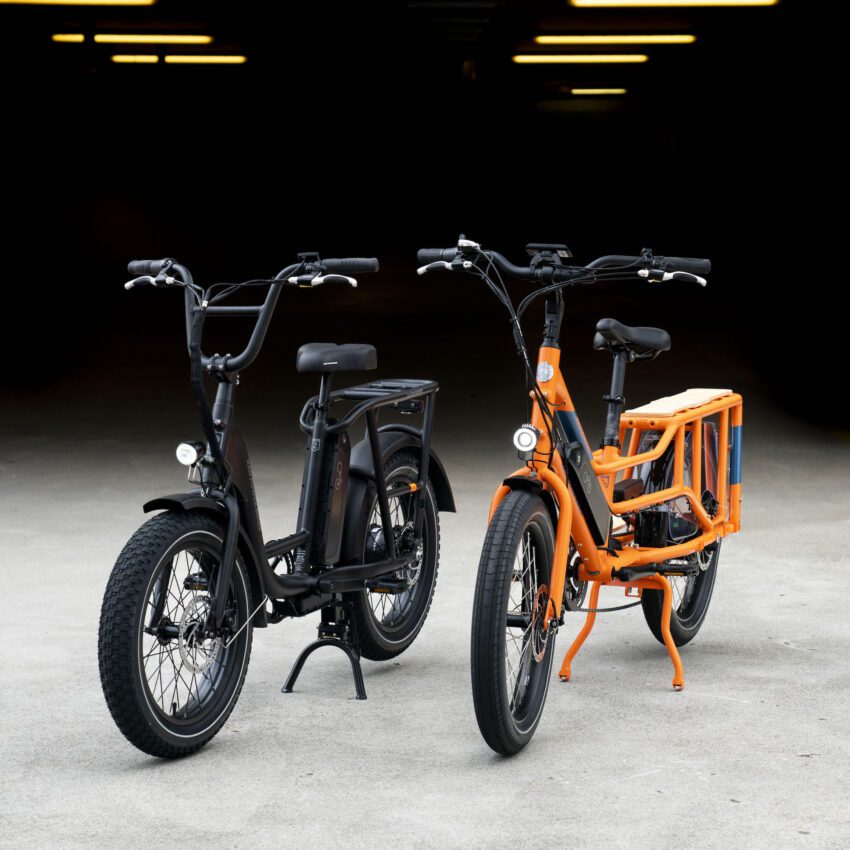
rad power bikes files for bankruptcy protection Rad Power Bikes, a leading name in the electric bicycle market, has filed for Chapter 11 bankruptcy protection as it aims to navigate a challenging financial landscape and pursue a potential sale of the company.
rad power bikes files for bankruptcy protection
Background of Rad Power Bikes
Founded in 2007, Rad Power Bikes quickly rose to prominence in the electric bicycle industry, becoming one of the largest e-bike manufacturers in the United States. The company gained a reputation for producing affordable, high-quality electric bicycles that appealed to a wide range of consumers, from casual riders to commuters. Rad Power’s innovative designs and direct-to-consumer sales model helped it capture significant market share in a rapidly growing sector.
However, the company faced increasing competition from both established bicycle manufacturers and new entrants into the electric bike market. As consumer preferences shifted and the market evolved, Rad Power struggled to maintain its leading position. The recent bankruptcy filing underscores the difficulties the company has encountered in adapting to these changes.
Bankruptcy Filing Details
This week, Rad Power Bikes filed for Chapter 11 bankruptcy protection in the US Bankruptcy Court for the Eastern District of Washington, which is located near its headquarters in Seattle. The filing indicates that the company is seeking to reorganize its debts while exploring options for a sale. According to reports, Rad Power has estimated assets of $32.1 million and liabilities totaling approximately $72.8 million.
The bankruptcy filing is a significant development for the company, particularly as it comes on the heels of a troubling announcement regarding safety concerns with its older e-bike batteries. Less than a month prior, Rad Power disclosed that it could not afford to recall batteries that had been flagged as a fire risk by the US Consumer Product Safety Commission (CPSC). This situation not only raised concerns about consumer safety but also highlighted the financial strain the company was under.
Financial Challenges
Rad Power’s financial difficulties can be attributed to several factors. The company expanded rapidly during the pandemic, capitalizing on the surge in demand for electric bicycles as people sought alternative modes of transportation. However, this rapid growth came with its own set of challenges, including supply chain disruptions and rising costs associated with manufacturing and logistics.
Additionally, the e-bike market has become increasingly competitive, with numerous brands vying for consumer attention. As new players entered the market, Rad Power faced pressure to innovate and differentiate its products. The company’s inability to effectively manage these challenges has contributed to its current financial predicament.
Implications of Bankruptcy
The Chapter 11 filing allows Rad Power Bikes to restructure its debts while continuing to operate its business. This process can provide the company with the necessary breathing room to explore options for a sale or to find new investors willing to support its operations. However, the road ahead may be fraught with challenges.
One of the immediate implications of the bankruptcy filing is the potential impact on consumers. While Rad Power has stated that it will continue to honor warranties and provide customer support during the bankruptcy process, the uncertainty surrounding the company’s future may lead some consumers to reconsider their purchases. Additionally, the safety concerns related to the recalled batteries could further erode consumer confidence in the brand.
Stakeholder Reactions
The bankruptcy filing has elicited a range of reactions from stakeholders, including consumers, industry experts, and investors. Many consumers who have invested in Rad Power bikes are understandably concerned about the future of their purchases. Some have taken to social media to express their worries about warranty coverage and the availability of replacement parts.
Industry experts have noted that Rad Power’s situation is indicative of broader trends within the e-bike market. As competition intensifies and consumer preferences evolve, companies must remain agile and responsive to changing market dynamics. The challenges faced by Rad Power may serve as a cautionary tale for other brands in the industry.
Future Prospects
Looking ahead, the future of Rad Power Bikes remains uncertain. The company has indicated its intention to explore strategic options, including a potential sale. If successful, a sale could provide the necessary capital to stabilize the business and allow for a renewed focus on product development and customer service.
However, the success of this endeavor will depend on several factors, including the willingness of potential buyers to invest in the brand and the company’s ability to address its financial challenges. Additionally, Rad Power will need to navigate the complexities of the bankruptcy process, which can be lengthy and fraught with obstacles.
Conclusion
Rad Power Bikes’ Chapter 11 bankruptcy filing marks a significant turning point for the company, which once stood as a leader in the electric bicycle market. As it seeks to restructure its debts and explore options for a sale, the company faces numerous challenges that will require careful management and strategic decision-making. The implications of this filing extend beyond the company’s financial health; they also raise important questions about consumer safety and the future of the e-bike industry as a whole.
As the situation develops, stakeholders will be watching closely to see how Rad Power navigates this difficult period and whether it can emerge as a viable player in the evolving electric bicycle landscape.
Source: Original report
Was this helpful?
Last Modified: December 17, 2025 at 8:47 pm
0 views