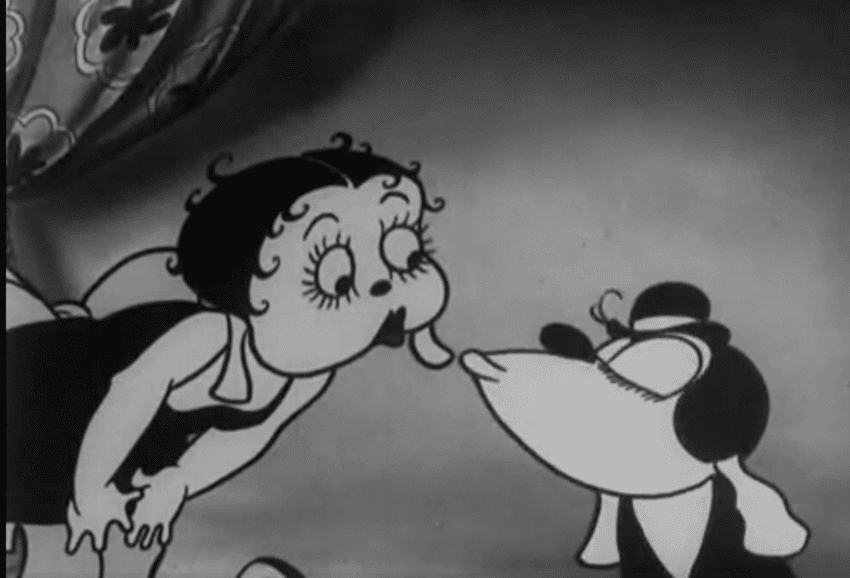
public domain 2026 betty boop pluto and In a significant shift for creators and consumers alike, a number of beloved characters and works are set to enter the public domain in 2026, including iconic figures such as Betty Boop, Pluto, and Nancy Drew.
public domain 2026 betty boop pluto and
Understanding Public Domain
The concept of public domain refers to creative works that are no longer protected by copyright, allowing anyone to use, reproduce, and adapt them without seeking permission or paying royalties. This transition typically occurs after a specified period of time, which varies by jurisdiction. In the United States, works published before 1923 are currently in the public domain, with this threshold gradually increasing due to changes in copyright law over the years.
Historical Context of Copyright Law
Copyright law in the United States has undergone significant changes since its inception. Initially, works were protected for a limited time, but the Copyright Act of 1976 extended the duration of copyright protection to the life of the author plus 50 years. This was further extended by the Copyright Term Extension Act of 1998, often referred to as the “Mickey Mouse Protection Act,” which added an additional 20 years, resulting in a total of 70 years after the author’s death for individual works.
As a result of these extensions, many works that would have entered the public domain have remained under copyright protection for longer than originally intended. This has led to a backlog of creative works that are now poised to become available to the public in the coming years, including those from 1926, 1927, and 1928.
Key Works Entering Public Domain in 2026
The year 2026 will mark a significant moment in cultural history as a variety of works created in 1930 will enter the public domain. Among these are:
- Betty Boop: Originally introduced as an anthropomorphic dog in the 1930 Fleischer Studios cartoon “Dizzy Dishes,” Betty Boop quickly evolved into a flapper character and became a cultural icon of the Jazz Age.
- Pluto: Disney’s beloved dog, who made his first appearance in the 1930 short film “The Chain Gang,” will also become part of the public domain. Pluto’s character has been a staple of Disney’s animated universe for decades.
- Nancy Drew: The iconic teenage detective created by publisher Edward Stratemeyer will see her original stories enter the public domain, allowing for new adaptations and interpretations of her adventures.
Implications for Creators and Consumers
The entry of these works into the public domain opens up a plethora of opportunities for creators, artists, and writers. For instance, filmmakers may choose to create new adaptations of Betty Boop’s adventures, while authors can explore new narratives featuring Nancy Drew without the constraints of copyright law. This democratization of creative content fosters innovation and encourages new interpretations of classic characters.
Moreover, the public domain allows for the preservation and accessibility of cultural heritage. As these works become available, educational institutions, libraries, and non-profit organizations can utilize them for various purposes, including teaching, research, and community engagement. This accessibility is particularly important in an age where digital content is increasingly prevalent, and the ability to freely share and adapt works can enhance cultural literacy.
Stakeholder Reactions
The impending arrival of these works into the public domain has elicited a range of reactions from various stakeholders, including creators, publishers, and legal experts.
Creators and Artists
Many artists and creators have expressed enthusiasm about the opportunities presented by the public domain. For instance, animators may find inspiration in Betty Boop’s unique style and character design, leading to a resurgence of interest in vintage animation techniques. Similarly, writers may feel empowered to explore new narratives within the Nancy Drew universe, potentially introducing the character to a new generation of readers.
Publishers and Copyright Holders
On the other hand, publishers and copyright holders may have mixed feelings about the transition of these works into the public domain. While some may recognize the potential for increased interest and engagement with their properties, others may be concerned about the loss of control over their intellectual property. This is particularly relevant for characters like Pluto, who have been integral to Disney’s branding and merchandise for decades.
Legal Experts
Legal experts have also weighed in on the implications of these works entering the public domain. Some argue that the transition is a necessary step in ensuring that cultural works remain accessible to the public. Others caution that the complexities of copyright law may lead to confusion regarding the use of these characters and stories, particularly in cases where adaptations may still be under copyright protection.
Looking Ahead: The Future of Public Domain
The entry of works into the public domain is not just a one-time event; it is part of an ongoing cycle that will continue to shape the cultural landscape. As more works from the 20th century become available, the potential for new interpretations and adaptations will only grow. This will likely lead to a resurgence of interest in classic characters and stories, as well as the emergence of new voices in the creative community.
Potential Challenges
Despite the positive implications of works entering the public domain, challenges remain. For example, the digital age has complicated the landscape of copyright and public domain, as the ease of access to content can lead to misuse or misrepresentation. Additionally, the rise of artificial intelligence and machine learning technologies raises questions about how these tools can interact with public domain works and the ethical considerations surrounding their use.
Conclusion
As we approach 2026, the excitement surrounding the entry of characters like Betty Boop, Pluto, and Nancy Drew into the public domain is palpable. This transition not only enriches the cultural tapestry but also empowers creators and consumers to engage with these works in new and innovative ways. The implications of this shift will be felt across various sectors, from education to entertainment, as the public gains access to a wealth of creative content that has long been under copyright protection.
Source: Original report
Was this helpful?
Last Modified: January 2, 2026 at 2:37 am
2 views