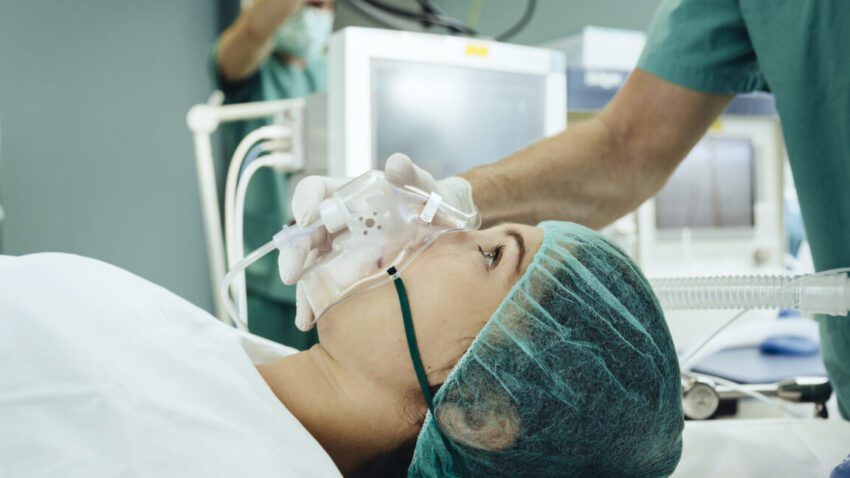
providers dropping common anesthesia drug that s Several U.S. hospitals are discontinuing the use of desflurane, a widely used anesthetic, due to its significant environmental impact as a climate super pollutant.
providers dropping common anesthesia drug that s
Understanding Desflurane and Its Environmental Impact
Desflurane is a volatile anesthetic commonly utilized in operating rooms across the globe. Introduced several decades ago, it has been favored for its rapid onset and recovery times, making it a preferred choice for many surgical procedures. However, its environmental consequences have come under scrutiny, prompting healthcare providers to reconsider its use.
Climate Super Pollutant Characteristics
Desflurane is classified as a climate super pollutant because of its extraordinary potency in trapping heat in the atmosphere. Specifically, it is more than 7,000 times more effective at warming the planet over a 20-year period than carbon dioxide (CO2) on a pound-for-pound basis. This staggering figure highlights the urgency of addressing its emissions, particularly in the context of global warming and climate change.
Despite its potency, desflurane contributes only a small fraction of total global warming. The primary drivers of climate change remain larger volumes of CO2 and methane emissions from various sectors, including transportation, agriculture, and energy production. Nevertheless, the cumulative emissions from desflurane are not negligible. Approximately 1,000 tons of this gas are vented from hospitals and healthcare facilities worldwide each year, leading to a near-term climate impact equivalent to the annual greenhouse gas emissions from around 1.6 million automobiles.
Regulatory Actions and Hospital Responses
In response to growing environmental concerns, several U.S. hospitals have begun phasing out desflurane. This shift is part of a broader movement within the healthcare sector to reduce its carbon footprint and address climate change proactively. The decision to discontinue the use of desflurane is not merely a trend but reflects a commitment to sustainability and environmental responsibility.
European Union Regulations
On January 1, the European Union took a significant step by prohibiting the use of desflurane in all but medically necessary cases. This regulation underscores the seriousness with which the EU is approaching climate change and the role of healthcare in contributing to greenhouse gas emissions. By limiting the use of such potent anesthetics, the EU aims to set a precedent for other regions to follow.
Implications for Healthcare Providers
The decision to drop desflurane presents both challenges and opportunities for healthcare providers. On one hand, the transition to alternative anesthetics may require additional training for medical staff and adjustments in surgical protocols. On the other hand, it offers a chance for hospitals to enhance their sustainability practices and align with global climate goals.
Alternative Anesthetics and Their Viability
As hospitals move away from desflurane, the question arises: what are the viable alternatives? Several anesthetics are available that have a lower environmental impact. These alternatives include isoflurane and sevoflurane, both of which are less potent greenhouse gases compared to desflurane.
Isoflurane and Sevoflurane
Isoflurane is a widely used inhalational anesthetic that has been in practice for many years. While it is still a greenhouse gas, its global warming potential is significantly lower than that of desflurane. Sevoflurane is another alternative that has gained popularity due to its favorable pharmacokinetic properties and lower environmental impact. Both alternatives can effectively replace desflurane in many surgical settings, although their use may depend on specific patient needs and surgical requirements.
Challenges in Transitioning to Alternatives
Transitioning to alternative anesthetics is not without its challenges. Healthcare providers must consider factors such as cost, availability, and the specific medical needs of patients. Additionally, the training of medical staff to use these alternatives effectively is crucial to ensure patient safety and optimal outcomes. Hospitals may also need to invest in new equipment or modify existing systems to accommodate different anesthetic agents.
Broader Implications for Climate Change and Healthcare
The move to phase out desflurane is part of a larger trend within the healthcare sector to address its role in climate change. Hospitals and healthcare providers are increasingly recognizing that their operations contribute to greenhouse gas emissions and are taking steps to mitigate their environmental impact. This shift aligns with global efforts to combat climate change and reduce carbon footprints across various industries.
Healthcare’s Carbon Footprint
The healthcare sector is responsible for a significant portion of global greenhouse gas emissions. According to various studies, healthcare contributes approximately 4-10% of total emissions in developed countries. This statistic underscores the importance of addressing emissions from anesthetics, medical equipment, and other healthcare-related activities.
Stakeholder Reactions
The decision to reduce or eliminate the use of desflurane has garnered mixed reactions from stakeholders. Environmental advocates have praised the move as a necessary step toward sustainability, while some medical professionals express concerns about the implications for patient care and the availability of effective anesthetic options. Balancing environmental responsibility with patient safety is a critical consideration for healthcare providers as they navigate this transition.
Future Outlook and Conclusion
The future of anesthetic use in healthcare is evolving, with a clear trend toward sustainability and environmental responsibility. As more hospitals phase out desflurane, the focus will likely shift toward developing and implementing anesthetic agents that minimize environmental impact while ensuring patient safety and effective surgical outcomes.
In conclusion, the decision to discontinue the use of desflurane reflects a growing awareness of the healthcare sector’s role in climate change. While the transition presents challenges, it also offers opportunities for innovation and improvement in anesthetic practices. As the global community continues to grapple with the effects of climate change, the healthcare sector’s commitment to reducing its carbon footprint will be essential in achieving broader environmental goals.
Source: Original report
Was this helpful?
Last Modified: January 6, 2026 at 1:39 am
5 views