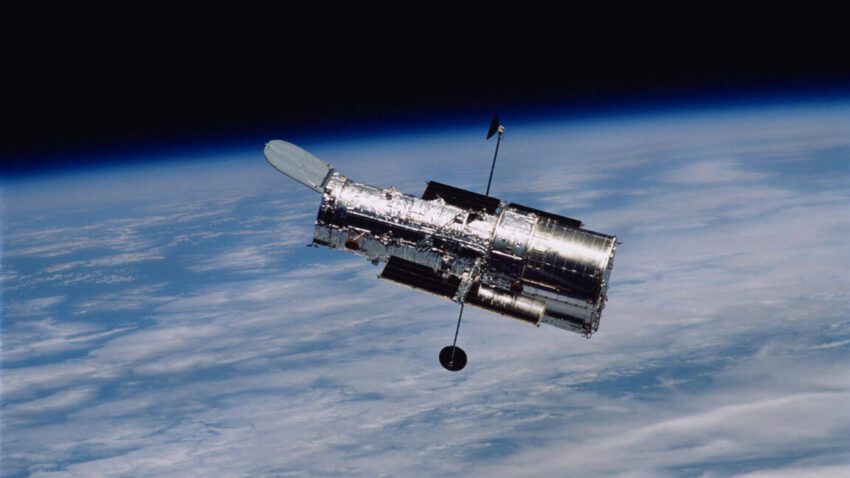
planned satellite constellations may swamp future orbiting NASA astronomers have raised concerns that future orbital telescopes will face significant interference from planned satellite constellations, including the expanded Starlink network and its competitors.
planned satellite constellations may swamp future orbiting
Impact of Satellite Constellations on Orbital Telescopes
On Wednesday, three NASA astronomers published a detailed analysis highlighting the potential challenges that upcoming satellite constellations pose to orbital telescopes. While the detrimental effects of these constellations on ground-based astronomy have been widely recognized, the implications for space-based observatories have received less attention. The analysis indicates that at least one proposed observatory could experience an average of nearly 100 satellite tracks in every exposure, significantly hampering its ability to capture clear images of celestial phenomena.
This revelation is particularly alarming given that the planned expansion of satellite constellations, combined with the specific features of upcoming astronomical missions, could lead to unprecedented levels of interference. The situation is exacerbated by the fact that some measures intended to mitigate the impact on ground-based telescopes may inadvertently worsen conditions for those operating in orbit.
Understanding Satellite Constellations
Satellite constellations are groups of satellites working in concert to provide various services, including broadband internet, Earth observation, and scientific research. The emergence of these constellations has been largely driven by the reduction in launch costs, primarily due to advancements in reusable rocket technology pioneered by companies like SpaceX. Prior to this technological shift, the largest satellite constellations in orbit typically consisted of only a few dozen satellites. However, the rapid expansion of systems like Starlink has introduced thousands of satellites into low Earth orbit (LEO), fundamentally altering the landscape of space.
The sheer number of satellites in these constellations poses a unique challenge for astronomers. Ground-based telescopes have already reported issues with satellite trails disrupting their observations, leading to concerns that the same problems will extend to orbital telescopes. The analysis from NASA highlights that the problem is not merely a theoretical concern; it is a pressing issue that could affect the quality of astronomical data collected by future missions.
Challenges for Future Orbital Observatories
The analysis conducted by the NASA astronomers outlines several key challenges that future orbital observatories may face due to satellite interference:
- Increased Satellite Density: As satellite constellations expand, the density of satellites in orbit will increase. This means that the likelihood of satellites crossing the field of view of orbital telescopes will also rise, leading to more frequent disruptions in data collection.
- Image Quality Degradation: The trails left by satellites can degrade the quality of images captured by telescopes, making it difficult to discern faint celestial objects. This is particularly concerning for missions aimed at studying distant galaxies, exoplanets, and other astronomical phenomena.
- Data Processing Challenges: The presence of satellite trails in observational data will necessitate more complex data processing techniques to filter out the interference. This could lead to increased computational demands and longer processing times, delaying scientific discoveries.
Specific Missions at Risk
Among the missions that could be significantly impacted is the proposed observatory designed to study the universe in unprecedented detail. The analysis suggests that this observatory could encounter nearly 100 satellite tracks in each exposure, a staggering number that would compromise its scientific objectives. The implications of such interference are profound, as the observatory’s ability to conduct its research could be severely hampered.
In addition to this specific mission, other upcoming telescopes, such as the James Webb Space Telescope (JWST) and the Wide Field Infrared Survey Telescope (WFIRST), may also face challenges from satellite interference. While these missions are designed to push the boundaries of our understanding of the universe, the presence of satellite constellations could limit their effectiveness and lead to a loss of valuable data.
Mitigation Measures and Their Consequences
In response to the growing concerns about satellite interference, various stakeholders have proposed mitigation measures aimed at reducing the impact on ground-based telescopes. However, the NASA analysis indicates that some of these measures may inadvertently exacerbate the challenges faced by orbital observatories.
For instance, one common mitigation strategy involves adjusting the orbits of satellites to minimize their visibility from ground-based telescopes. While this approach may help reduce interference for ground-based observations, it could lead to increased congestion in certain orbital regions, further complicating the operational environment for space-based telescopes.
Moreover, the design of future satellites may include features intended to minimize their brightness, but these adjustments may not be sufficient to eliminate the interference experienced by orbital telescopes. As a result, astronomers may need to rethink their strategies for data collection and analysis in light of the evolving satellite landscape.
Stakeholder Reactions
The analysis has elicited a range of reactions from stakeholders in the astronomy community and the satellite industry. Many astronomers have expressed concern about the potential for satellite constellations to disrupt their work, emphasizing the need for collaborative efforts to address the issue. Some have called for stricter regulations governing satellite launches and operations to ensure that the interests of scientific research are protected.
On the other hand, representatives from the satellite industry have defended the expansion of satellite constellations, arguing that they provide essential services, such as global internet access and Earth observation capabilities. They contend that the benefits of these systems outweigh the potential drawbacks for astronomy and that technological advancements can help mitigate interference.
Looking Ahead: The Future of Astronomy in a Crowded Orbit
The ongoing expansion of satellite constellations presents a complex challenge for the future of astronomy. As the number of satellites in orbit continues to grow, astronomers must adapt to an increasingly crowded environment. This may involve developing new observational techniques, enhancing data processing capabilities, and collaborating with satellite operators to minimize interference.
Furthermore, the scientific community may need to advocate for policies that prioritize the preservation of the night sky for astronomical research. This could involve establishing guidelines for satellite design and operation that take into account the needs of both ground-based and space-based observatories.
In conclusion, the analysis by NASA astronomers serves as a critical reminder of the potential consequences of unchecked satellite expansion on the field of astronomy. As we look to the future, it is essential for stakeholders from both the astronomy and satellite industries to engage in constructive dialogue to find solutions that balance the benefits of satellite technology with the need to protect our ability to explore the universe.
Source: Original report
Was this helpful?
Last Modified: December 3, 2025 at 10:36 pm
2 views