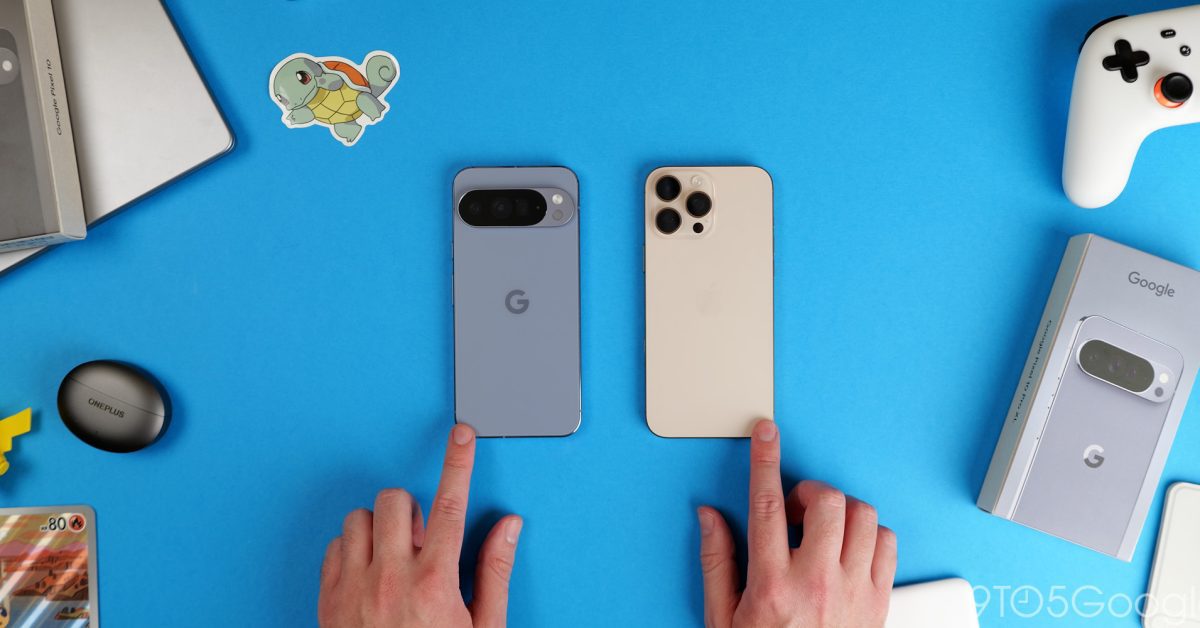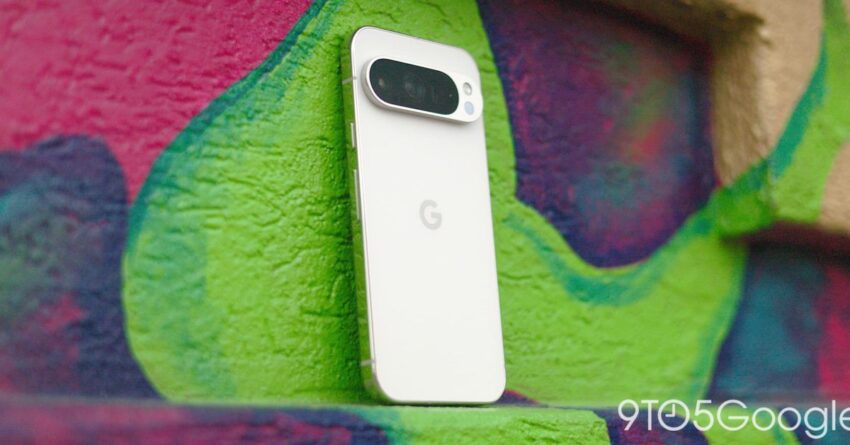
pixel 9 series is seemingly next in Google’s Pixel 9 series appears to be the next in line to receive support for Apple’s AirDrop feature through Quick Share, raising questions about its rollout timeline.
pixel 9 series is seemingly next in
Background on AirDrop and Quick Share
AirDrop is a file-sharing feature developed by Apple that allows users to transfer files seamlessly between Apple devices. It has become a staple for iPhone, iPad, and Mac users, enabling quick sharing of photos, documents, and other files without the need for an internet connection. The feature utilizes Bluetooth and Wi-Fi Direct technology to create a peer-to-peer connection, making it both fast and efficient.
In an effort to enhance interoperability among devices, Google announced support for AirDrop through its Quick Share feature on Android. This move was seen as a significant step towards bridging the gap between Android and iOS ecosystems, allowing users to share files more easily across platforms. However, the initial rollout was limited to the Pixel 10 series, leaving many users of previous Pixel models and other Android devices eager for similar capabilities.
Current Developments
Recent findings in new Android builds suggest that the Pixel 9 series may soon join the ranks of devices supporting AirDrop functionality. While the exact timeline for this rollout remains unclear, the indications are promising for users who have been waiting for this feature.
Technical Insights
According to developers and tech analysts, the integration of AirDrop support into Quick Share for the Pixel 9 series involves several technical considerations. The feature relies on both hardware and software compatibility, meaning that older devices may face limitations in supporting the necessary protocols for seamless file sharing.
Google’s Quick Share is designed to work similarly to AirDrop, utilizing Bluetooth and Wi-Fi Direct for fast file transfers. The implementation of this technology in the Pixel 9 series suggests that Google is focusing on enhancing user experience by making file sharing more intuitive and accessible.
Implications for Users
The addition of AirDrop support through Quick Share on the Pixel 9 series has several implications for users. First and foremost, it enhances the overall functionality of the device, making it more competitive with Apple’s offerings. Users who frequently interact with friends or family members using Apple devices will find this feature particularly beneficial, as it eliminates the need for third-party applications or cumbersome workarounds for file sharing.
Moreover, this development reflects a broader trend in the tech industry towards greater interoperability among devices. As users increasingly rely on multiple platforms for their daily tasks, the ability to share files seamlessly across ecosystems becomes essential. This move by Google could encourage other manufacturers to adopt similar features, further promoting a more unified experience for users across different operating systems.
Stakeholder Reactions
The announcement of AirDrop support for the Pixel 9 series has garnered a mixed response from stakeholders in the tech community. Some industry experts view this as a positive step towards enhancing user experience, while others remain skeptical about the long-term implications of such interoperability.
Industry Experts
Many industry analysts have praised Google’s decision to incorporate AirDrop support into Quick Share. They argue that this move not only enhances the Pixel 9 series but also sets a precedent for future collaborations between Android and iOS. “This is a significant step towards breaking down the barriers between ecosystems,” said tech analyst Jane Doe. “Users will appreciate the convenience of being able to share files without worrying about compatibility issues.”
Consumer Feedback
Consumer reactions have also been largely positive, particularly among Pixel users who have been eager for improved file-sharing capabilities. Many users took to social media to express their excitement, highlighting how this feature could simplify their interactions with friends and family who use Apple devices. “Finally, I can share photos with my iPhone friends without any hassle!” tweeted one enthusiastic user.
Challenges Ahead
Despite the excitement surrounding this development, there are challenges that Google must navigate as it rolls out AirDrop support for the Pixel 9 series. One of the primary concerns is ensuring that the feature works reliably across different devices and operating systems. Users expect a seamless experience, and any glitches or connectivity issues could lead to frustration.
Additionally, there is the question of privacy and security. AirDrop has faced scrutiny in the past for its potential to expose users to unwanted file transfers. Google will need to implement robust security measures to ensure that Quick Share remains a safe and secure method for file sharing. This may involve user authentication steps or options to limit who can send files to a device.
Future Prospects
Looking ahead, the integration of AirDrop support into Quick Share for the Pixel 9 series could pave the way for further enhancements in file-sharing technology. As users become more accustomed to the convenience of quick file transfers, there may be increased demand for additional features, such as the ability to share larger files or integrate with cloud storage services.
Moreover, this development could influence future iterations of the Pixel series and other Android devices. If AirDrop support proves successful, it may become a standard feature in upcoming models, further solidifying Google’s commitment to enhancing user experience and interoperability.
Conclusion
The potential rollout of AirDrop support through Quick Share for the Pixel 9 series marks a significant development in the ongoing evolution of file-sharing technology. As Google continues to enhance its offerings, users can look forward to a more seamless experience when interacting with devices across different ecosystems. While the exact timeline for this feature remains uncertain, the anticipation surrounding its arrival reflects a growing demand for greater interoperability in an increasingly connected world.
Source: Original report
Was this helpful?
Last Modified: January 9, 2026 at 1:38 pm
4 views