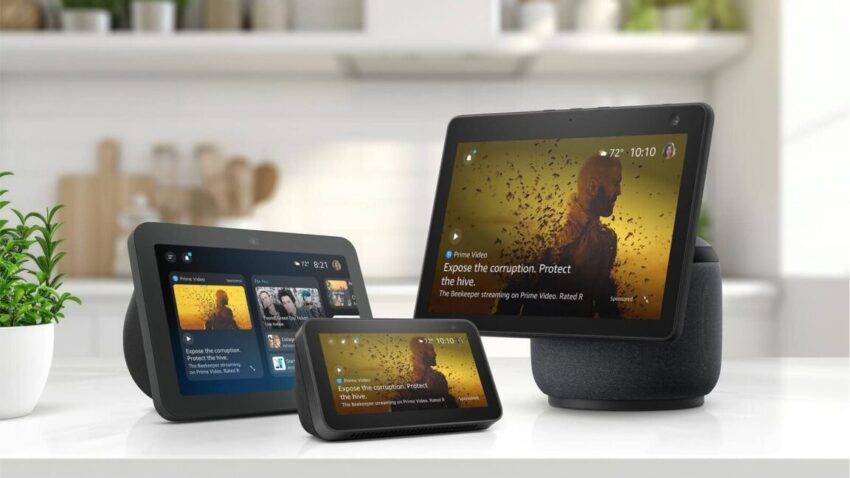
people regret buying amazon smart displays after Recent reports indicate that users of Amazon’s Echo Show smart displays are increasingly dissatisfied due to a surge in advertisements appearing on their devices.
people regret buying amazon smart displays after
Background on Amazon Echo Show
The Amazon Echo Show is a smart display that combines the functionality of a voice-activated assistant with a visual interface. Launched in 2017, the Echo Show has evolved through several iterations, each offering enhanced features, improved display quality, and better integration with Amazon’s ecosystem. The device allows users to perform a variety of tasks, such as making video calls, controlling smart home devices, and accessing information through voice commands. However, a significant aspect of its functionality has been the integration of advertising.
Advertising Features in Echo Show
From its inception, the Echo Show has included advertising as part of its user experience. The ads have primarily been displayed through:
- Shopping Lists: Users have noticed promotional content integrated into their shopping lists, often featuring products available for purchase on Amazon.
- Alexa Skills: The device has also promoted various Alexa skills, which are third-party applications that enhance the functionality of the Echo Show.
- Audio Ads: When users stream music through Amazon Music, they may encounter audio advertisements interspersed with their playlists.
These advertising methods have been relatively standard for smart devices, but recent user feedback suggests a shift in the frequency and visibility of these ads.
Increased Ad Frequency
Recent discussions on platforms like Reddit and reports from tech journalists have highlighted a noticeable increase in the number of ads displayed on Echo Show devices. Jennifer Pattison Tuohy from The Verge, who owns multiple Echo Shows, has echoed these sentiments, noting that the home screens of these devices are now inundated with promotional content. Users have reported that the ads are not only more frequent but also more intrusive, detracting from the overall user experience.
This uptick in advertising has led to significant user backlash, with many expressing regret over their purchases. Some users have taken to social media to voice their frustrations, stating that the devices have become less functional and more commercialized than they anticipated.
User Reactions
The response from Echo Show owners has been overwhelmingly negative. Users have reported feeling overwhelmed by the constant barrage of advertisements, leading some to reconsider their use of the device. Key reactions include:
- Disappointment: Many users feel that the Echo Show, initially marketed as a helpful smart assistant, has devolved into a platform primarily for advertising.
- Reduced Usage: Some owners have reported that they are using their devices less frequently, opting instead for alternatives that do not bombard them with ads.
- Returns: A number of users have gone so far as to return their Echo Shows, citing the excessive advertising as the primary reason for their decision.
Implications of Increased Advertising
The increase in advertisements on the Echo Show raises several important implications for both Amazon and its users. As the company continues to monetize its devices through advertising, it risks alienating a segment of its customer base. This could lead to a decline in sales for future iterations of the Echo Show and other Amazon devices.
Impact on User Experience
The user experience is central to the success of smart devices. When users feel that their devices are more focused on advertising than functionality, it can lead to dissatisfaction and disengagement. This shift may prompt users to seek alternatives that prioritize user experience over monetization. Competitors in the smart display market may capitalize on this dissatisfaction by offering ad-free experiences or more user-friendly interfaces.
Amazon’s Advertising Strategy
Amazon’s approach to advertising has evolved over the years. Initially, the company focused on integrating ads in a way that felt organic to the user experience. However, the recent increase in ad frequency suggests a shift towards a more aggressive monetization strategy. This could be a response to the company’s broader financial goals, particularly as it seeks to diversify its revenue streams beyond e-commerce.
Market Competition
The smart display market is becoming increasingly competitive, with several companies vying for consumer attention. Major players include Google with its Nest Hub and Apple with its HomePod. As these competitors continue to innovate and improve their offerings, Amazon may need to reevaluate its advertising strategy to remain competitive.
Consumer Preferences
Consumer preferences are shifting towards devices that offer seamless functionality without intrusive advertising. Users are increasingly valuing privacy and user experience, which could influence their purchasing decisions. If Amazon does not address the growing concerns regarding ad saturation, it risks losing market share to competitors that prioritize user satisfaction.
Future of Amazon Echo Show
As Amazon navigates the challenges posed by increased advertising on the Echo Show, the company faces critical decisions regarding the future of the device. Potential strategies could include:
- Ad-Free Options: Introducing a subscription model that allows users to opt for an ad-free experience could help retain customers who are dissatisfied with the current ad frequency.
- User Feedback Integration: Actively seeking and integrating user feedback into future updates could help Amazon better align its advertising strategy with consumer expectations.
- Enhanced Features: Focusing on enhancing the core functionalities of the Echo Show may help shift the narrative from one of annoyance to one of utility.
Conclusion
The recent surge in advertisements on Amazon’s Echo Show has led to significant user dissatisfaction, prompting many to reconsider their purchases. As the company navigates the implications of this advertising strategy, it must balance monetization with user experience to maintain its position in the competitive smart display market. The future of the Echo Show may depend on how effectively Amazon addresses these concerns and adapts to changing consumer preferences.
Source: Original report
Was this helpful?
Last Modified: October 11, 2025 at 2:37 am
5 views