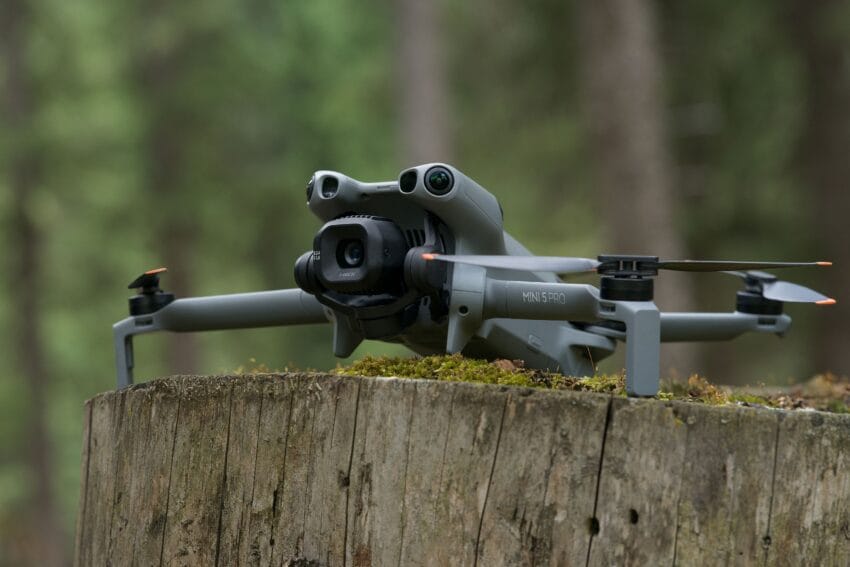
pentagon can call dji a chinese military The U.S. District Court has ruled that the Department of Defense (DoD) can classify DJI as a “Chinese Military Company,” a decision that has significant implications for the drone manufacturer and its operations in the United States.
pentagon can call dji a chinese military
Background of the Case
Last October, DJI, a leading drone manufacturer based in China, initiated legal action against the U.S. Department of Defense. The company sought to remove its designation as a “Chinese Military Company,” arguing that this label unfairly stigmatized its business and posed risks to its operations in the U.S. market. The designation has significant consequences, as it limits DJI’s ability to conduct business with U.S. government agencies and impacts its overall reputation among consumers and businesses.
The Court’s Findings
Judge’s Ruling
In a ruling delivered by U.S. District Court Judge Paul Friedman, the court found that while there was insufficient evidence to conclude that DJI is “indirectly owned by the Chinese Communist Party,” the DoD possesses broad discretion in determining which companies are classified as Chinese military entities. Judge Friedman stated that there was enough evidence to support the designation of DJI as a “military-civil fusion contributor.” This classification stems from the Chinese government’s strategic initiative to integrate military and civilian sectors for technological advancement.
Evidence Considered
One of the pivotal pieces of evidence that influenced the court’s decision was the designation of DJI as a “National Enterprise Technology Center” by China’s National Development and Reform Commission. This designation allows DJI to receive substantial cash subsidies, special financial support, and various tax benefits, which the court deemed sufficient grounds for the DoD to label the company as a Chinese Military Company.
Additionally, the court acknowledged that the state-sponsored entity Chengtong has “some unspecified ownership stake” in DJI. This connection further solidified the court’s stance, as it suggested a level of government involvement that could justify the military classification.
DoD’s Discretion and Comparisons
In his ruling, Judge Friedman also addressed DJI’s argument that other companies, such as the Chinese arms of Volkswagen and Nokia, have not faced similar scrutiny despite possessing “similar attributes.” The judge clarified that the DoD has broad discretion in determining which companies to include on the list of Chinese military entities. This discretion allows the DoD to make nuanced decisions based on various factors, including national security concerns and geopolitical considerations.
Implications for DJI
This ruling represents a significant setback for DJI, which is already facing mounting challenges in the U.S. market. The company is subject to an impending import ban on new products scheduled for December, which could severely impact its sales and market presence. Furthermore, U.S. customs has begun to block many consumer drone shipments, leading to empty shelves in stores and creating opportunities for scammers to exploit the situation. The uncertainty surrounding DJI’s future in the U.S. market has led the company to refrain from launching new drone models in the country.
Legal and Market Reactions
DJI’s Response
In light of the court’s decision, DJI has indicated that it may consider appealing the ruling. The company has not yet publicly stated its next steps but has been actively engaged in discussions about its legal options. An appeal could potentially prolong the legal battle and provide DJI with an opportunity to challenge the DoD’s classification more vigorously.
Stakeholder Reactions
The ruling has elicited varied reactions from stakeholders across the technology and defense sectors. Supporters of the decision argue that it is a necessary step to protect national security interests, particularly as tensions between the U.S. and China continue to escalate. They contend that the classification of DJI as a Chinese Military Company is justified given the company’s ties to the Chinese government and the potential risks associated with its technology.
Conversely, critics of the ruling express concerns about the implications for innovation and competition in the drone market. They argue that the blanket classification of companies based on their country of origin could stifle technological advancement and limit consumer choice. Some industry experts have also raised concerns about the potential for retaliatory measures from China, which could further complicate the global technology landscape.
Broader Context and Future Outlook
The ruling against DJI is part of a broader trend of increasing scrutiny of Chinese technology companies by the U.S. government. In recent years, there has been a growing focus on national security concerns related to foreign technology, particularly from China. This scrutiny has led to heightened regulatory measures and restrictions on various Chinese firms, impacting their ability to operate in the U.S. market.
As the geopolitical landscape continues to evolve, it is likely that the relationship between the U.S. and Chinese technology companies will remain contentious. The implications of this ruling extend beyond DJI, as it sets a precedent for how other foreign companies may be treated in the U.S. market. Companies that operate in sectors deemed sensitive to national security may find themselves facing similar challenges as the U.S. government seeks to safeguard its interests.
Potential Consequences for the Drone Industry
The drone industry, in particular, may experience significant shifts as a result of this ruling. With DJI being a dominant player in the consumer and commercial drone markets, its challenges could create opportunities for other manufacturers. Companies based in the U.S. or allied countries may seek to fill the void left by DJI’s potential exit from the market, leading to increased competition and innovation.
However, the broader implications of this ruling may also deter investment in the drone sector, as companies navigate the complexities of regulatory compliance and potential restrictions. Investors may become more cautious about funding ventures that could be affected by geopolitical tensions, which could stifle growth in the industry.
Conclusion
The court’s ruling allowing the DoD to classify DJI as a Chinese Military Company marks a significant development in the ongoing tensions between the U.S. and China in the technology sector. As DJI contemplates its next steps, the implications of this decision will reverberate throughout the drone industry and beyond. The evolving landscape of international relations and national security concerns will likely continue to shape the future of technology companies operating across borders.
Source: Original report
Was this helpful?
Last Modified: September 26, 2025 at 10:40 pm
20 views