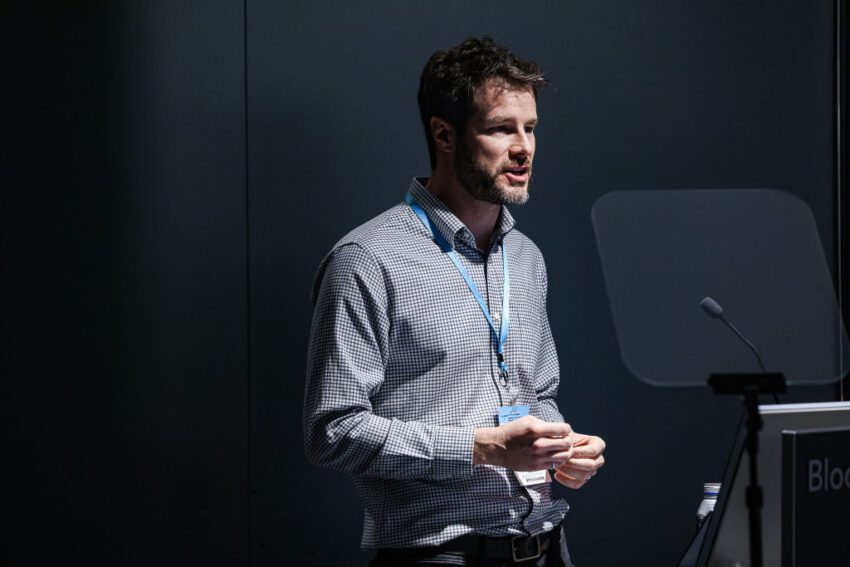
pebble founder says his new company is In a recent interview, Pebble founder Eric Migicovsky shared insights about his new venture, emphasizing a distinct approach that sets it apart from traditional startups.
pebble founder says his new company is
Background on Eric Migicovsky and Pebble
Eric Migicovsky gained prominence as the founder of Pebble, a pioneering smartwatch company that made waves in the tech industry with its innovative products. Launched in 2013, Pebble was one of the first smartwatches to gain widespread attention, thanks in part to a successful Kickstarter campaign that raised over $10 million. This remarkable achievement showcased not only the demand for wearable technology but also the potential for crowdfunding as a viable means of launching tech products.
Pebble’s success was characterized by its focus on functionality and user experience, offering features such as notifications, fitness tracking, and customizable watch faces. However, despite its initial popularity, the company faced challenges in a rapidly evolving market dominated by larger players like Apple and Samsung. Ultimately, Pebble ceased operations in 2016, leaving behind a legacy of innovation and a loyal user base.
Introducing the New Venture
Following the closure of Pebble, Migicovsky took some time to reflect on his experiences and the lessons learned from running a startup. His new company, which he has chosen not to label as a startup, aims to implement a different business model and operational philosophy. In his recent statements, he emphasized that the new venture is focused on sustainability and long-term growth rather than the typical startup trajectory of rapid scaling and high-risk investment.
A Shift in Business Philosophy
One of the key aspects of Migicovsky’s new approach is a commitment to building a sustainable business. He articulated a desire to avoid the pitfalls that often accompany the startup culture, such as the pressure to secure funding and achieve quick returns. Instead, he envisions a company that prioritizes steady growth and a strong foundation, allowing for innovation without the constraints of external investor expectations.
This shift in philosophy reflects a growing trend among entrepreneurs who are increasingly wary of the traditional startup model. Many founders are recognizing that the relentless pursuit of growth can lead to burnout, misalignment of goals, and ultimately, failure. By focusing on sustainability, Migicovsky aims to create a more resilient company that can adapt to changing market conditions and consumer needs.
Product Development and Innovation
At the core of Migicovsky’s new venture is a commitment to innovative product development. While specific details about the products have yet to be disclosed, he hinted at a focus on creating solutions that address real-world problems. This approach aligns with his belief that technology should enhance everyday life rather than complicate it.
Consumer-Centric Design
Consumer feedback has always played a crucial role in Migicovsky’s approach to product development. He plans to continue this practice, emphasizing the importance of listening to users and incorporating their insights into the design process. By prioritizing consumer needs, the new company aims to create products that resonate with users and foster loyalty.
This consumer-centric approach is particularly relevant in today’s market, where consumers are increasingly discerning and demand products that offer genuine value. By engaging with users and understanding their pain points, Migicovsky’s new venture can develop solutions that stand out in a crowded marketplace.
Funding and Financial Strategy
Unlike many startups that rely heavily on venture capital funding, Migicovsky’s new company is exploring alternative financial strategies. He expressed a preference for bootstrapping the business, allowing for greater control over operations and decision-making. This approach also aligns with his commitment to sustainability, as it reduces the pressure to deliver rapid returns to investors.
Long-Term Vision
The long-term vision for the company includes a focus on profitability and self-sufficiency. By avoiding the traditional startup funding model, Migicovsky aims to create a business that can thrive independently, without the constant need for external capital. This strategy not only fosters stability but also allows for greater flexibility in product development and market positioning.
Additionally, this approach may resonate with consumers who are increasingly concerned about the ethical implications of funding sources and business practices. By prioritizing self-sufficiency, Migicovsky’s new venture can build trust with its audience and establish a strong brand identity rooted in transparency and responsibility.
Market Trends and Consumer Behavior
The tech landscape is constantly evolving, and Migicovsky is keenly aware of the trends shaping consumer behavior. In recent years, there has been a noticeable shift towards sustainability and ethical consumption. Consumers are increasingly seeking products that align with their values, and companies that prioritize social responsibility are often rewarded with loyalty and trust.
Adapting to Changing Preferences
As a result, Migicovsky’s new company is positioned to capitalize on these trends by developing products that not only meet consumer needs but also reflect a commitment to sustainability. This could involve using eco-friendly materials, implementing ethical manufacturing practices, and engaging in community initiatives.
By aligning the company’s mission with the values of its target audience, Migicovsky aims to create a brand that resonates with consumers on a deeper level. This approach not only enhances customer loyalty but also contributes to a positive brand image in a competitive market.
Challenges Ahead
While Migicovsky’s vision for his new company is ambitious, it is not without challenges. The tech industry is notoriously competitive, and establishing a foothold requires not only innovative products but also effective marketing strategies. Additionally, the shift away from traditional startup funding may present obstacles in terms of scaling operations and reaching wider audiences.
Navigating Competition
As Migicovsky enters the market with his new venture, he will need to navigate a landscape filled with established players and emerging startups. Competing against well-funded companies with extensive resources can be daunting, but Migicovsky’s focus on sustainability and consumer-centric design may provide a unique selling proposition that differentiates his products.
Moreover, building a loyal customer base will be crucial. Establishing trust and credibility in a crowded market requires consistent quality, effective communication, and a commitment to delivering value. By prioritizing these aspects, Migicovsky can position his company for success despite the competitive challenges ahead.
Stakeholder Reactions
The tech community has responded with interest to Migicovsky’s new venture and his departure from the traditional startup model. Many industry observers have expressed curiosity about how this approach will unfold and whether it can succeed in a landscape dominated by rapid growth and high-stakes funding.
Support from Fellow Entrepreneurs
Fellow entrepreneurs and innovators have largely praised Migicovsky’s commitment to sustainability and ethical business practices. Many see this as a positive shift in the industry, one that prioritizes long-term success over short-term gains. The emphasis on consumer feedback and engagement has also garnered support, as it reflects a growing recognition of the importance of user experience in product development.
However, some skeptics remain, questioning whether a sustainable approach can truly compete in a market that often rewards aggressive growth strategies. The success of Migicovsky’s new venture will ultimately depend on its ability to navigate these challenges while remaining true to its core values.
Conclusion
Eric Migicovsky’s new company represents a departure from the traditional startup model, focusing on sustainability, consumer-centric design, and long-term growth. By prioritizing these principles, he aims to create a resilient business that can adapt to changing market conditions and consumer preferences. As the tech landscape continues to evolve, Migicovsky’s approach may serve as a blueprint for future entrepreneurs seeking to build meaningful and impactful companies.
Source: Original report
Was this helpful?
Last Modified: January 13, 2026 at 3:41 am
2 views