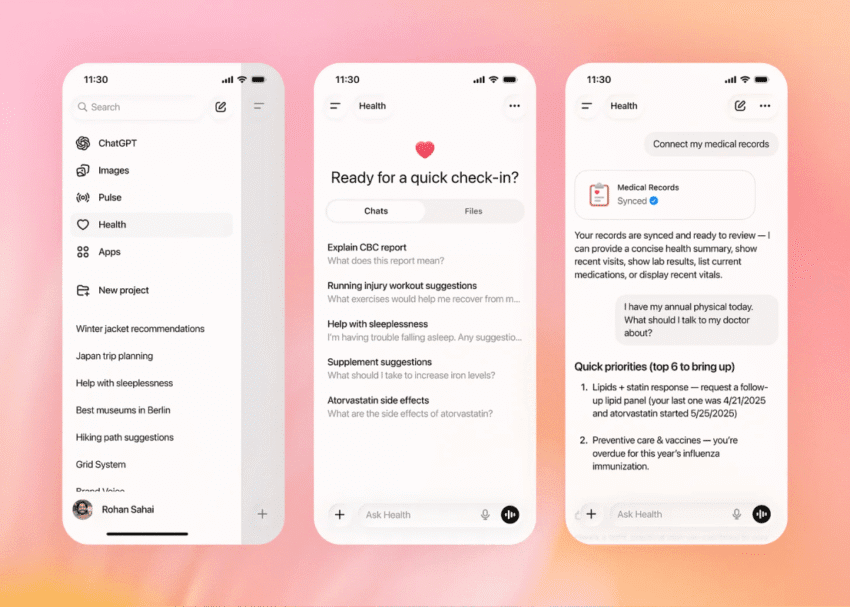
OpenAI has announced the upcoming launch of ChatGPT Health, a new feature aimed at providing users with a dedicated platform for health-related inquiries.
Introduction to ChatGPT Health
OpenAI, a leader in artificial intelligence research and development, is set to introduce ChatGPT Health, a specialized version of its popular conversational AI model. This feature is designed to cater specifically to health-related questions and concerns, reflecting the growing demand for accessible health information. With an astonishing 230 million users reportedly seeking health advice through ChatGPT each week, the need for a focused health platform has become increasingly apparent.
The Need for Health-Focused AI
The integration of AI in healthcare has been a topic of discussion for several years, with various stakeholders recognizing the potential benefits. The COVID-19 pandemic accelerated the adoption of telehealth services and digital health solutions, highlighting the importance of having reliable information readily available. Users often turn to online platforms for answers to their health questions, making it essential for AI systems to provide accurate and trustworthy responses.
Understanding User Demand
The staggering figure of 230 million users asking health-related questions each week underscores a significant trend in user behavior. Many individuals are seeking immediate answers to their health concerns, whether they are looking for information on symptoms, treatment options, or general wellness advice. This demand presents both an opportunity and a challenge for AI developers, as they must ensure that the information provided is not only accurate but also safe for users.
Features of ChatGPT Health
ChatGPT Health is expected to roll out in the coming weeks, and it will include several features tailored to enhance the user experience. These features aim to provide a more structured and informative interaction for users seeking health advice.
Dedicated Health Conversations
One of the primary features of ChatGPT Health will be the dedicated space for health conversations. This will allow users to engage with the AI in a focused manner, ensuring that their inquiries are addressed with the appropriate context. By compartmentalizing health discussions, OpenAI aims to minimize the risk of misinformation and enhance the quality of interactions.
Access to Reliable Information
OpenAI has emphasized the importance of providing reliable and evidence-based information through ChatGPT Health. The AI will be trained on a diverse range of medical literature, guidelines, and resources to ensure that users receive accurate responses. This commitment to quality is crucial, as misinformation in health can lead to serious consequences for individuals seeking guidance.
User-Friendly Interface
The user interface of ChatGPT Health will be designed to facilitate easy navigation and interaction. Users will be able to ask questions in natural language, making the experience more intuitive. The goal is to create an environment where individuals feel comfortable discussing their health concerns without the fear of judgment or misunderstanding.
Implications for Healthcare Providers
The introduction of ChatGPT Health may have significant implications for healthcare providers and professionals. As more individuals turn to AI for health information, traditional healthcare systems may need to adapt to this shift in user behavior.
Complementing Traditional Care
ChatGPT Health is not intended to replace healthcare professionals but rather to complement traditional care. By providing users with immediate access to information, the AI can help alleviate some of the pressure on healthcare systems. Patients may be better informed before visiting a doctor, allowing for more productive consultations.
Potential Challenges
Despite its potential benefits, the use of AI in healthcare also raises concerns. One major challenge is ensuring that users do not rely solely on AI for medical advice. While ChatGPT Health aims to provide accurate information, it cannot replace the expertise of a qualified healthcare professional. OpenAI must communicate the limitations of the AI clearly to users, emphasizing the importance of seeking professional medical advice when necessary.
Stakeholder Reactions
The announcement of ChatGPT Health has garnered mixed reactions from various stakeholders in the healthcare sector. While many see the potential for improved access to information, others express caution regarding the implications of AI in health.
Support from Health Advocates
Health advocates and organizations have largely welcomed the initiative, recognizing the potential for AI to democratize access to health information. By providing a platform where users can ask questions and receive timely responses, ChatGPT Health could empower individuals to take charge of their health. This aligns with broader trends in healthcare that emphasize patient engagement and education.
Concerns from Medical Professionals
On the other hand, some medical professionals have raised concerns about the potential for misinformation and the risks associated with self-diagnosis. There is a fear that users may misinterpret the information provided by the AI, leading to inappropriate actions or decisions regarding their health. Medical professionals stress the importance of maintaining a clear distinction between AI-generated information and professional medical advice.
Future Developments and Considerations
As OpenAI prepares to launch ChatGPT Health, several considerations will be crucial for its success and acceptance in the healthcare community.
Continuous Learning and Improvement
One of the key aspects of AI development is the ability to learn and improve over time. OpenAI will need to implement mechanisms for continuous learning within ChatGPT Health to ensure that the information provided remains up-to-date and relevant. This may involve regular updates to the training data, incorporating user feedback, and collaborating with healthcare professionals to refine the AI’s responses.
Ethical Considerations
The ethical implications of using AI in healthcare cannot be overlooked. OpenAI must navigate issues related to privacy, data security, and the potential for bias in AI responses. Ensuring that user data is handled responsibly and transparently will be essential in building trust with users and the healthcare community.
Conclusion
The launch of ChatGPT Health represents a significant step forward in the integration of AI into healthcare. By providing a dedicated platform for health-related inquiries, OpenAI aims to meet the growing demand for accessible and reliable health information. However, the success of this initiative will depend on how well it addresses the challenges and concerns raised by stakeholders. As the healthcare landscape continues to evolve, the role of AI in supporting health education and decision-making will likely become increasingly important.
Source: Original report
Was this helpful?
Last Modified: January 8, 2026 at 10:46 am
2 views