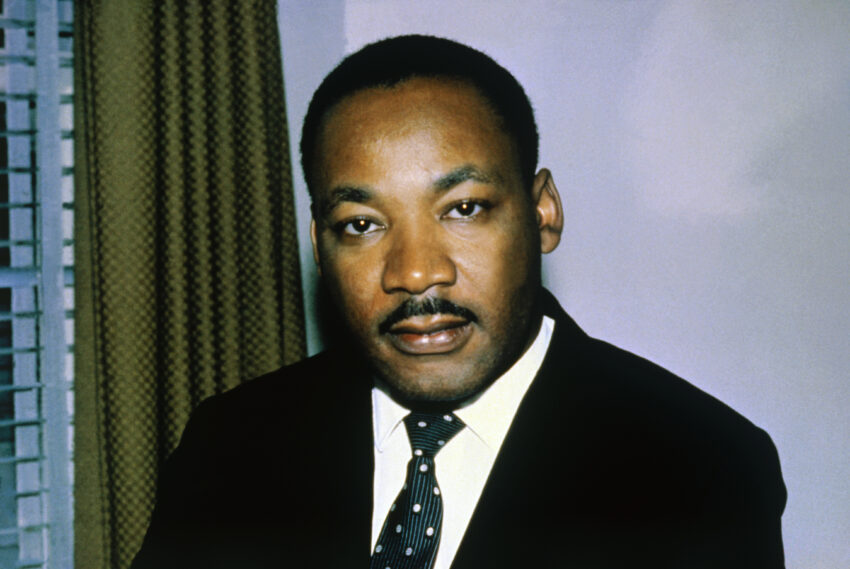
openai suspends mlk deepfakes on sora after OpenAI has announced the suspension of deepfake videos featuring Martin Luther King Jr. on its social app Sora after receiving complaints regarding disrespectful AI-generated content.
openai suspends mlk deepfakes on sora after
Background on Sora and Deepfake Technology
Sora, OpenAI’s social application, allows users to create and share AI-generated content, including videos featuring historical figures and celebrities. The platform leverages advanced machine learning algorithms to generate lifelike representations of individuals, enabling users to create unique and often entertaining content. However, the technology has raised ethical concerns, particularly when it comes to the portrayal of deceased figures.
Deepfake technology, which uses artificial intelligence to create realistic-looking fake videos, has been a topic of debate since its inception. While it has potential applications in entertainment and education, it can also be misused to create misleading or offensive content. The recent incident involving Martin Luther King Jr. highlights the challenges that arise when blending technology with sensitive historical narratives.
OpenAI’s Response to Complaints
On Thursday night, OpenAI announced that it had “paused” the generation of deepfakes depicting Martin Luther King Jr. This decision came after representatives from King’s estate, including his daughter Bernice King, expressed their concerns regarding the disrespectful nature of some AI-generated videos. Bernice King took to social media to request that users refrain from sending her AI videos of her father, emphasizing the need for respect and dignity in how her father’s legacy is portrayed.
In a statement, OpenAI acknowledged the complaints and emphasized its commitment to ensuring that public figures and their families have control over how their likenesses are used. The company stated that it would now allow authorized representatives or estate owners to opt out of having their likenesses used in Sora’s content. This shift reflects OpenAI’s recognition of the ethical implications surrounding the use of deepfake technology, particularly when it comes to historical figures.
Implications for Historical Figures and Their Estates
The decision to pause deepfakes of Martin Luther King Jr. raises important questions about the rights of historical figures and their estates in the digital age. While there are strong free speech interests in depicting public figures, OpenAI believes that families should ultimately have control over how their loved ones are represented. This perspective aligns with the growing trend of recognizing posthumous rights, which allow estates to protect the likenesses of deceased individuals.
OpenAI’s approach to deepfakes mirrors its earlier stance on copyright issues when Sora was first launched. Initially, the platform faced backlash for its “opt-out” policy, which allowed users to create content featuring characters from popular culture without seeking permission from rightsholders. This led to an overwhelming number of unauthorized depictions, prompting OpenAI to revise its policy to an “opt-in” model for rightsholders. The company’s evolving stance highlights the complexities of navigating copyright and likeness rights in the age of AI.
Legal Framework Surrounding Likeness Rights
Unlike copyright, which is governed by federal law, the protection of an individual’s likeness is subject to a patchwork of state laws. In many jurisdictions, individuals can sue for unauthorized use of their image, and some states extend these rights to deceased individuals as well. California, where OpenAI is headquartered, has specific laws that recognize postmortem privacy rights, particularly concerning the use of AI replicas of performers.
For living individuals, OpenAI has implemented a system that allows users to opt in to appearing in videos by creating AI clones of themselves. This approach empowers individuals to control their digital representation while also addressing concerns related to consent and privacy. However, the situation becomes more complex when dealing with historical figures who cannot provide consent, making the role of their estates crucial in determining how their likenesses are used.
Stakeholder Reactions
The reaction to OpenAI’s decision has been mixed, with some stakeholders applauding the company’s commitment to ethical considerations while others express concern about the implications for free speech. Supporters of the pause on deepfakes argue that it is essential to respect the legacies of historical figures, particularly those who fought for civil rights and social justice.
Bernice King, in particular, has been vocal about the need for sensitivity in how her father’s image is used. Her advocacy for respectful representation underscores the importance of maintaining the dignity of historical figures, especially in an era where technology can easily distort their legacies.
On the other hand, critics argue that restricting the use of deepfake technology could infringe on creative expression and free speech. They contend that art and satire often involve the reinterpretation of historical figures, and limiting this expression could stifle creativity. This tension between ethical considerations and artistic freedom is a recurring theme in discussions about the use of AI in creative fields.
Future of Deepfake Technology and Ethical Considerations
The incident involving Martin Luther King Jr. serves as a critical case study for the future of deepfake technology and its ethical implications. As AI continues to advance, the potential for misuse remains a significant concern. OpenAI’s decision to pause deepfakes of King reflects a growing awareness of the need for ethical guidelines in the development and deployment of AI technologies.
Moving forward, it will be essential for companies like OpenAI to establish clear policies that balance the interests of creative expression with the rights of individuals and their estates. This may involve developing more robust frameworks for obtaining consent and ensuring that the portrayal of historical figures aligns with their legacies.
Conclusion
The suspension of deepfakes featuring Martin Luther King Jr. on OpenAI’s Sora platform highlights the complex interplay between technology, ethics, and the representation of historical figures. As society grapples with the implications of AI-generated content, it is crucial to prioritize respect for the legacies of those who have shaped our history. OpenAI’s decision to allow estates to opt out of likeness usage is a step in the right direction, but ongoing dialogue and collaboration between technology developers, legal experts, and representatives of historical figures will be essential in navigating the challenges ahead.
Source: Original report
Was this helpful?
Last Modified: October 17, 2025 at 7:36 pm
3 views