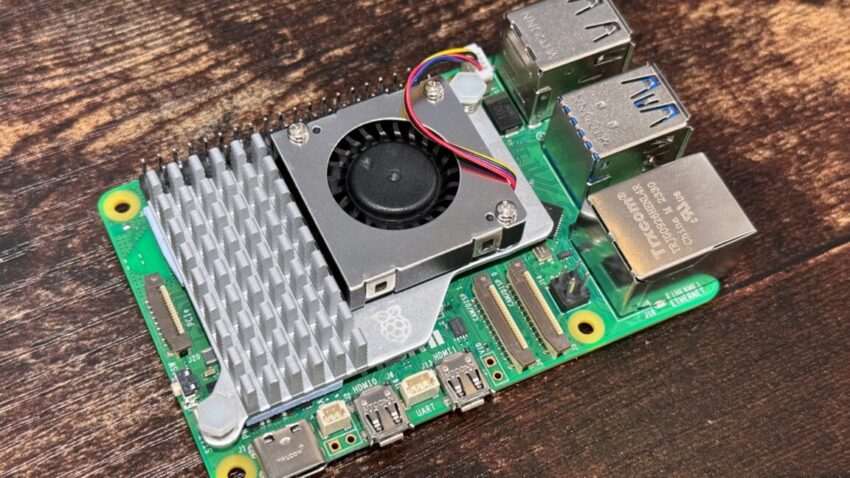
ongoing ram crisis prompts raspberry pi s The ongoing RAM crisis has led to a significant price increase for Raspberry Pi products, marking the second hike in just two months.
ongoing ram crisis prompts raspberry pi s
Understanding the RAM Crisis
The current landscape of the semiconductor industry is heavily influenced by a series of disruptions that have been exacerbated by the rise of artificial intelligence (AI) technologies. The demand for memory and storage chips has surged, particularly for RAM kits and solid-state drives (SSDs) used by PC builders. This surge in demand has resulted in widespread shortages, impacting various sectors that rely on these essential components.
As AI applications become more prevalent, the need for high-performance computing has intensified. This has led to an increased consumption of RAM and storage solutions, causing manufacturers to struggle to keep up with the demand. The implications of this crisis extend beyond just the PC building community; they affect a wide range of products and industries that utilize these chips.
Raspberry Pi’s Response to the Crisis
In light of these ongoing challenges, Raspberry Pi CEO Eben Upton announced a price increase for most of the company’s single-board computers. This marks the second price adjustment in a short span, indicating the severity of the situation. The price hikes will affect various models of the Raspberry Pi 4 and Raspberry Pi 5, specifically those equipped with 2GB or more of LPDDR4 RAM.
Details of the Price Increases
The new pricing structure is as follows:
- 2GB boards will see an increase of $10.
- 4GB boards will rise by $15.
- 8GB boards will experience a hike of $30.
- 16GB boards will increase by $60.
Additionally, the price adjustments will apply to the Compute Module 4 and 5, as well as the Raspberry Pi 500, which is a computer integrated into a keyboard. These changes reflect the rising costs of production and the challenges in sourcing the necessary components.
Implications for Consumers and Developers
The price hikes are likely to have a ripple effect on consumers and developers who rely on Raspberry Pi products for various applications. For hobbyists and educators, the increased costs may limit access to these affordable computing solutions, which have been instrumental in promoting learning and innovation in technology.
Developers who utilize Raspberry Pi boards for prototyping and product development may also face challenges. The increased costs could lead to higher prices for end products, affecting the overall market for DIY electronics and embedded systems. This could stifle innovation in sectors that depend on affordable computing solutions, particularly in education and small-scale projects.
Market Reactions and Stakeholder Perspectives
The announcement of the price increase has elicited mixed reactions from the community. Many enthusiasts and developers understand the necessity of the price adjustments in light of the global semiconductor crisis. However, there is also a sense of frustration among users who have come to rely on Raspberry Pi products for their affordability and accessibility.
Some stakeholders have expressed concerns that continued price hikes could alienate a segment of the user base that includes students and educators. The Raspberry Pi Foundation has historically aimed to provide low-cost computing solutions to promote learning in technology and programming. As prices rise, the foundation’s mission may be challenged, potentially limiting access for those who benefit the most from these resources.
Broader Context of the Semiconductor Shortage
The semiconductor shortage is not a new phenomenon; it has been a growing concern for several years. Factors contributing to this crisis include the COVID-19 pandemic, geopolitical tensions, and an increased demand for electronics across various sectors. The pandemic disrupted supply chains, leading to production delays and reduced output from manufacturing facilities.
As the world shifted to remote work and online learning, the demand for electronic devices surged, further straining the already fragile supply chain. This has resulted in prolonged lead times for components and increased prices across the board, affecting everything from consumer electronics to automotive industries.
The Role of AI in the Shortage
AI technologies have played a significant role in exacerbating the semiconductor shortage. The rise of machine learning and data-intensive applications has led to an unprecedented demand for high-performance computing resources. Companies are investing heavily in AI infrastructure, which requires substantial amounts of RAM and storage. This has created a competitive environment where companies are vying for limited resources, driving prices up even further.
Future Outlook for Raspberry Pi and the Semiconductor Market
Looking ahead, the future of Raspberry Pi products and the broader semiconductor market remains uncertain. While the current price hikes are a response to immediate challenges, it is unclear how long these conditions will persist. Industry experts suggest that the semiconductor shortage may continue well into 2024, if not longer, as manufacturers work to ramp up production and address supply chain issues.
For Raspberry Pi, the company may need to explore alternative strategies to mitigate the impact of rising costs. This could include diversifying suppliers, investing in new manufacturing technologies, or even developing new product lines that require less memory and storage. The company has a history of innovation and adaptability, which may serve it well in navigating these turbulent times.
Conclusion
The ongoing RAM crisis has prompted Raspberry Pi to implement its second price hike in two months, reflecting the broader challenges facing the semiconductor industry. As the demand for memory and storage chips continues to rise, consumers and developers alike must grapple with the implications of these price increases. While the Raspberry Pi Foundation has aimed to provide accessible computing solutions, the current landscape poses significant challenges to its mission. The future remains uncertain, but the resilience and adaptability of the Raspberry Pi community will be crucial in overcoming these obstacles.
Source: Original report
Was this helpful?
Last Modified: February 3, 2026 at 7:42 am
0 views