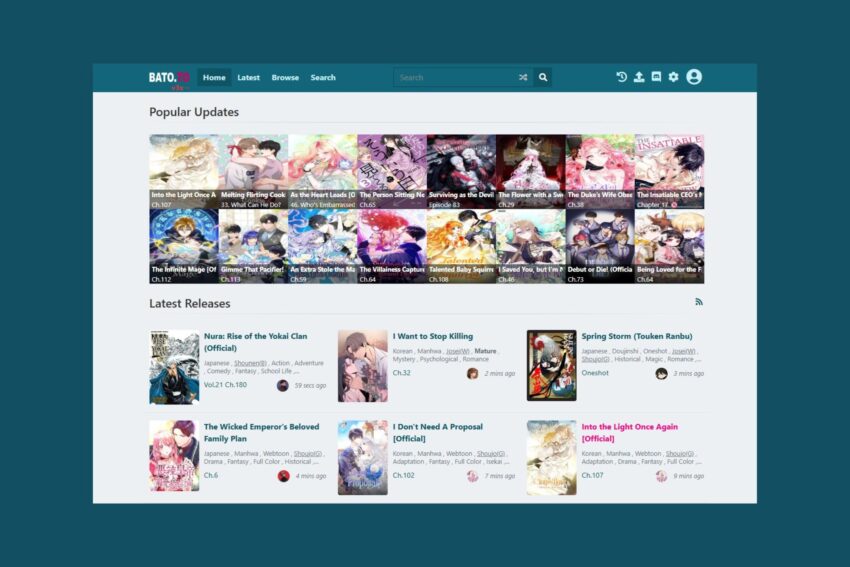
one of the biggest manga piracy networks Japan’s anti-piracy coalition has successfully dismantled one of the largest manga piracy networks in the world, marking a significant victory for copyright enforcement in the digital age.
one of the biggest manga piracy networks
Background of the Operation
The crackdown on piracy has been a long-standing issue for the manga industry, which has faced significant challenges from unauthorized distribution platforms. The Content Overseas Distribution Association (CODA), a coalition formed by Japanese publishers to combat piracy, has been at the forefront of these efforts. On November 19th, CODA announced the arrest of an individual suspected of copyright infringement, who has reportedly confessed to operating Bato.to and around 60 associated sites, including xbato.com and mangapark.io.
Bato.to, which launched in 2014, quickly became one of the most recognizable platforms for “scanalation.” This term refers to the practice of scanning manga, manhwa, and other comics, editing them, and adding translated text, often without the permission of the original creators. Such platforms have gained popularity due to their extensive libraries and free access, attracting millions of users worldwide.
The Rise of Bato.to
Since its inception, Bato.to has grown exponentially, becoming a hub for fans who sought access to manga that may not have been officially translated or available in their regions. The site offered a wide range of titles, from mainstream hits to niche works, making it a go-to destination for manga enthusiasts. This growth was fueled by the increasing demand for manga outside of Japan, particularly in Western markets where fans were eager for content that was often delayed or unavailable through official channels.
However, the success of Bato.to and similar sites came at a cost to the manga industry. Publishers and creators reported significant revenue losses due to the widespread availability of pirated content. The unauthorized distribution of their work not only affected sales but also undermined the efforts of artists and writers who rely on royalties for their livelihood.
Collaboration Between Authorities
The operation to shut down Bato.to involved a coordinated effort between Japanese publishers and Chinese authorities. This collaboration highlights the global nature of copyright infringement and the need for international cooperation to combat it effectively. The investigation revealed that Bato.to was not just a standalone site but part of a larger network that included numerous other piracy sites, complicating the enforcement of copyright laws.
CODA’s announcement of the arrest was a pivotal moment in the fight against piracy. The individual apprehended is believed to have played a crucial role in managing the operations of Bato.to and its affiliated sites. By admitting to his involvement, he provided valuable insights into the inner workings of the piracy network, which could lead to further actions against other sites and individuals engaged in similar activities.
Impact on the Manga Industry
The shutdown of Bato.to is expected to have significant implications for the manga industry. While it is a major victory for copyright enforcement, it also raises questions about the future of digital manga distribution. Publishers are now faced with the challenge of ensuring that fans have access to legal alternatives that meet their needs.
In recent years, several legitimate platforms have emerged to provide readers with access to manga through subscription services and digital sales. Companies like VIZ Media, Crunchyroll, and ComiXology have made strides in offering a wide range of titles, often simultaneously with their Japanese releases. However, the challenge remains to compete with the free access provided by piracy sites.
Legal Alternatives
As the manga industry adapts to the changing landscape, it is crucial for publishers to promote legal alternatives effectively. This includes not only expanding their libraries but also improving user experience and accessibility. Some strategies that could be employed include:
- Simultaneous Releases: Ensuring that new titles are available to international audiences at the same time as their Japanese counterparts can help reduce the appeal of piracy.
- Affordable Subscription Models: Offering competitive pricing for subscription services can attract users who might otherwise turn to piracy for free access.
- Engagement with Fans: Building a community around legal platforms through social media and events can foster loyalty and encourage readers to support creators.
Stakeholder Reactions
The response to the shutdown of Bato.to has been mixed among stakeholders in the manga industry. Publishers and creators have largely welcomed the news, viewing it as a necessary step in protecting their intellectual property. Many creators have expressed gratitude for the efforts of CODA and the authorities involved, emphasizing the importance of safeguarding their work from unauthorized distribution.
On the other hand, some fans have voiced concerns about the implications of such crackdowns on access to manga. While many recognize the need to support creators, there is also a strong sentiment among fans about the importance of availability and accessibility. Some argue that the high prices of official translations and the limited availability of certain titles can drive readers to seek out pirated content.
Balancing Copyright and Accessibility
As the manga industry grapples with these challenges, finding a balance between enforcing copyright and ensuring accessibility will be crucial. The success of legal alternatives will depend on how well publishers can address the needs and preferences of readers while also protecting the rights of creators.
The Future of Manga Distribution
The closure of Bato.to serves as a reminder of the ongoing battle against piracy in the digital age. While this operation is a significant victory, it is unlikely to be the last. As long as there is demand for manga, there will be individuals and groups willing to exploit that demand through unauthorized channels.
Looking ahead, the manga industry must continue to innovate and adapt to the changing landscape. This includes exploring new distribution models, enhancing digital platforms, and fostering a culture of respect for intellectual property. By doing so, the industry can work towards a future where creators are fairly compensated for their work while readers have access to a diverse range of content.
Conclusion
The shutdown of one of the largest manga piracy networks is a significant development in the ongoing fight against copyright infringement. As the industry reflects on this victory, it must also consider the broader implications for the future of manga distribution. By prioritizing accessibility and supporting legal alternatives, the manga community can work towards a sustainable model that benefits both creators and fans.
Source: Original report
Was this helpful?
Last Modified: January 30, 2026 at 4:41 pm
7 views