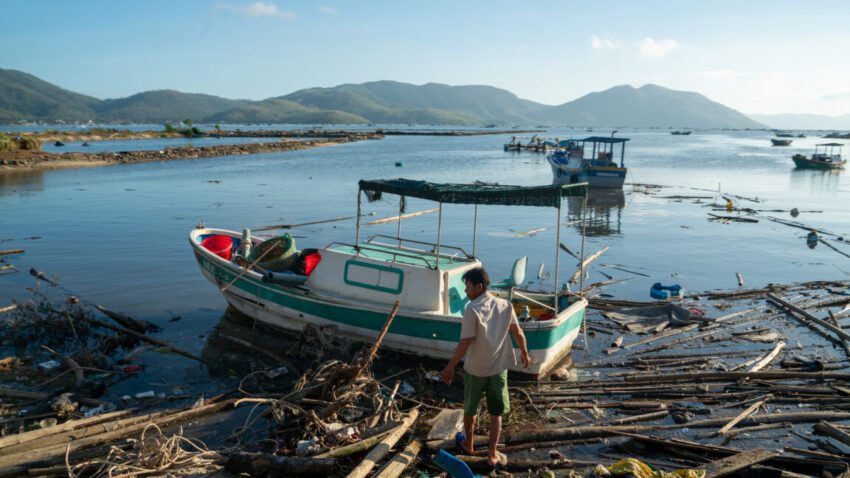
ocean damage nearly doubles the cost of The latest research indicates that the financial implications of greenhouse gas emissions are significantly higher than previously estimated, primarily due to the overlooked damages to ocean ecosystems.
ocean damage nearly doubles the cost of
Introduction to the Study
On Thursday, researchers from the University of California, San Diego’s Scripps Institution of Oceanography published a groundbreaking study that reveals the global cost of greenhouse gas emissions is nearly double what scientists had previously estimated. This study marks a pivotal moment in climate economics, as it is the first to incorporate damages to ocean ecosystems into the social cost of carbon (SCC) assessment. The SCC is a crucial metric that quantifies the economic harm caused by climate change, and the findings of this research fundamentally alter our understanding of climate finance.
Key Findings
Economic Impact of Ocean Damage
The study estimates that global coral loss, disruptions to fisheries, and destruction of coastal infrastructure collectively cost nearly $2 trillion annually. This staggering figure underscores the necessity of including ocean-related damages in climate change assessments. The implications of these findings are profound, as they challenge the long-held belief that the economic costs of climate change were primarily terrestrial.
Historical Context of Climate Cost Assessments
For decades, climate economists have focused on land-based impacts, often assigning a value of zero to oceanic losses. This oversight has resulted in a significant underestimation of the true economic costs of climate change. Bernardo Bastien-Olvera, the lead author of the study and a postdoctoral fellow at Scripps, emphasized this point: “For decades, we’ve been estimating the economic cost of climate change while effectively assigning a value of zero to the ocean.” This statement highlights a critical gap in climate economics that has persisted for too long.
Components of Ocean Damage
Coral Loss
Coral reefs are among the most biodiverse ecosystems on the planet, providing habitat for countless marine species and serving as a natural barrier against coastal erosion. The study indicates that coral loss is a significant contributor to the overall economic impact, as it not only affects marine biodiversity but also undermines the livelihoods of communities that depend on these ecosystems for fishing and tourism.
Fisheries Disruption
The disruption of fisheries is another critical aspect of ocean damage. Overfishing, pollution, and climate change have led to declining fish stocks, which in turn jeopardizes food security for millions of people worldwide. The economic ramifications of this disruption extend beyond the immediate loss of fish; they also affect local economies that rely on fishing as a primary source of income. The study’s findings suggest that the economic costs associated with fisheries disruption are substantial and warrant urgent attention.
Coastal Infrastructure Destruction
Coastal infrastructure, including ports, roads, and homes, is increasingly vulnerable to the impacts of climate change, such as rising sea levels and extreme weather events. The destruction of this infrastructure not only incurs immediate repair costs but also has long-term economic implications. Communities face increased insurance premiums, decreased property values, and potential displacement, all of which contribute to the overall economic burden of climate change.
Implications for Climate Finance
The findings of this study have significant implications for climate finance, particularly in how governments and organizations allocate resources to combat climate change. By recognizing the economic costs associated with ocean damage, policymakers can make more informed decisions regarding investments in climate adaptation and mitigation strategies.
Revising Climate Policies
One of the most pressing implications of this research is the need to revise existing climate policies. Traditional approaches to climate finance have often prioritized land-based initiatives, such as reforestation and renewable energy projects, while neglecting the ocean’s role in climate resilience. This study advocates for a more holistic approach that includes ocean conservation and restoration as essential components of climate action.
International Cooperation
Addressing the economic costs associated with ocean damage will require international cooperation. Climate change is a global issue that transcends national borders, and the health of the oceans is a shared responsibility. Countries must work together to develop policies that protect marine ecosystems and promote sustainable fishing practices. Collaborative efforts, such as the United Nations’ Sustainable Development Goals, can provide a framework for addressing these challenges on a global scale.
Stakeholder Reactions
Academic Community
The academic community has responded positively to the study, recognizing its potential to reshape the discourse around climate economics. Experts in environmental science and economics have praised the researchers for their innovative approach to quantifying ocean damage. Many believe that this study will serve as a catalyst for further research in the field, encouraging other scientists to explore the economic implications of ocean health.
Policy Makers
Policymakers are also taking note of the study’s findings. As governments grapple with the realities of climate change, the inclusion of ocean damage in economic assessments may prompt a reevaluation of funding priorities. Some policymakers have expressed a commitment to integrating ocean conservation into climate action plans, recognizing that a healthy ocean is vital for sustainable development.
Environmental Advocates
Environmental advocates have welcomed the study as a significant step forward in the fight against climate change. Organizations focused on marine conservation are using the findings to bolster their arguments for stronger protections for ocean ecosystems. They argue that investing in ocean health is not only an environmental imperative but also an economic necessity.
Conclusion
The research conducted by the Scripps Institution of Oceanography marks a turning point in our understanding of the economic costs of climate change. By incorporating ocean damage into the social cost of carbon assessment, the study reveals that the financial implications of greenhouse gas emissions are nearly double what was previously estimated. This new perspective emphasizes the importance of protecting our oceans as a critical component of climate action.
As the world continues to confront the challenges posed by climate change, it is essential for policymakers, researchers, and advocates to recognize the interconnectedness of terrestrial and marine ecosystems. The findings of this study serve as a clarion call for a more comprehensive approach to climate finance—one that values the ocean not just as an environmental asset but as a vital economic resource.
Source: Original report
Was this helpful?
Last Modified: January 19, 2026 at 1:36 am
6 views