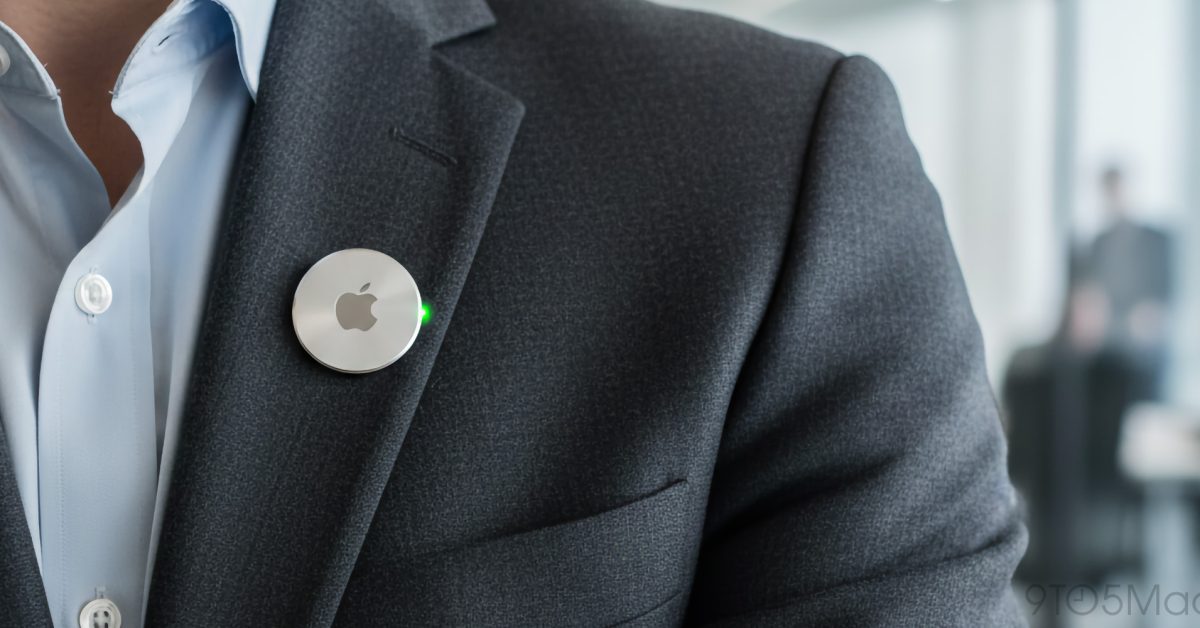
not to be outdone by openai apple Apple is reportedly in the advanced stages of developing an artificial intelligence (AI) wearable device, potentially set to launch as early as 2027.
not to be outdone by openai apple
Overview of Apple’s AI Wearable Development
As the tech landscape evolves, companies are increasingly integrating artificial intelligence into their products. Apple, known for its innovative approach, is now reportedly working on an AI wearable that could redefine user interaction with technology. This development comes in the wake of significant advancements in AI by competitors, particularly OpenAI, which has made headlines with its cutting-edge AI technologies.
Potential Features of the AI Wearable
While specific details about the wearable remain scarce, industry insiders speculate that it may incorporate several advanced features aimed at enhancing user experience. These features could include:
- Health Monitoring: Building on the success of the Apple Watch, the new wearable may offer enhanced health tracking capabilities, such as advanced biometric sensors that monitor vital signs, sleep patterns, and even mental health indicators.
- AI-Powered Personal Assistant: The device could leverage AI to provide a more intuitive personal assistant experience, potentially integrating with Siri to offer real-time suggestions and reminders based on user behavior and preferences.
- Augmented Reality (AR) Integration: Given Apple’s interest in AR technologies, the wearable may feature AR capabilities, allowing users to interact with digital content in their physical environment seamlessly.
- Customizable User Interface: Utilizing AI, the wearable might adapt its interface based on user habits, making it easier for individuals to access the information they need quickly.
Market Context and Competition
The wearable technology market has seen significant growth in recent years, driven by increasing consumer interest in health and fitness tracking, as well as the convenience of having technology integrated into everyday life. According to industry reports, the global wearable technology market is expected to reach $60 billion by 2023, with a compound annual growth rate (CAGR) of over 15%.
Apple’s entry into the AI wearable space is not without competition. Companies like Fitbit, Garmin, and Samsung have established themselves in the market, offering a range of devices that cater to health-conscious consumers. Additionally, tech giants such as Google are also investing heavily in AI and wearable technology, further intensifying the competitive landscape.
Implications of Apple’s AI Wearable
If Apple successfully launches its AI wearable, it could have far-reaching implications for both the company and the broader tech industry. Here are some potential impacts:
Consumer Adoption and Market Dynamics
Apple’s reputation for quality and innovation could drive significant consumer interest in its AI wearable. The company has a loyal customer base that often eagerly anticipates new product releases. If the wearable meets or exceeds expectations, it could lead to a surge in adoption, influencing market dynamics and encouraging other companies to accelerate their own AI wearable developments.
Advancements in Health Technology
With a focus on health monitoring, Apple’s AI wearable could contribute to advancements in personal health technology. By providing users with more accurate and actionable health data, the device could empower individuals to take charge of their health and wellness. This aligns with a growing trend towards preventive healthcare, where technology plays a crucial role in monitoring and managing health conditions.
Integration with Existing Ecosystems
Apple’s ecosystem is known for its seamless integration across devices. The new AI wearable could enhance this ecosystem, allowing users to connect their wearable with other Apple products, such as the iPhone, iPad, and Mac. This interconnectedness could lead to a more cohesive user experience, where data flows effortlessly between devices, providing users with a comprehensive view of their health and daily activities.
Stakeholder Reactions
Reactions from industry stakeholders regarding Apple’s potential AI wearable have been mixed. Analysts and market experts are keenly observing the developments, as the wearable could set new standards in the industry.
Industry Analysts’ Perspectives
Many industry analysts believe that Apple’s entry into the AI wearable market could catalyze innovation across the sector. “Apple has a unique ability to redefine markets,” said a leading tech analyst. “If they can successfully integrate AI into a wearable, it could push competitors to rethink their strategies and accelerate their own developments.”
Consumer Sentiment
Consumer sentiment is also a critical factor. Early indications suggest that potential users are excited about the prospect of an AI wearable from Apple. Focus groups have indicated a strong interest in devices that offer personalized health insights and enhanced connectivity. “People are looking for technology that not only tracks their fitness but also understands their lifestyle,” noted a consumer behavior expert.
Challenges Ahead
Despite the excitement surrounding the potential AI wearable, Apple may face several challenges as it moves forward with development.
Technical Hurdles
Integrating advanced AI capabilities into a wearable device presents significant technical challenges. The device must be lightweight, energy-efficient, and capable of processing complex data in real-time. Achieving this balance will require substantial research and development efforts.
Privacy and Security Concerns
As with any device that collects personal data, privacy and security will be paramount. Consumers are increasingly concerned about how their data is used and stored. Apple will need to ensure robust security measures are in place to protect user information, as any breach could severely damage the company’s reputation.
Market Saturation
The wearable market is becoming increasingly saturated, with numerous players offering similar products. Apple will need to differentiate its AI wearable from existing devices, emphasizing unique features and capabilities that resonate with consumers.
Conclusion
Apple’s reported development of an AI wearable represents a significant step in the evolution of wearable technology. With the potential to integrate advanced health monitoring, AI-powered assistance, and AR capabilities, the device could redefine how users interact with technology. As Apple prepares for a possible launch in 2027, the tech community will be closely watching to see how this development unfolds and what it means for the future of wearables.
Source: Original report
Was this helpful?
Last Modified: January 22, 2026 at 6:46 pm
7 views