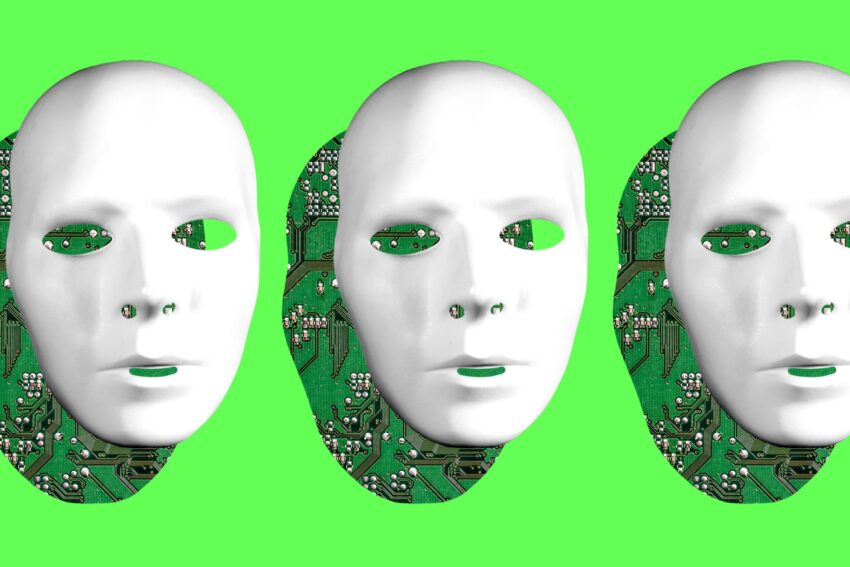
new york s new law forces advertisers New York has taken a significant step towards transparency in advertising by enacting a law that mandates the disclosure of AI-generated personas in advertisements.
new york s new law forces advertisers
Overview of the Legislation
On Thursday, New York Governor Kathy Hochul signed into law a groundbreaking bill, designated as S.8420-A/A.8887-B, which requires advertisers to clearly indicate when an advertisement features AI-generated individuals. This legislation is being hailed as the first of its kind in the United States, marking a pivotal moment in the intersection of technology and consumer rights. Hochul described the law as a “common sense” measure aimed at enhancing transparency and safeguarding consumers from potentially misleading representations.
Key Provisions of the Law
The law stipulates that any advertisement utilizing AI-generated avatars or personas must include a clear disclosure to inform viewers. This requirement is particularly significant given the rapid advancements in artificial intelligence technology, which have enabled the creation of hyper-realistic digital representations of people. The implications of this technology are profound, especially in advertising, where the line between reality and artificiality can easily blur.
In addition to the AI disclosure requirement, Governor Hochul also signed a separate bill that mandates entities to obtain consent from heirs or executors before using the name or likeness of a deceased individual for commercial purposes. This provision aims to protect the rights and legacies of individuals even after their passing, ensuring that their likeness is not exploited without permission.
Implications for the Advertising Industry
The introduction of this law comes at a time when the advertising industry is increasingly leveraging AI technologies to create more engaging and personalized content. While the use of AI can enhance creativity and efficiency, it also raises ethical concerns regarding authenticity and consumer trust. The requirement for transparency is expected to foster a more informed consumer base, allowing individuals to make better decisions about the content they engage with.
Consumer Protection and Transparency
One of the primary goals of this legislation is to protect consumers from deceptive advertising practices. With the rise of AI-generated content, consumers may unknowingly engage with advertisements featuring digital avatars that do not represent real individuals. This can lead to a range of issues, including false advertising and the manipulation of consumer perceptions.
By mandating disclosure, the law empowers consumers to discern between real and AI-generated representations, thereby enhancing their ability to critically evaluate the advertisements they encounter. This transparency is particularly crucial in an era where misinformation can spread rapidly, and consumers are increasingly wary of the authenticity of the content they consume.
Reactions from Stakeholders
The passage of this legislation has garnered a range of reactions from various stakeholders, including industry professionals, consumer advocacy groups, and legal experts.
Support from the Film Industry
Actors and filmmakers have expressed strong support for the new law, viewing it as a necessary step to address the challenges posed by AI in the entertainment sector. The use of AI-generated likenesses raises significant concerns regarding compensation and intellectual property rights. Many actors fear that their images could be replicated without their consent, leading to potential exploitation.
By requiring disclosure, the law provides a framework for accountability, ensuring that actors are informed when their likenesses are being used, even in a digital format. This is particularly relevant in light of ongoing discussions about fair compensation for actors in an industry increasingly influenced by AI technologies.
Concerns from Advertisers
Conversely, some advertisers have raised concerns about the implications of the new law for creativity and innovation in advertising. The requirement for disclosure may complicate the creative process, as advertisers will need to navigate the legal landscape while developing campaigns that incorporate AI-generated content. Some industry professionals worry that this could stifle creativity and limit the potential of AI technologies in advertising.
Moreover, there are questions about how the law will be enforced and what penalties may be imposed for non-compliance. Advertisers are keen to understand the practical implications of the legislation and how it will affect their operations moving forward.
Broader Context of AI in Advertising
The enactment of this law in New York reflects a growing recognition of the need for regulation in the rapidly evolving landscape of artificial intelligence. As AI technologies become more integrated into various sectors, including advertising, healthcare, and finance, the demand for ethical guidelines and transparency is increasing.
Global Trends in AI Regulation
New York’s legislation is part of a broader trend of regulatory efforts aimed at addressing the challenges posed by AI. In recent years, several countries and regions have begun to implement regulations governing the use of AI technologies, particularly in areas such as data privacy, algorithmic accountability, and consumer protection.
For instance, the European Union has been at the forefront of AI regulation, proposing comprehensive frameworks that seek to ensure ethical AI development and deployment. These efforts underscore the importance of establishing clear guidelines to protect individuals and society from the potential harms associated with AI technologies.
Future Considerations
As the advertising industry adapts to the new legal landscape, several key considerations will emerge. First and foremost, advertisers will need to develop clear strategies for compliance with the disclosure requirements. This may involve revisiting existing campaigns and ensuring that appropriate disclosures are included in all AI-generated content.
Impact on Consumer Trust
Furthermore, the law has the potential to reshape consumer trust in advertising. By fostering transparency, advertisers may find that consumers are more willing to engage with their content, knowing that they are being informed about the nature of the representations being made. This could lead to a more positive relationship between consumers and brands, ultimately benefiting both parties.
Potential for Expansion
Looking ahead, there is potential for similar legislation to be enacted in other states and regions. As the implications of AI technologies continue to unfold, lawmakers may seek to address the challenges posed by AI in various sectors, including marketing, entertainment, and beyond. The New York law may serve as a model for future regulatory efforts aimed at ensuring ethical and transparent practices in the use of AI.
Conclusion
New York’s new law mandating the disclosure of AI-generated personas in advertisements represents a significant advancement in consumer protection and transparency. As the advertising industry grapples with the implications of this legislation, stakeholders will need to navigate the evolving landscape of AI technologies while prioritizing ethical practices. The law not only addresses immediate concerns regarding authenticity and representation but also sets a precedent for future regulatory efforts in the realm of artificial intelligence.
Source: Original report
Was this helpful?
Last Modified: December 12, 2025 at 2:36 am
0 views