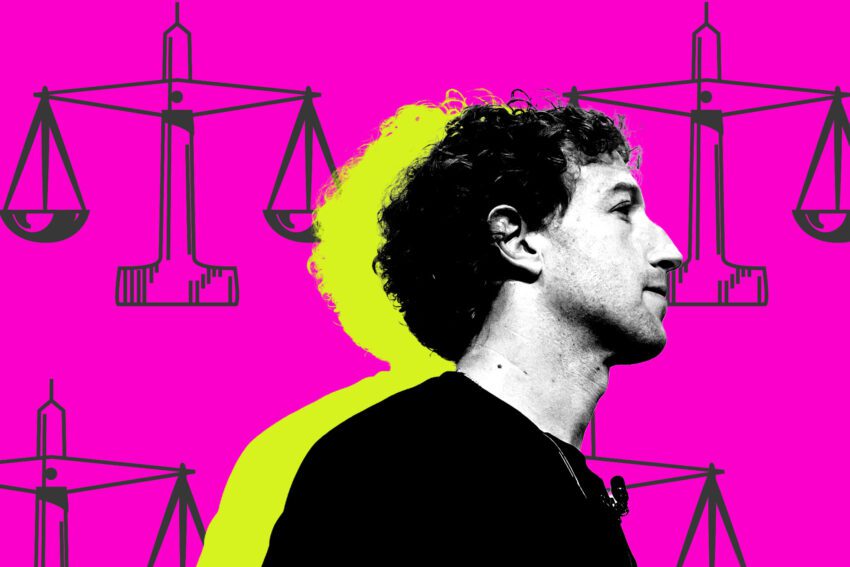
new mexico goes to trial to accuse The state of New Mexico has initiated a groundbreaking legal battle against Meta, accusing the tech giant of enabling child predators through its platforms, Facebook and Instagram.
new mexico goes to trial to accuse
Background of the Case
This trial marks a significant moment in the ongoing debate surrounding social media liability, particularly regarding the protection of minors. The New Mexico Attorney General’s office has taken a firm stance, asserting that Meta has not only failed to protect its young users but has actively misled the public about the safety of its platforms. The case is emblematic of broader concerns about the impact of social media on youth, particularly in the wake of various studies linking social media usage to mental health issues among teenagers.
At the heart of the allegations is the claim that Meta’s executives, including CEO Mark Zuckerberg, have made public statements that contradict internal research and discussions about the dangers posed by their platforms. The state argues that these discrepancies demonstrate a willful neglect of the safety of young users, prioritizing profits and user engagement over their well-being.
Key Allegations Against Meta
The New Mexico Attorney General, Raúl Torrez, has laid out several key allegations against Meta, which he argues illustrate a pattern of negligence and deception:
- Internal Research vs. Public Statements: The state claims that Meta’s internal studies have consistently shown that Facebook and Instagram can be harmful to teenagers, particularly in relation to issues such as body image, mental health, and exposure to predatory behavior. However, public statements from Meta executives have often downplayed these risks, presenting a sanitized version of the platforms’ impact on youth.
- Profit Over Safety: The Attorney General’s office argues that Meta has prioritized profit margins and user engagement metrics over the safety of its younger users. This alleged prioritization has led to insufficient measures being taken to protect minors from potential harm.
- Failure to Act on Known Risks: The state contends that Meta was aware of the risks associated with its platforms but failed to implement adequate safety measures. This includes a lack of robust reporting mechanisms for users to flag inappropriate content or behavior.
Meta’s Defense
In response to these allegations, Meta has mounted a vigorous defense. Kevin Huff, an attorney representing the company, argues that the state’s claims are unfounded and that Meta has taken significant steps to ensure the safety of its users, particularly minors. He emphasized that the company has invested heavily in safety features, including content moderation and user reporting tools, aimed at protecting vulnerable populations.
Huff also pointed out that social media platforms, including Facebook and Instagram, are not inherently dangerous. He argued that these platforms provide valuable opportunities for connection and self-expression, particularly for young people. According to Huff, the responsibility for ensuring safety should also lie with parents and guardians, who play a crucial role in monitoring their children’s online activities.
Implications of the Trial
The outcome of this trial could have far-reaching implications for the tech industry, particularly concerning how social media companies are held accountable for the safety of their users. If the state of New Mexico succeeds in its case, it could set a precedent for other states to pursue similar legal actions against Meta and other social media platforms.
Moreover, a ruling in favor of New Mexico could prompt significant changes in how social media companies operate. This could include:
- Increased Regulation: A successful case could lead to calls for stricter regulations governing social media platforms, particularly regarding the protection of minors. Lawmakers may feel compelled to enact new laws that hold companies accountable for user safety.
- Changes in Business Practices: Social media companies may be forced to reevaluate their business practices, particularly those that prioritize engagement and profit over user safety. This could lead to a shift in how these companies approach content moderation and user interactions.
- Enhanced Transparency: The trial could lead to demands for greater transparency from social media companies regarding their internal research and safety measures. Users and regulators may seek more insight into how these platforms operate and the steps taken to protect vulnerable populations.
Stakeholder Reactions
The reactions to the trial have been varied, with stakeholders from different sectors weighing in on the implications of the case. Advocacy groups focused on child safety have expressed support for New Mexico’s efforts, arguing that social media companies must be held accountable for the risks they pose to young users.
Organizations such as the National Center for Missing & Exploited Children have emphasized the need for stronger protections for minors online. They argue that social media platforms must take a more proactive approach to prevent exploitation and abuse, particularly given the increasing prevalence of online predators.
Conversely, some industry experts have raised concerns about the potential consequences of the trial. They argue that holding social media companies liable for user behavior could lead to unintended consequences, such as increased censorship or the removal of valuable resources for young people. These experts caution against overregulation, which could stifle innovation and limit the benefits that social media can provide.
Broader Context of Social Media and Youth Safety
The trial comes at a time when concerns about the impact of social media on youth are at an all-time high. Numerous studies have highlighted the potential risks associated with social media use, including increased rates of anxiety, depression, and body image issues among teenagers. The rise of cyberbullying and online harassment has also raised alarms, prompting calls for more robust safety measures.
In recent years, lawmakers and regulators around the world have begun to take a closer look at the role of social media in shaping the lives of young people. In the United States, various states have introduced legislation aimed at enhancing protections for minors online. Similarly, countries in Europe have enacted regulations requiring social media companies to take stronger measures to protect users, particularly children.
Looking Ahead
As the trial unfolds, it will be closely watched by legal experts, policymakers, and advocates alike. The outcome could shape the future of social media regulation and accountability, particularly in relation to the safety of young users. Regardless of the verdict, the case underscores the urgent need for a comprehensive approach to addressing the challenges posed by social media, particularly for vulnerable populations.
In conclusion, the New Mexico trial against Meta represents a pivotal moment in the ongoing discourse surrounding social media and its impact on youth. As the case progresses, it will serve as a critical test of the balance between innovation, user safety, and corporate responsibility in the digital age.
Source: Original report
Was this helpful?
Last Modified: February 10, 2026 at 7:38 am
3 views