netflix says users can cancel service if Netflix has addressed concerns regarding potential price increases for subscribers if it acquires Warner Bros. Discovery’s streaming and movie studio businesses.
netflix says users can cancel service if
Concerns Over Subscription Costs
As the streaming landscape continues to evolve, the proposed acquisition of Warner Bros. Discovery (WBD) by Netflix has raised significant concerns among consumers and industry analysts alike. One of the primary fears is that the merger could lead to higher subscription prices due to reduced competition in the market. With Netflix already holding a dominant position as the largest subscription video-on-demand (SVOD) provider, the acquisition of WBD could potentially consolidate its power further, leading to increased costs for subscribers.
Senate Hearing on the Merger
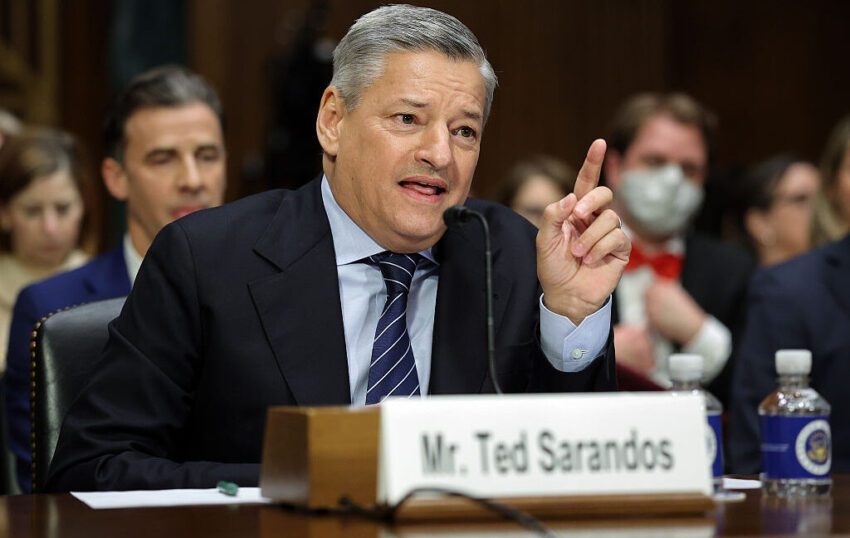
On February 15, 2026, Netflix co-CEO Ted Sarandos appeared before the U.S. Senate Judiciary Committee’s Subcommittee on Antitrust, Competition Policy, and Consumer Rights. The hearing was titled “Examining the Competitive Impact of the Proposed Netflix-Warner Brothers Transaction.” During this session, Sarandos aimed to alleviate fears regarding the merger’s implications for competition and pricing in the streaming industry.
In his testimony, Sarandos argued that the merger would not result in Netflix becoming a monopoly in the streaming or movie and television production sectors. He emphasized that the acquisition would allow Netflix to enhance its content offerings, ultimately benefiting subscribers. Sarandos stated, “We believe that our acquisition of WBD will lead to more content for our subscribers at a lower cost.” This assertion is significant, as it directly counters the prevailing sentiment that fewer competitors could lead to price hikes.
Current Market Landscape
To understand the implications of the proposed merger, it is essential to examine the current streaming market landscape. As of January 2025, Netflix boasted approximately 301.63 million subscribers, making it the leading player in the SVOD market. In contrast, Warner Bros. Discovery, which includes HBO Max and Discovery+, had around 128 million streaming subscribers. The combination of these two giants could create a formidable entity in the streaming arena.
However, the streaming market is not without its challenges. Competition remains fierce, with numerous players vying for consumer attention. Services such as Disney+, Amazon Prime Video, Hulu, and Apple TV+ continue to expand their offerings and subscriber bases. This competitive environment has historically kept subscription prices in check, as companies strive to attract and retain viewers.
Implications of Reduced Competition
One of the most significant concerns surrounding the merger is the potential for reduced competition. Critics argue that if Netflix acquires WBD, it could stifle innovation and lead to higher prices. The fear is that with fewer competitors in the market, Netflix may feel less pressure to provide value to its subscribers. This concern is compounded by the fact that streaming services have already seen price increases in recent years, prompting many consumers to question the sustainability of their subscriptions.
Moreover, the merger could have implications beyond just pricing. A consolidation of content libraries could lead to a homogenization of offerings, limiting the diversity of programming available to viewers. This could be particularly concerning for niche audiences who rely on a variety of content to meet their viewing preferences.
Netflix’s Strategy for Growth
In light of these concerns, Netflix has articulated a strategy focused on growth and content expansion. Sarandos highlighted that the acquisition of WBD would enable Netflix to leverage a broader range of intellectual properties and franchises, potentially leading to more original content that appeals to a wider audience. He stated, “With WBD’s extensive library and production capabilities, we can create more compelling stories that resonate with our subscribers.”
This approach aligns with Netflix’s long-term vision of becoming a one-stop destination for entertainment. By integrating WBD’s assets, Netflix aims to enhance its content offerings, which could include exclusive films, series, and documentaries. The potential for increased investment in original programming could ultimately benefit subscribers by providing them with a richer viewing experience.
Subscriber Reactions and Concerns
Despite Netflix’s assurances, subscriber reactions to the proposed merger have been mixed. Many users express skepticism about the company’s claims that prices will remain stable or even decrease. The fear of rising costs has led some subscribers to contemplate canceling their services if the merger results in higher fees. This sentiment was echoed during the Senate hearing, where several committee members voiced concerns about the potential impact on consumers.
One subscriber, who wished to remain anonymous, stated, “If Netflix becomes too expensive, I will have to reconsider my options. There are plenty of other streaming services out there.” This sentiment reflects a growing trend among consumers who are increasingly willing to switch providers if they feel that their current service is no longer delivering value.
Regulatory Scrutiny and Approval Process
The proposed merger is not without its regulatory hurdles. As Netflix seeks to acquire WBD, it must navigate a complex landscape of antitrust laws and regulations. The U.S. government has been increasingly vigilant in scrutinizing mergers and acquisitions, particularly in the tech and entertainment sectors. The Senate hearing represented just one aspect of the broader examination of the merger’s potential impact on competition and consumer choice.
Regulatory bodies will assess whether the merger would substantially lessen competition in the streaming market. If approved, the merger could set a precedent for future consolidations in the industry. Conversely, if regulators determine that the merger poses a threat to competition, it could be blocked or subjected to conditions aimed at preserving market dynamics.
Potential Outcomes of the Merger
The outcome of the merger will have far-reaching implications for the streaming industry. If approved, Netflix could emerge as an even more dominant player, potentially reshaping the competitive landscape. This could lead to a variety of outcomes, including:
- Increased Content Variety: The merger could result in a more extensive library of content, appealing to a broader range of viewers.
- Price Stability: If Netflix can successfully integrate WBD’s assets without raising prices, it may retain its subscriber base and attract new users.
- Innovation in Programming: The merger could spur innovation in content creation, leading to new formats and storytelling techniques.
- Market Consolidation: Conversely, if the merger leads to reduced competition, it could result in higher prices and fewer choices for consumers.
Conclusion
The proposed acquisition of Warner Bros. Discovery by Netflix has sparked significant debate regarding its potential impact on the streaming landscape. While Netflix co-CEO Ted Sarandos has assured consumers that the merger will lead to more content at lower prices, skepticism remains among subscribers and industry observers. As regulatory bodies scrutinize the merger, its outcome will play a crucial role in shaping the future of streaming services and consumer choices.
Ultimately, the merger’s success will depend on Netflix’s ability to navigate regulatory challenges, address consumer concerns, and deliver on its promises of enhanced content offerings. As the streaming market continues to evolve, the implications of this acquisition will be closely monitored by both industry stakeholders and subscribers alike.
Source: Original report
Was this helpful?
Last Modified: February 4, 2026 at 9:36 am
0 views