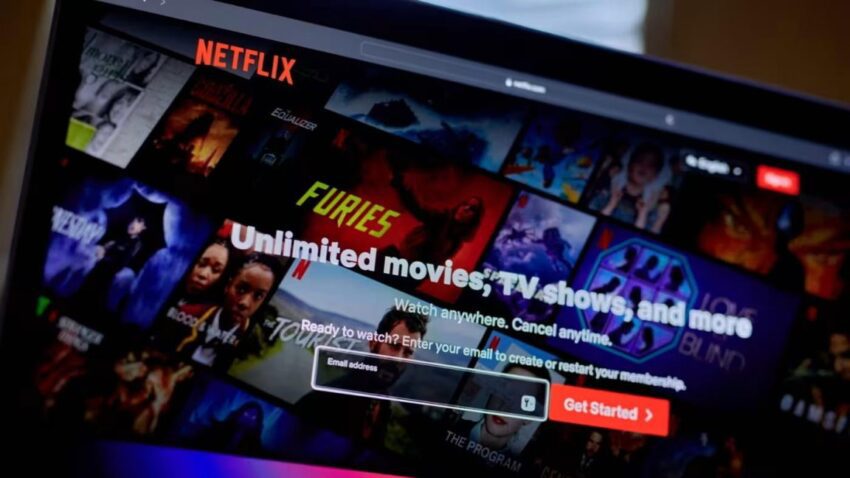
netflix quietly drops support for casting to Netflix has recently made a significant change to its casting capabilities, impacting how users can stream content to their televisions.
netflix quietly drops support for casting to
Overview of the Change
In a move that has caught many users off guard, Netflix has quietly updated its support for Google Cast, effectively disabling the feature in most scenarios. This change means that users attempting to cast content from their mobile devices to their TVs may find themselves unable to do so unless they subscribe to one of Netflix’s more expensive plans. Even with these higher-tier subscriptions, casting is limited to older television models and streaming dongles.
Background on Google Cast
The Google Cast technology has been a staple of streaming since the original Chromecast was launched in 2013. This feature allowed users to initiate video streams from their mobile devices to TVs and streaming boxes, which was particularly useful for devices that lacked their own remote controls or on-screen interfaces. The ability to cast content has been a significant selling point for many streaming services, including Netflix, as it provided a seamless way to enjoy content on larger screens.
Evolution of Streaming Technology
Over the years, the landscape of streaming technology has evolved dramatically. Initially, many TVs did not have built-in apps for popular streaming services. As a result, devices like Chromecast filled a crucial gap, enabling users to access their favorite shows and movies without needing a dedicated remote. However, as smart TVs have become more prevalent, most now come equipped with their own native Netflix applications, reducing reliance on casting technologies.
Netflix’s Strategic Shift
Netflix’s decision to limit casting options appears to be part of a broader strategy to control how its service is accessed and used. The company has been increasingly focused on combating password sharing and ensuring that users are accessing content in a manner that aligns with its business model. By restricting casting capabilities, Netflix may be attempting to encourage users to subscribe to its higher-tier plans, which offer additional features and benefits.
Implications for Users
This change has several implications for Netflix users. For one, it may lead to frustration among subscribers who have grown accustomed to the convenience of casting content from their mobile devices. Users who own newer smart TVs may find themselves unable to cast content directly from their phones, forcing them to navigate through the TV’s interface instead.
Impact on Viewing Experience
The viewing experience for many users may be negatively impacted by this change. For instance, families who enjoy watching shows together may find it cumbersome to switch between devices, especially if they are accustomed to casting content directly from their phones. This could lead to a decline in user satisfaction and may even push some subscribers to reconsider their Netflix subscriptions.
Reactions from Stakeholders
Reactions to Netflix’s decision have been mixed. Some users have expressed frustration on social media platforms, voicing their concerns about the inconvenience this change brings. Others have pointed out that the trend of limiting casting capabilities may be indicative of a larger issue within the streaming industry, where companies are increasingly prioritizing control over user experience.
Historical Context of Netflix’s Casting Features
Netflix’s relationship with casting technology has not always been straightforward. In 2019, the company made headlines when it removed support for Apple AirPlay, a similar casting feature for Apple devices. This decision was met with criticism, as many users relied on AirPlay to stream content to their TVs. The recent update to Google Cast appears to follow a similar pattern, suggesting that Netflix is taking a more restrictive approach to casting technologies.
Comparison with Competitors
As Netflix implements these changes, it is essential to consider how its competitors are handling casting technologies. Services like Hulu and Disney+ continue to support casting features, allowing users to enjoy content seamlessly across devices. This could give these platforms a competitive edge, particularly among users who prioritize flexibility and ease of use in their streaming experience.
Future of Streaming and Casting
The future of streaming and casting technologies remains uncertain. As more users adopt smart TVs with built-in applications, the reliance on casting features may diminish. However, for those who prefer the convenience of casting from their mobile devices, Netflix’s recent changes could be a significant setback.
Potential for User Adaptation
While some users may find the transition challenging, others may adapt to the new landscape by exploring alternative methods of accessing content. For instance, users may become more familiar with navigating their smart TVs’ interfaces or utilizing other streaming devices that support casting. However, this adaptation may not come without frustration, especially for those who have grown accustomed to the simplicity of casting.
Long-Term Implications for Netflix
In the long run, Netflix’s decision to limit casting capabilities could have significant implications for its subscriber base. If users feel that their viewing experience has been compromised, they may choose to explore other streaming options. This could lead to a decline in subscriptions, particularly if competitors continue to offer more user-friendly experiences.
Conclusion
Netflix’s recent decision to restrict casting capabilities through Google Cast marks a notable shift in its approach to streaming technology. While the company may have its reasons for implementing these changes, the impact on user experience cannot be overlooked. As the streaming landscape continues to evolve, it remains to be seen how these changes will affect Netflix’s standing in a competitive market.
Source: Original report
Was this helpful?
Last Modified: December 2, 2025 at 1:39 am
7 views