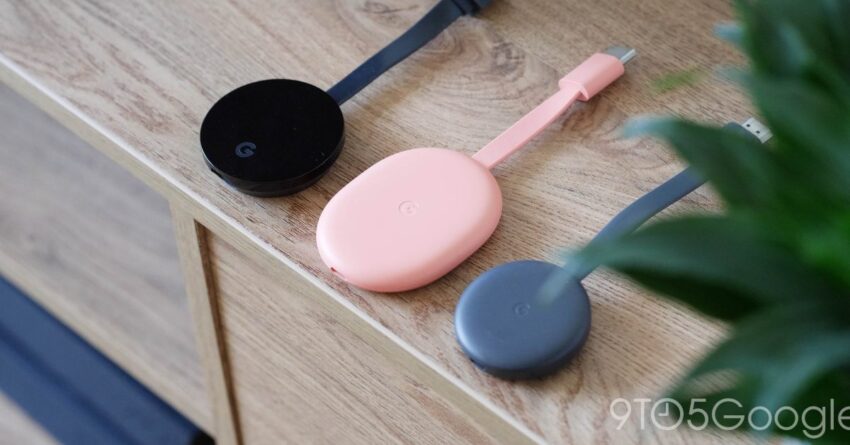
netflix likely killed off google cast support Netflix’s recent decision to discontinue support for Google Cast has raised eyebrows and sparked discussions among users and industry analysts alike.
netflix likely killed off google cast support
Background on Google Cast and Netflix
Google Cast, launched in 2013, allows users to stream content from their mobile devices or computers directly to their televisions. This technology has been integrated into various applications, enabling seamless streaming experiences. Netflix, one of the pioneering streaming services, adopted Google Cast early on, allowing subscribers to enjoy its extensive library of films and series on larger screens.
Over the years, Google Cast has evolved, with enhancements aimed at improving user experience and expanding compatibility with various devices. However, the landscape of streaming technology has also changed significantly. With the rise of smart TVs and built-in streaming capabilities, the reliance on casting from mobile devices has diminished. This shift may have influenced Netflix’s recent decision.
The Decision to End Google Cast Support
In January 2026, Netflix announced that it would no longer support Google Cast on its platform. This decision has left many users puzzled, especially those who frequently used the feature to stream content. According to a report, the reasoning behind this move appears to be straightforward: fewer users are casting content than before.
Declining Usage of Casting Features
As streaming technology has advanced, the way users consume content has evolved. Many modern smart TVs come equipped with native applications for popular streaming services, including Netflix. This means that users can access their favorite shows and movies directly from their TVs without needing to cast from another device. Consequently, the reliance on casting features has decreased significantly.
Industry analysts suggest that this trend is indicative of a broader shift in consumer behavior. As more households invest in smart TVs, the need for casting diminishes. Users are increasingly opting for direct access to apps on their television screens, which provides a more streamlined and user-friendly experience. This shift in behavior likely contributed to Netflix’s decision to phase out Google Cast support.
Implications for Users
The discontinuation of Google Cast support may have various implications for Netflix users. For those who relied on casting to enjoy content on larger screens, this change could be frustrating. Users who prefer to stream from their mobile devices may need to adapt to new methods of accessing Netflix on their TVs. This could involve using other casting technologies, such as Apple AirPlay, or utilizing built-in smart TV applications.
Moreover, the decision may signal a shift in Netflix’s overall strategy. By focusing on direct access through smart TVs and other devices, Netflix may be positioning itself to enhance user experience and streamline its operations. This could lead to improvements in app performance and user interface design, as the company concentrates on optimizing its service for the platforms that are most widely used.
Industry Reactions
The announcement has elicited varied reactions from industry stakeholders. Some analysts view the decision as a natural progression in the streaming landscape, while others express concern over the potential alienation of users who prefer casting features.
Support for the Decision
Proponents of Netflix’s decision argue that it reflects the changing dynamics of content consumption. As streaming technology continues to evolve, companies must adapt to user preferences and technological advancements. By discontinuing support for Google Cast, Netflix can focus its resources on enhancing its core offerings and improving the user experience on platforms that are more widely utilized.
Additionally, some industry experts believe that the move could lead to increased innovation within Netflix’s app ecosystem. By streamlining its services, the company may be better positioned to implement new features and improvements that cater to the evolving needs of its user base.
Concerns from Users
On the other hand, some users have expressed disappointment over the loss of Google Cast support. For many, casting has been a convenient way to enjoy Netflix content on larger screens without the need for additional devices. The discontinuation of this feature may lead to frustration among users who are accustomed to this method of streaming.
Furthermore, some users have raised concerns about the potential for increased fragmentation in the streaming landscape. With various casting technologies available, the discontinuation of Google Cast support could lead to confusion among users regarding which methods are still viable for streaming content. This fragmentation may complicate the user experience, particularly for those who are not tech-savvy.
Future of Streaming Technologies
The decision to end Google Cast support raises questions about the future of casting technologies in the streaming ecosystem. As smart TVs become more prevalent and integrated with streaming services, the need for casting may continue to decline. However, this does not necessarily mean that casting technologies will become obsolete.
Emerging Technologies
As the streaming landscape evolves, new technologies are likely to emerge. Companies may develop innovative solutions that enhance the streaming experience, making it easier for users to access content across multiple devices. For instance, advancements in voice recognition and artificial intelligence could lead to more intuitive ways of interacting with streaming services.
Additionally, as competition in the streaming industry intensifies, companies may seek to differentiate themselves through unique features and capabilities. This could result in the development of new casting technologies or enhancements to existing ones, catering to the diverse preferences of users.
Consumer Preferences
Understanding consumer preferences will be crucial for streaming services as they navigate the changing landscape. Companies must remain attuned to user behavior and adapt their offerings accordingly. This may involve conducting market research, gathering user feedback, and analyzing usage patterns to ensure that services align with the needs of their subscribers.
Conclusion
Netflix’s decision to discontinue support for Google Cast reflects the evolving nature of content consumption and the impact of technological advancements on user behavior. As smart TVs become the primary means of accessing streaming services, the reliance on casting features has diminished. While this move may frustrate some users, it also presents an opportunity for Netflix to streamline its operations and enhance the overall user experience.
As the streaming landscape continues to evolve, companies must remain agile and responsive to changing consumer preferences. The future of casting technologies remains uncertain, but it is clear that innovation will play a key role in shaping the way users interact with streaming services.
Source: Original report
Was this helpful?
Last Modified: January 16, 2026 at 10:52 pm
0 views