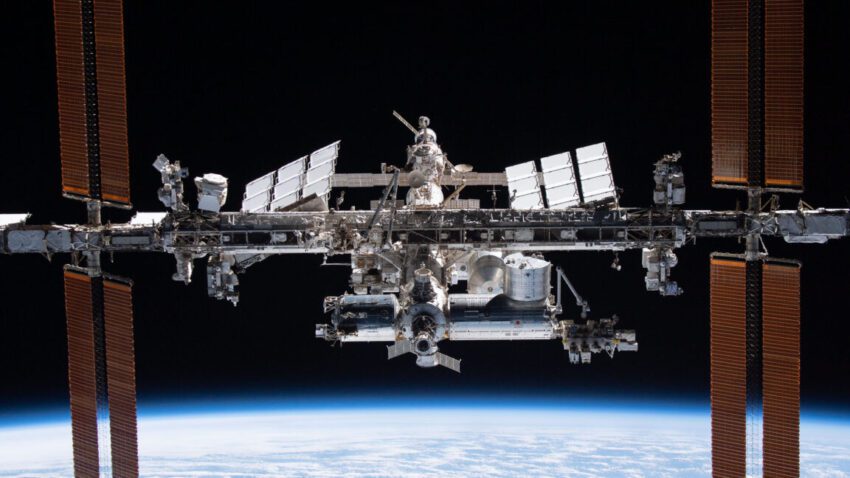
nasa orders controlled medical evacuation from the NASA has ordered a controlled medical evacuation of four crew members from the International Space Station (ISS) following a medical situation involving one of the astronauts.
nasa orders controlled medical evacuation from the
Overview of the Situation
On Thursday, NASA officials announced their decision to bring home four of the seven astronauts currently aboard the ISS. This decision comes in response to a medical incident that occurred earlier in the week, although specific details about the nature of the medical issue have not been disclosed. The agency has opted for a cautious approach, prioritizing the health and safety of the crew.
Details of the Medical Situation
James “JD” Polk, NASA’s chief health and medical officer, addressed the media on Thursday, providing a brief overview of the situation. He confirmed that the astronaut in question is “absolutely stable,” which suggests that the medical issue, while serious enough to warrant an evacuation, is not life-threatening. Polk emphasized that the decision to return the astronaut to Earth was made out of an abundance of caution, highlighting the agency’s commitment to ensuring the well-being of its crew members.
Implications for the Crew-11 Mission
The affected astronaut is part of the Crew-11 mission, which launched to the ISS on August 1. The mission was originally scheduled for a return to Earth around February 20. However, the timeline has now been accelerated due to the medical situation. The remaining crew members will also return to Earth, marking a significant shift in the mission’s objectives.
Logistics of the Evacuation
The Crew-11 astronauts are expected to depart the ISS in the coming days. The evacuation will involve a carefully coordinated reentry process, culminating in a parachute-assisted splashdown in the Pacific Ocean off the coast of California. This method of return is standard for missions involving the ISS, but the urgency surrounding this particular situation adds an additional layer of complexity to the logistics involved.
NASA’s Protocols for Medical Emergencies
Nasa has established protocols for handling medical emergencies in space, given the unique challenges posed by the microgravity environment. These protocols include regular health assessments, immediate medical support from ground teams, and contingency plans for evacuation if necessary. The agency’s decision to proceed with a controlled evacuation underscores the importance of these protocols and the seriousness with which they are taken.
Background on Crew-11 Mission
The Crew-11 mission is part of NASA’s ongoing efforts to maintain a continuous human presence in low Earth orbit. The mission involves a diverse group of astronauts, each bringing unique skills and expertise to the ISS. The crew members have been engaged in various scientific experiments and maintenance tasks, contributing to the advancement of knowledge in fields ranging from biology to materials science.
Significance of the ISS
The International Space Station serves as a critical platform for scientific research and international collaboration in space exploration. It has been continuously inhabited since November 2000 and has hosted astronauts from multiple countries. The ISS is instrumental in studying the effects of long-duration spaceflight on the human body, making the health and safety of its crew members a top priority for NASA and its international partners.
Stakeholder Reactions
The decision to evacuate four crew members has elicited a range of reactions from stakeholders, including fellow astronauts, scientists, and space enthusiasts. Many have expressed their support for NASA’s cautious approach, recognizing the importance of prioritizing crew safety in any space mission.
Community Support
Within the astronaut community, there is a strong sense of camaraderie and mutual support. Fellow astronauts have taken to social media to express their concern for the affected crew member and to commend NASA for its swift response. This incident serves as a reminder of the inherent risks associated with space travel and the importance of being prepared for unexpected medical emergencies.
Public Interest and Media Coverage
The media has closely followed the developments surrounding the Crew-11 mission, with many outlets providing updates on the situation. Public interest in space exploration remains high, and incidents like this one often spark discussions about the challenges and risks of human spaceflight. NASA’s transparency in addressing the medical situation has been appreciated by the public, fostering trust in the agency’s commitment to safety.
Future Implications for Space Missions
This incident raises important questions about the future of human spaceflight and the protocols in place for handling medical emergencies. As NASA and other space agencies continue to plan for longer missions, including potential trips to Mars, the need for robust medical support systems becomes increasingly critical.
Advancements in Medical Technology
Advancements in medical technology and telemedicine have the potential to enhance the care astronauts receive while in space. NASA has been exploring ways to improve medical support for crew members, including the use of remote diagnostics and telehealth consultations with Earth-based medical professionals. These innovations could prove invaluable in addressing medical issues that arise during missions.
Training and Preparedness
Training for astronauts includes extensive preparation for medical emergencies, but the unique conditions of space can complicate even routine procedures. The Crew-11 incident underscores the importance of ongoing training and simulations to ensure that astronauts are equipped to handle a variety of medical situations. Continuous improvement in training protocols will be essential for the safety of future missions.
Conclusion
The decision to evacuate four crew members from the ISS highlights the complexities and challenges of human spaceflight. While the affected astronaut is reported to be stable, NASA’s cautious approach serves as a reminder of the agency’s commitment to crew safety. As the Crew-11 mission adapts to this unexpected situation, the implications for future space missions and the importance of robust medical support systems cannot be overstated.
Source: Original report
Was this helpful?
Last Modified: January 9, 2026 at 4:36 pm
2 views