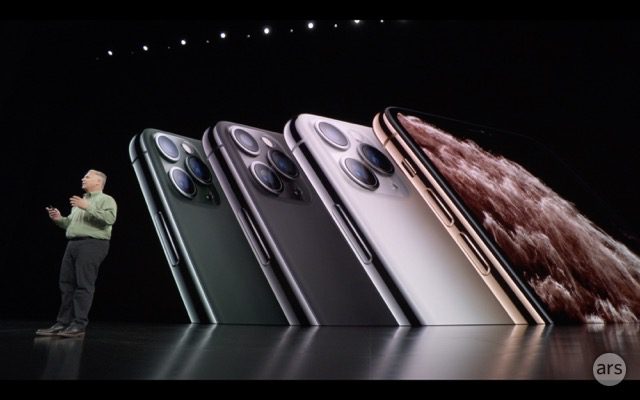
nasa changes its mind will allow artemis The decision by NASA to permit astronauts to bring iPhones and other modern smartphones on their missions marks a significant shift in the agency’s approach to technology in space.
nasa changes its mind will allow artemis
Background on NASA’s Technology Policies
Historically, NASA has maintained strict regulations regarding the types of technology that astronauts can bring on missions. This policy was primarily driven by safety concerns, the need for reliability, and the unique environment of space. Astronauts have typically relied on specially designed equipment that can withstand the harsh conditions of space travel, including extreme temperatures, radiation, and the vacuum of space.
In the past, personal items were often limited to essentials that could not interfere with mission operations or pose safety risks. This meant that while astronauts could bring some personal effects, the inclusion of consumer electronics like smartphones was generally prohibited. The rationale was that these devices could distract astronauts from their duties or malfunction in the unforgiving conditions of space.
The Shift in Policy
NASA’s recent announcement, made by Administrator Jared Isaacman, indicates a notable change in this long-standing policy. The decision to allow astronauts on the Crew-12 and Artemis II missions to bring iPhones is a reflection of the evolving role of technology in human spaceflight. Isaacman stated, “NASA astronauts will soon fly with the latest smartphones, beginning with Crew-12 and Artemis II. We are giving our crews the tools to capture special moments for their families and share inspiring images and video with the world.”
This change is not merely about allowing astronauts to use their personal devices; it represents a broader recognition of the importance of communication and connection in space missions. As space exploration becomes more ambitious, the need for astronauts to maintain a connection with their families and the public has grown increasingly important.
Implications for Astronauts
The ability to use smartphones in space opens up a range of possibilities for astronauts. One of the most immediate benefits is the opportunity to document their experiences in real-time. Astronauts can now capture high-quality images and videos, allowing them to share their unique perspectives on life in space with a global audience.
Enhanced Communication
Communication is a critical aspect of any space mission. The introduction of smartphones allows astronauts to stay in touch with their families more easily. While traditional communication methods have been effective, the immediacy and versatility of smartphones can enhance the quality of interactions. Astronauts can send messages, share photos, and even participate in video calls, fostering a sense of connection that was previously more challenging to achieve.
Public Engagement
Moreover, the ability to share experiences directly with the public can inspire a new generation of space enthusiasts. As astronauts post updates on social media platforms, they can engage with audiences in ways that were not possible before. This could lead to increased interest in space exploration and science, potentially encouraging young people to pursue careers in STEM (science, technology, engineering, and mathematics) fields.
Technical Considerations
While the decision to allow smartphones in space is exciting, it also raises several technical considerations. NASA has to ensure that these devices can operate safely in the space environment. This includes evaluating the devices for potential risks, such as interference with spacecraft systems and the effects of radiation on electronic components.
NASA has a history of adapting technology for space use. The agency has worked closely with manufacturers to create equipment that meets the rigorous demands of space travel. It is likely that similar collaborations will occur with smartphone manufacturers to ensure that devices are suitable for use in orbit.
Safety Protocols
Safety remains a top priority for NASA. The agency will likely implement strict protocols regarding the use of smartphones during missions. Astronauts may be required to follow guidelines on when and how they can use their devices, ensuring that they do not interfere with mission-critical tasks.
Stakeholder Reactions
The announcement has garnered a range of reactions from stakeholders within the space community. Many experts and former astronauts have expressed enthusiasm about the potential benefits of allowing smartphones in space. They see it as a step toward modernizing space missions and making them more relatable to the public.
Support from Astronauts
Former astronauts have weighed in on the decision, highlighting the importance of maintaining a connection to Earth. Many have shared their own experiences of isolation during missions and the challenges of being away from loved ones. The ability to communicate more freely with family and friends could significantly enhance the psychological well-being of astronauts during long missions.
Concerns from Safety Experts
However, not all reactions have been entirely positive. Some safety experts have raised concerns about the potential distractions that smartphones could introduce. They argue that while the benefits of communication are clear, the risks associated with distractions during critical mission phases must be carefully managed. These experts emphasize the need for a balanced approach that prioritizes safety while allowing for personal expression and connection.
The Future of Technology in Space
The decision to allow smartphones on Artemis II and Crew-12 missions is part of a broader trend toward integrating modern technology into space exploration. As NASA prepares for future missions, including plans for Mars exploration, the role of technology will only become more significant. The agency is exploring various ways to leverage advancements in communication, data collection, and scientific research to enhance mission success.
Potential for Future Innovations
As technology continues to evolve, NASA may explore the use of other consumer electronics in future missions. This could include tablets, wearable devices, and even advanced communication systems that utilize artificial intelligence. The integration of these technologies could further enhance the capabilities of astronauts and improve the overall mission experience.
Conclusion
The decision to allow astronauts to bring iPhones and other smartphones on their missions marks a significant evolution in NASA’s approach to technology in space. By embracing modern communication tools, NASA is not only enhancing the experience of astronauts but also fostering a deeper connection between space exploration and the public. As the agency prepares for its ambitious Artemis missions and beyond, the integration of personal technology will likely play a crucial role in shaping the future of human spaceflight.
Source: Original report
Was this helpful?
Last Modified: February 6, 2026 at 12:38 am
2 views