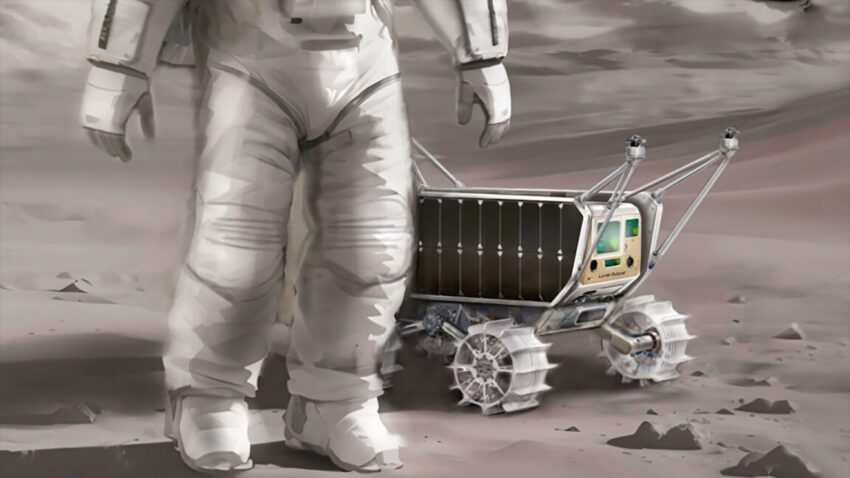
nasa astronauts will have their own droid A new robotic rover named MAPP will accompany NASA astronauts during their upcoming Artemis mission to the Moon, marking a significant advancement in lunar exploration.
nasa astronauts will have their own droid
Introduction to MAPP
The Mobile Autonomous Prospecting Platform (MAPP) has been selected by NASA to serve as the first robotic rover to operate on the lunar surface alongside astronauts. This initiative is part of the broader Artemis program, which aims to return humans to the Moon and establish a sustainable presence there. While MAPP’s tasks may not be as complex as those of fictional robots like C-3PO or R2-D2, its role is crucial for scientific exploration and understanding of the lunar environment.
The Role of MAPP in Lunar Exploration
MAPP is designed to perform a variety of functions that will aid astronauts in their exploration of the Moon. The rover will be equipped with advanced scientific instruments that will characterize the lunar surface, particularly focusing on the behavior of lunar dust and surface plasma. Understanding these elements is vital for ensuring the safety and efficiency of future lunar missions.
Scientific Instruments on MAPP
The rover will carry several scientific instruments aimed at gathering data about the lunar environment. These instruments will monitor various factors, including:
- Surface Plasma: MAPP will study the characteristics of surface plasma, which can affect both equipment and human health.
- Lunar Dust Behavior: The rover will analyze how lunar dust behaves in different conditions, which is essential for developing protective measures for astronauts and equipment.
- Environmental Monitoring: MAPP will continuously monitor environmental conditions, providing real-time data that can be used to adapt mission strategies.
Implications for Human Space Exploration
The deployment of MAPP represents a significant step forward in NASA’s efforts to create a sustainable human presence on the Moon. As Nicky Fox, NASA’s associate administrator for science, stated, “The Apollo era taught us that the further humanity is from Earth, the more dependent we are on science to protect and sustain human life on other planets.” This statement underscores the importance of scientific research in ensuring the safety of astronauts as they venture into deep space.
Learning from Past Missions
The Artemis program is built on the lessons learned from the Apollo missions, which were groundbreaking but also highlighted the challenges of lunar exploration. The Apollo missions provided invaluable data, but they also revealed the need for better preparation and understanding of the lunar environment. MAPP aims to fill these gaps by providing real-time data that can inform future missions.
Collaboration with Lunar Outpost
The development of MAPP is a collaborative effort between NASA and Lunar Outpost, a company specializing in robotic systems for space exploration. This partnership reflects a growing trend in the space industry, where public and private sectors work together to achieve ambitious goals. Lunar Outpost’s expertise in robotic technology will be instrumental in ensuring MAPP’s success on the lunar surface.
Technological Innovations
MAPP is equipped with cutting-edge technology that allows it to operate autonomously. This capability is crucial for missions where communication delays with Earth can hinder real-time decision-making. The rover’s autonomous navigation system will enable it to traverse the lunar terrain efficiently, avoiding obstacles and optimizing its path to gather data.
The Artemis Program: A New Era of Lunar Exploration
The Artemis program is not just about returning humans to the Moon; it aims to establish a sustainable presence that will serve as a stepping stone for future missions to Mars and beyond. The inclusion of robotic systems like MAPP is a key component of this strategy, as they can conduct preliminary research and prepare the environment for human explorers.
Future Missions and Goals
NASA’s long-term goals for the Artemis program include:
- Establishing a Lunar Base: The program aims to create a permanent base on the Moon, which will serve as a hub for scientific research and exploration.
- Preparing for Mars Missions: Insights gained from lunar exploration will inform strategies for future human missions to Mars.
- International Collaboration: NASA plans to work with international partners to expand the scope and impact of lunar exploration.
Stakeholder Reactions
The announcement of MAPP’s deployment has garnered positive reactions from various stakeholders in the space community. Scientists, engineers, and space enthusiasts alike recognize the importance of integrating robotic systems into human missions.
Scientific Community
Members of the scientific community have expressed enthusiasm about the potential data MAPP will provide. Researchers believe that understanding lunar dust and surface plasma will have implications not only for lunar missions but also for planetary science as a whole.
Industry Leaders
Industry leaders in the aerospace sector have also praised the collaboration between NASA and Lunar Outpost. This partnership exemplifies how private companies can contribute to national space goals, fostering innovation and efficiency in space exploration.
Challenges Ahead
While the deployment of MAPP is a significant milestone, challenges remain. The lunar environment is harsh and unpredictable, and ensuring the rover’s functionality in such conditions will be critical. Additionally, the integration of MAPP into the broader Artemis mission will require careful planning and coordination.
Technical Challenges
Some of the technical challenges that MAPP may face include:
- Extreme Temperatures: The Moon experiences extreme temperature fluctuations, which can affect the rover’s systems.
- Radiation Exposure: The lunar surface is exposed to higher levels of radiation, posing risks to both the rover and astronauts.
- Dust Accumulation: Lunar dust can be abrasive and may interfere with the rover’s sensors and mobility.
Conclusion
The introduction of MAPP as a companion rover for astronauts on the Moon represents a significant advancement in space exploration. By utilizing robotic technology, NASA aims to enhance the safety and efficiency of human missions. As the Artemis program progresses, MAPP will play a crucial role in gathering data that will inform future exploration efforts, not only on the Moon but also in the broader context of interplanetary travel.
Source: Original report
Was this helpful?
Last Modified: December 10, 2025 at 1:37 am
7 views