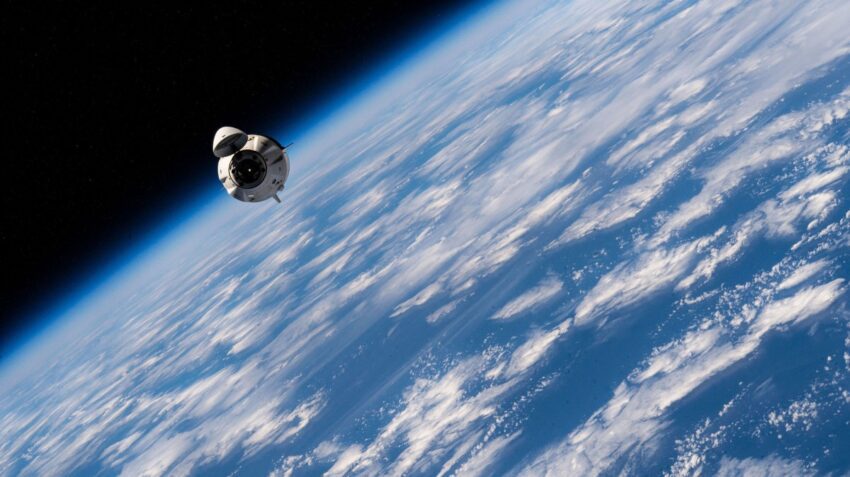
nasa astronauts can now bring their phones NASA has made a groundbreaking decision allowing astronauts to bring their personal smartphones on their upcoming missions, including the highly anticipated Artemis II mission to the Moon.
nasa astronauts can now bring their phones
Introduction to NASA’s New Policy
In a significant shift in policy, NASA has announced that astronauts will be permitted to take their personal smartphones with them on missions, including the historic Artemis II mission. This decision marks a new era in space travel, where astronauts can maintain a connection to their lives on Earth, potentially enhancing their experience and well-being during missions.
The Artemis II Mission: A Historical Context
The Artemis II mission is poised to be a landmark event in space exploration, as it will be the first crewed mission to orbit the Moon since the Apollo program concluded in the early 1970s. Scheduled for launch in March 2026, Artemis II aims to build on the successes of the Artemis I uncrewed mission, which successfully tested the Space Launch System (SLS) and the Orion spacecraft.
Significance of the Artemis Program
The Artemis program is not just a return to the Moon; it represents a broader vision for human exploration of space. NASA aims to establish a sustainable human presence on the Moon by the end of the decade, which will serve as a stepping stone for future missions to Mars. The program is named after Artemis, the twin sister of Apollo in Greek mythology, symbolizing a new era of lunar exploration that includes diverse crews and international partnerships.
Delays and Challenges
While excitement surrounds the Artemis II mission, it has faced delays. Originally scheduled for earlier in 2026, the mission was postponed to March due to technical challenges and the need for thorough testing to ensure the safety of the crew. NASA has emphasized the importance of rigorous preparation, especially given the mission’s historical significance.
Smartphones in Space: A New Frontier
The decision to allow astronauts to bring smartphones is a notable development in the realm of space travel. Historically, astronauts have had limited communication options while in space, primarily relying on specialized equipment for communication with mission control. The introduction of personal smartphones could revolutionize how astronauts interact with their families, friends, and the public during missions.
Benefits of Personal Smartphones
- Enhanced Communication: Astronauts will have the ability to communicate more freely with loved ones, sharing experiences and maintaining emotional connections during long missions.
- Social Media Engagement: With smartphones, astronauts can share real-time updates and images from space, fostering public interest and engagement in space exploration.
- Personal Well-being: The ability to stay connected may help mitigate feelings of isolation and stress that astronauts often experience during extended missions.
Technical Considerations
While the benefits are clear, there are also technical challenges to consider. NASA must ensure that the smartphones can withstand the harsh conditions of space, including radiation exposure and extreme temperatures. Additionally, the devices must be compatible with the spacecraft’s systems to facilitate communication without interfering with critical operations.
Stakeholder Reactions
The announcement has garnered a range of reactions from various stakeholders, including astronauts, scientists, and space enthusiasts.
Astronauts’ Perspectives
Many astronauts have expressed enthusiasm about the new policy. They believe that having personal devices will enhance their experience in space. Astronaut Jessica Watkins, who is slated to be part of the Artemis II crew, stated, “Being able to connect with my family and share my experiences in real-time is something I never thought would be possible. It makes the mission feel more personal.” This sentiment reflects a growing recognition of the psychological aspects of long-duration space travel.
Scientific Community’s View
Members of the scientific community have also weighed in on the decision. Some experts argue that the ability to communicate more freely could lead to increased public interest in space missions, potentially inspiring the next generation of scientists and engineers. Dr. Sarah Johnson, a space psychologist, noted, “Maintaining social connections is crucial for mental health, especially in isolated environments like space. This policy could have positive implications for crew dynamics and overall mission success.”
Public Enthusiasm
The public’s reaction has been overwhelmingly positive. Social media platforms have seen a surge in discussions about the upcoming Artemis II mission, with many expressing excitement about the prospect of astronauts sharing their experiences directly from space. This level of engagement could lead to a renewed interest in space exploration, particularly among younger audiences.
Implications for Future Missions
The decision to allow smartphones on missions could have far-reaching implications for future space exploration endeavors. As NASA prepares for missions to Mars and beyond, the lessons learned from the Artemis program will be invaluable.
Building a Sustainable Presence in Space
As NASA aims to establish a sustainable human presence on the Moon, the integration of personal technology into missions could play a crucial role. The ability to communicate effectively and maintain emotional well-being will be essential for long-duration missions, especially as crews venture further into the solar system.
International Collaboration
The Artemis program is not solely a NASA initiative; it involves collaboration with international partners, including the European Space Agency (ESA) and the Canadian Space Agency (CSA). The inclusion of personal smartphones could facilitate better communication and collaboration among international crews, fostering a sense of unity and shared purpose in space exploration.
Conclusion
The decision to allow astronauts to bring smartphones on their missions, particularly the Artemis II mission, represents a significant evolution in how space travel is approached. As NASA prepares for this historic journey around the Moon, the integration of personal technology could enhance the experience for astronauts and foster greater public engagement in space exploration. With the Artemis program paving the way for future missions to Mars and beyond, the implications of this policy extend far beyond the Moon, potentially shaping the future of human spaceflight.
Source: Original report
Was this helpful?
Last Modified: February 6, 2026 at 3:40 am
1 views