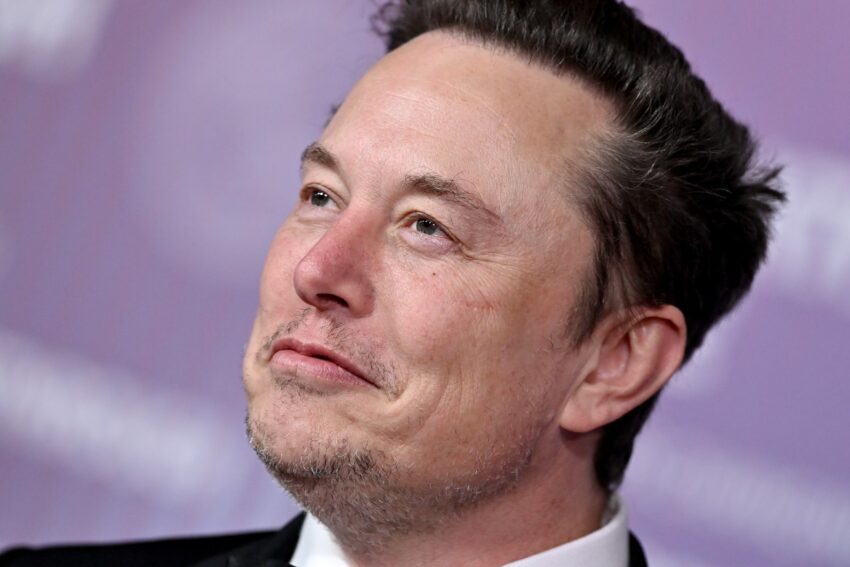
musk wants up to 134b in openai Elon Musk is pursuing a staggering $134 billion in damages from OpenAI, highlighting the complexities of investment returns and intellectual property rights in the tech industry.
musk wants up to 134b in openai
Background of the Lawsuit
The lawsuit filed by Musk against OpenAI stems from his early involvement with the organization, which he co-founded in December 2015. Musk’s vision for OpenAI was rooted in the belief that artificial intelligence (AI) should be developed safely and ethically, ensuring that its benefits are distributed broadly. However, as OpenAI evolved, Musk distanced himself from the organization, citing concerns over its direction and the potential risks associated with advanced AI technologies.
OpenAI transitioned from a non-profit model to a capped-profit model, allowing it to attract significant investments, including a notable partnership with Microsoft. This shift raised questions about the original mission and the implications for early investors like Musk, who believed in the foundational principles of the organization.
Musk’s Claims and Legal Arguments
Musk’s legal team argues that he should be compensated as an early startup investor. They contend that his initial investment in OpenAI should yield returns “many orders of magnitude greater” than what he originally contributed. This assertion raises important questions about the nature of startup investments and the expectations surrounding returns in the tech industry.
Investment Dynamics in Startups
In the startup ecosystem, early investors often take on significant risks with the hope of reaping substantial rewards. The dynamics of these investments can be complex, influenced by various factors including market conditions, competition, and the trajectory of the company itself. Musk’s claim for $134 billion reflects not only his belief in the potential of AI but also the high stakes involved in the tech sector.
Historically, successful tech startups have generated returns that far exceed initial investments. For instance, companies like Google and Facebook have provided their early investors with astronomical returns, leading to a culture where high expectations are commonplace. Musk’s legal argument hinges on this precedent, suggesting that his early involvement should entitle him to a share of the immense value that OpenAI has created.
Intellectual Property and Ownership Rights
Another critical aspect of Musk’s lawsuit pertains to intellectual property rights. As a co-founder, Musk may argue that he has a claim to certain intellectual properties developed during his tenure at OpenAI. The legal landscape surrounding intellectual property in tech startups is intricate, often involving negotiations and agreements that dictate ownership rights.
In many cases, founders and early investors sign agreements that outline their rights to intellectual property. If Musk can demonstrate that he has a legitimate claim to specific technologies or innovations developed by OpenAI, it could strengthen his case for compensation. However, the outcome may depend on the specifics of the agreements he signed and the legal interpretations of those documents.
OpenAI’s Response
As the lawsuit unfolds, OpenAI has yet to publicly respond in detail to Musk’s claims. However, the organization has consistently emphasized its commitment to its mission of ensuring that artificial general intelligence (AGI) benefits all of humanity. OpenAI’s leadership may argue that Musk’s departure from the organization and subsequent criticisms reflect a divergence in vision rather than a breach of any legal obligations.
Potential Implications for the Tech Industry
The outcome of Musk’s lawsuit could have far-reaching implications for the tech industry, particularly in how early investments and intellectual property rights are handled. If Musk is successful in his claims, it could set a precedent for other early investors seeking compensation from startups that have grown significantly since their inception.
Moreover, the case raises questions about the responsibilities of founders and investors in tech companies. As startups navigate the complexities of growth and innovation, the relationships between investors and founders can become strained. Musk’s lawsuit may prompt a reevaluation of how these relationships are structured and the expectations surrounding returns on investment.
Stakeholder Reactions
The tech community has reacted with a mix of intrigue and skepticism regarding Musk’s lawsuit. Some industry experts argue that Musk’s claims are excessive, given his substantial wealth, estimated at around $700 billion. Critics suggest that seeking $134 billion in damages may be more about public relations and positioning than a genuine legal grievance.
Conversely, supporters of Musk argue that his contributions to OpenAI and the broader AI landscape warrant recognition and compensation. They contend that the lawsuit highlights the challenges faced by early investors in navigating the evolving landscape of technology and innovation.
Public Perception and Media Coverage
The media coverage surrounding Musk’s lawsuit has been extensive, reflecting his status as a high-profile figure in the tech industry. Musk’s reputation for bold claims and ambitious ventures has drawn attention to the case, with many commentators speculating on the potential outcomes and implications.
Public perception of Musk is often polarized, with some viewing him as a visionary entrepreneur while others criticize his approach to business and innovation. This dichotomy may influence how the lawsuit is perceived by the general public and the tech community alike.
Conclusion
Elon Musk’s pursuit of $134 billion from OpenAI underscores the complexities of investment dynamics, intellectual property rights, and the evolving landscape of the tech industry. As the lawsuit progresses, it will be essential to monitor the legal arguments presented by both parties and the potential implications for future investments in startups.
The case serves as a reminder of the high stakes involved in the tech sector, where early investors often navigate a landscape fraught with uncertainty and opportunity. Whether Musk’s claims will be validated in court remains to be seen, but the discussions surrounding this lawsuit will likely continue to shape conversations about investment, innovation, and the responsibilities of those involved in the tech industry.
Source: Original report
Was this helpful?
Last Modified: January 17, 2026 at 10:47 pm
5 views