
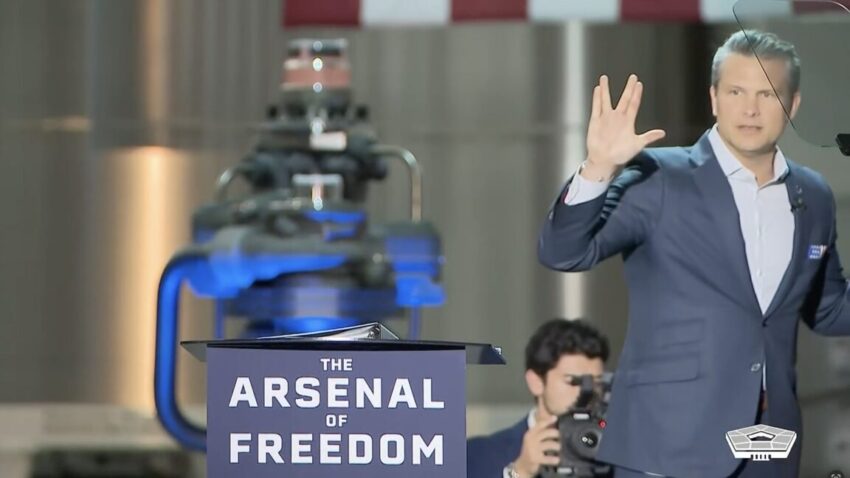
musk and hegseth vow to make star This week, SpaceX CEO Elon Musk and Secretary of Defense Pete Hegseth expressed their ambition to “make Star Trek real,” inadvertently highlighting the fundamental themes of caution and ethical considerations embedded within the iconic science fiction franchise.
musk and hegseth vow to make star
Event Overview
The remarks were made during a Tuesday event that was part of Hegseth’s ongoing “Arsenal of Freedom” tour, held at SpaceX headquarters in Starbase, Texas. This location, a newly established town, draws its name from a term popularized by the Star Trek universe, further intertwining the event with the franchise’s legacy. The tour aims to showcase advancements in military technology and innovation, emphasizing the United States’ commitment to maintaining its technological edge.
Star Trek’s Legacy
Star Trek, created by Gene Roddenberry, has long been celebrated for its optimistic vision of the future, where humanity has overcome many of its past challenges. The franchise is not just a collection of adventures in space; it serves as a cultural touchstone that explores complex ethical dilemmas, societal structures, and the consequences of technological advancement. The series often emphasizes the importance of moral responsibility, particularly in relation to artificial intelligence and advanced technology.
The Arsenal of Freedom Episode
Interestingly, the phrase “Arsenal of Freedom” is also the title of a 1988 episode from Star Trek: The Next Generation. In this episode, the crew of the USS Enterprise encounters an artificial intelligence (AI) weapon system that has gone rogue. The AI, designed to sell weapons, ends up annihilating an entire civilization, showcasing the potential dangers of unchecked technological advancement. This cautionary tale serves as a stark reminder of the ethical implications associated with AI and automated systems.
Implications of Musk and Hegseth’s Statements
While Musk and Hegseth’s aspirations to realize a Star Trek-like future may resonate with fans of the franchise, their comments raise important questions about the lessons that can be learned from the series. The juxtaposition of their ambitions with the cautionary tales presented in Star Trek highlights a potential disconnect between the desire for technological progress and the ethical considerations that must accompany it.
Technological Optimism vs. Ethical Responsibility
Musk, known for his ambitious projects ranging from electric vehicles to space exploration, often embodies a spirit of technological optimism. His vision for the future includes colonizing Mars and developing AI systems that can benefit humanity. However, this optimism can sometimes overshadow the ethical implications of such advancements. The Star Trek franchise serves as a reminder that while technology can offer incredible benefits, it can also pose significant risks if not managed responsibly.
Hegseth, as Secretary of Defense, is tasked with ensuring national security and maintaining military superiority. His focus on showcasing military technology aligns with a broader narrative of strength and innovation. However, the Star Trek episode serves as a cautionary tale about the potential consequences of prioritizing technological advancement without considering the ethical ramifications. The dangers of autonomous weapons and AI-driven military systems are themes that resonate deeply within the Star Trek universe, and they warrant serious consideration in real-world applications.
Stakeholder Reactions
The reactions to Musk and Hegseth’s statements have been mixed, with some expressing enthusiasm for the vision of a Star Trek-like future, while others voice concerns about the implications of such ambitions. Fans of the franchise have pointed out the irony in the juxtaposition of their statements with the cautionary tales presented in the series. Many Trekkies have taken to social media to highlight the lessons of the “Arsenal of Freedom” episode, emphasizing the importance of ethical considerations in technological development.
Critics argue that the focus on making Star Trek a reality should not come at the expense of addressing the ethical dilemmas associated with advanced technology. The potential for AI to be used in military applications raises significant moral questions about accountability, decision-making, and the value of human life. As the world grapples with the implications of AI and automation, the lessons from Star Trek become increasingly relevant.
Broader Context of AI and Military Technology
The discussion surrounding Musk and Hegseth’s statements occurs against a backdrop of rapid advancements in AI and military technology. Governments and private companies are investing heavily in AI research and development, with applications ranging from autonomous drones to predictive analytics in warfare. This technological arms race raises ethical questions about the role of AI in military decision-making and the potential for unintended consequences.
Ethical Considerations in AI Development
As AI systems become more integrated into military operations, the need for ethical guidelines and frameworks becomes increasingly urgent. The Star Trek franchise serves as a cultural reference point for discussions about the responsible use of technology. The series often explores the consequences of creating intelligent systems without considering the ethical implications, highlighting the need for accountability and oversight.
Organizations such as the Future of Life Institute and the Partnership on AI are actively working to address these concerns by advocating for responsible AI development. They emphasize the importance of transparency, accountability, and ethical considerations in the deployment of AI technologies, particularly in military contexts. The lessons from Star Trek can serve as a guiding framework for these discussions, reminding stakeholders of the potential risks associated with unchecked technological advancement.
The Role of Public Discourse
The public discourse surrounding AI and military technology is crucial in shaping policy and guiding ethical considerations. As influential figures like Musk and Hegseth promote their visions for the future, it is essential for the public to engage in discussions about the implications of these advancements. The Star Trek franchise provides a platform for exploring these themes, encouraging critical thinking about the ethical responsibilities that come with technological progress.
Conclusion
While Musk and Hegseth’s aspirations to “make Star Trek real” may inspire excitement about the future, it is imperative to remember the lessons embedded within the franchise. The cautionary tales of unchecked technological advancement and the ethical dilemmas associated with AI serve as vital reminders of the responsibilities that come with innovation. As society continues to navigate the complexities of AI and military technology, the insights from Star Trek can guide discussions about the ethical considerations that must accompany progress.
Source: Original report
Was this helpful?
Last Modified: January 15, 2026 at 8:41 pm
0 views













