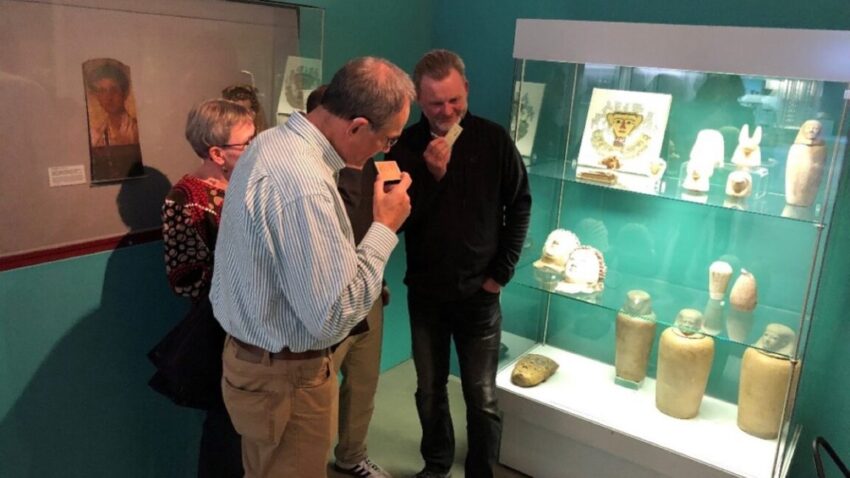
museums incorporate scent of the afterlife into In a groundbreaking initiative, museums are integrating the “scent of the afterlife” into their exhibits on ancient Egypt, enhancing the visitor experience and deepening the understanding of embalming practices.
museums incorporate scent of the afterlife into
The Science Behind the Scent
In 2023, a team of scientists made significant strides in understanding the complex balms used in the mummification process of an ancient Egyptian noblewoman. This research revealed that the recipes for these balms were not only intricate but also included ingredients that were not native to the region. The findings suggest a sophisticated trade network and a deep understanding of chemistry among the ancient Egyptians.
Co-author Barbara Huber, affiliated with the Max Planck Institute of Geoanthropology and the University of Tübingen, described the reconstructed aroma as “the scent of eternity.” This phrase encapsulates the essence of ancient Egyptian beliefs about life, death, and the afterlife. The collaboration with a perfumer aimed to recreate this unique scent, which is now being incorporated into museum exhibits to provide a more immersive experience for visitors.
Historical Context of Egyptian Embalming
To fully appreciate the significance of this initiative, it is essential to understand the historical context of embalming in ancient Egypt. The practice is believed to have originated during the Predynastic Period, or even earlier, when ancient Egyptians first observed that the arid desert climate naturally preserved bodies buried in the sand. This observation marked the beginning of a profound cultural and religious evolution regarding death and the afterlife.
As burial practices evolved, so did the methods of embalming. Initially, bodies were simply buried in the desert, but as beliefs about the afterlife became more complex, the need for more elaborate burial practices emerged. The use of rock tombs, which provided protection from the elements, led to the development of more sophisticated embalming techniques. Chemicals such as natron salt and plant-based resins became integral to the process, allowing for better preservation of the deceased.
The Embalming Process
The embalming process in ancient Egypt was meticulous and ritualistic, reflecting the cultural significance of death and the afterlife. Typically, the procedure began with the body being laid on a table, where the internal organs were removed, with the heart being the notable exception. The heart was considered the seat of intelligence and emotion, and it was believed to be essential for the deceased’s journey in the afterlife.
According to the ancient Greek historian Herodotus, the embalming process involved several steps:
- “They first draw out part of the brain through the nostrils with an iron hook, and inject certain drugs into the rest” to liquefy the remaining brain matter.
- The body cavity was then washed out with spices and palm wine, which served both a cleansing and aromatic purpose.
- After cleaning, the body was sewn back up, and aromatic plants and spices were placed inside, including bags of natron, which helped to absorb moisture.
- The body was then allowed to dehydrate over a period of 40 days, a crucial step in the preservation process.
- The dried organs were either sealed in canopic jars or sometimes returned to the body cavity.
- Finally, the body was wrapped in multiple layers of linen cloth, with protective amulets placed within those layers to guard against evil spirits.
- The fully wrapped mummy was then coated in resin to keep moisture out and placed in a coffin, which was also sealed with resin.
This intricate process was not merely about preservation; it was deeply intertwined with the religious beliefs of the time. The ancient Egyptians believed that the soul would continue to exist in the afterlife, and proper embalming was essential for ensuring a safe passage and a comfortable existence in the next world.
The Role of Scent in Ancient Egyptian Culture
The incorporation of scent into the embalming process and burial practices highlights the importance of aroma in ancient Egyptian culture. Fragrances were not only used for practical purposes but also held significant spiritual meaning. The use of aromatic resins and oils was believed to please the gods and facilitate a connection between the living and the dead.
By recreating the scent associated with mummification, museums aim to provide visitors with a sensory experience that deepens their understanding of these ancient practices. The olfactory element adds a new dimension to the exhibit, allowing visitors to engage with history in a more profound way. This approach aligns with contemporary trends in museum curation, where immersive experiences are increasingly valued.
Implementation in Museums
Barbara Huber’s collaboration with museum curators marks a significant step in the evolution of how ancient Egyptian history is presented. The integration of the “scent of eternity” into exhibits is designed to transform the visitor experience, making it more interactive and engaging. By appealing to the sense of smell, museums can evoke emotions and memories, creating a lasting impression on visitors.
Two museums have been at the forefront of this initiative, incorporating the reconstructed scent into their Egyptian exhibits. This innovative approach not only enhances the educational aspect of the exhibits but also invites visitors to explore the cultural significance of scent in ancient Egyptian society.
Visitor Reactions and Implications
Initial reactions from visitors have been overwhelmingly positive. Many have expressed that the inclusion of scent has made the exhibits feel more alive and relatable. The ability to experience a sensory aspect of history allows for a deeper connection to the past, fostering a greater appreciation for the complexities of ancient Egyptian culture.
Moreover, this initiative raises important questions about the role of sensory experiences in education and museum curation. As museums continue to evolve, the integration of multiple senses could become a standard practice, enriching the visitor experience and making history more accessible and engaging.
Future Prospects
The success of incorporating scent into Egyptian exhibits may pave the way for similar initiatives in other cultural contexts. As researchers continue to explore the sensory dimensions of ancient practices, museums around the world could adopt similar strategies to enhance their exhibits. The potential for olfactory experiences to transform how we engage with history is vast, and this initiative serves as a pioneering example.
Furthermore, the research into ancient embalming practices and the complexities of the balms used opens up new avenues for interdisciplinary collaboration. Scientists, historians, and artists can work together to create a more holistic understanding of ancient cultures, enriching both academic research and public engagement.
Conclusion
The integration of the “scent of eternity” into museum exhibits on ancient Egypt represents a significant advancement in how history is presented and experienced. By combining scientific research with creative curation, museums are redefining the visitor experience, making it more immersive and meaningful. As this initiative gains traction, it may inspire a broader movement toward sensory engagement in museums, ultimately transforming our understanding of the past.
Source: Original report
Was this helpful?
Last Modified: February 5, 2026 at 11:36 am
3 views