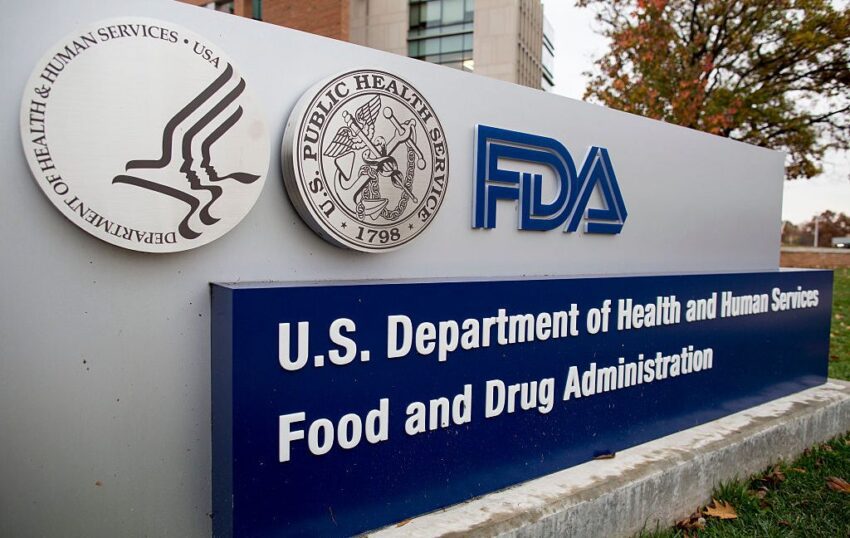
more fda drama top drug regulator calls The recent resignation of Richard Pazdur from his position as the top drug regulator at the FDA has raised eyebrows and sparked discussions about the agency’s stability and future direction.
more fda drama top drug regulator calls
Background on Richard Pazdur’s Appointment
Richard Pazdur, an oncologist with a long-standing career at the FDA, was appointed to lead the Center for Drug Evaluation and Research (CDER) on November 11, 2025. His appointment came at a time when the agency was facing significant challenges, including a tarnished reputation and internal strife. Pazdur was expected to bring a sense of stability to an agency that had been criticized for its handling of drug approvals and regulatory processes during the latter part of the Trump administration.
Pazdur’s extensive experience at the FDA, where he had worked since 1999, positioned him as a knowledgeable figure capable of navigating the complexities of drug regulation. His previous roles included overseeing the approval of numerous cancer therapies, which earned him respect among both his peers and the pharmaceutical industry. His selection was viewed as a strategic move to restore confidence in the FDA, especially following the tumultuous tenure of his predecessor, George Tidmarsh.
The Circumstances Surrounding Tidmarsh’s Departure
George Tidmarsh’s exit from the FDA was marked by controversy. He left amid an investigation and a lawsuit related to allegations of misconduct, specifically claims that he had used his position to settle personal scores against a former business partner. This scandal not only raised questions about Tidmarsh’s leadership but also cast a shadow over the FDA’s credibility. In the wake of Tidmarsh’s departure, the agency was described by some as a “clown show,” reflecting the frustrations of various stakeholders, including venture capital investors and industry representatives.
The FDA had been under scrutiny for its perceived erratic behavior and unpredictability in drug approvals, particularly during a time when the public was increasingly reliant on the agency for timely access to new therapies. The tumultuous environment within the FDA made Pazdur’s appointment even more critical, as stakeholders hoped he would bring a renewed focus on transparency and efficiency.
Pazdur’s Short Tenure and Immediate Resignation
Despite the initial optimism surrounding Pazdur’s appointment, his tenure was abruptly cut short. Reports indicate that he decided to retire just three weeks into his role, a move that has left many questioning the underlying reasons for his departure. While the specifics of his decision have not been publicly disclosed, it is clear that the challenges facing the FDA are complex and multifaceted.
Insiders suggest that the pressure to navigate the agency’s troubled waters may have contributed to Pazdur’s decision. The FDA has been grappling with a series of high-profile controversies, including debates over the approval processes for COVID-19 vaccines and treatments, as well as ongoing concerns about the safety and efficacy of various drugs. The agency’s ability to maintain public trust has been further complicated by political influences and shifting regulatory priorities.
Reactions from Stakeholders
The reactions to Pazdur’s resignation have been varied, reflecting the diverse interests of stakeholders involved in the drug approval process. Patient advocacy groups, who had initially welcomed Pazdur’s leadership, expressed disappointment at the news. Many had hoped that his experience and commitment to patient safety would lead to more streamlined and transparent regulatory processes.
Industry representatives also voiced their concerns, with some suggesting that Pazdur’s departure signals a lack of stability within the FDA. The pharmaceutical industry has been advocating for clearer guidelines and more predictable timelines for drug approvals, and the sudden change in leadership raises questions about the agency’s ability to meet these expectations.
Concerns About Agency Stability
One of the most pressing concerns following Pazdur’s resignation is the potential impact on the FDA’s stability. The agency has faced significant challenges in recent years, and the frequent turnover in leadership positions only exacerbates these issues. Stakeholders worry that the lack of continuity in leadership could hinder the FDA’s ability to effectively respond to emerging public health crises and maintain its role as a trusted regulatory authority.
Moreover, the ongoing turmoil within the FDA may have broader implications for public health. As the agency continues to navigate complex regulatory landscapes, the need for strong and effective leadership becomes increasingly critical. The uncertainty surrounding the FDA’s direction could lead to delays in drug approvals and a potential erosion of public trust in the agency’s ability to safeguard public health.
The Future of the FDA
As the FDA grapples with the fallout from Pazdur’s resignation, questions arise about the future leadership of the agency and its strategic direction. The appointment of a new leader will be crucial in shaping the FDA’s response to ongoing challenges, including the need for regulatory reforms and improved transparency in the drug approval process.
In light of the recent controversies, it is imperative for the FDA to prioritize rebuilding trust with stakeholders, including patients, healthcare providers, and the pharmaceutical industry. This may involve implementing more robust communication strategies, enhancing stakeholder engagement, and fostering a culture of accountability within the agency.
Potential Candidates for Leadership
The search for a new leader at the FDA will likely involve careful consideration of candidates who possess the necessary expertise and experience to navigate the agency’s complex landscape. Potential candidates may include individuals with backgrounds in public health, regulatory affairs, and clinical research. Additionally, candidates who have demonstrated a commitment to transparency and collaboration with stakeholders may be favored.
As the FDA moves forward, it will be essential for the new leader to address the concerns raised by stakeholders and work towards restoring confidence in the agency’s ability to fulfill its mission. This may involve reevaluating existing policies, streamlining approval processes, and fostering a more collaborative relationship with the pharmaceutical industry.
Conclusion
Richard Pazdur’s resignation from the FDA just three weeks after his appointment has highlighted the ongoing challenges facing the agency. As stakeholders grapple with the implications of this sudden leadership change, the need for stability and effective governance within the FDA has never been more apparent. The agency’s ability to navigate the complexities of drug regulation and maintain public trust will depend on its next steps and the leadership it chooses to guide its future.
Source: Original report
Was this helpful?
Last Modified: December 3, 2025 at 5:36 am
4 views