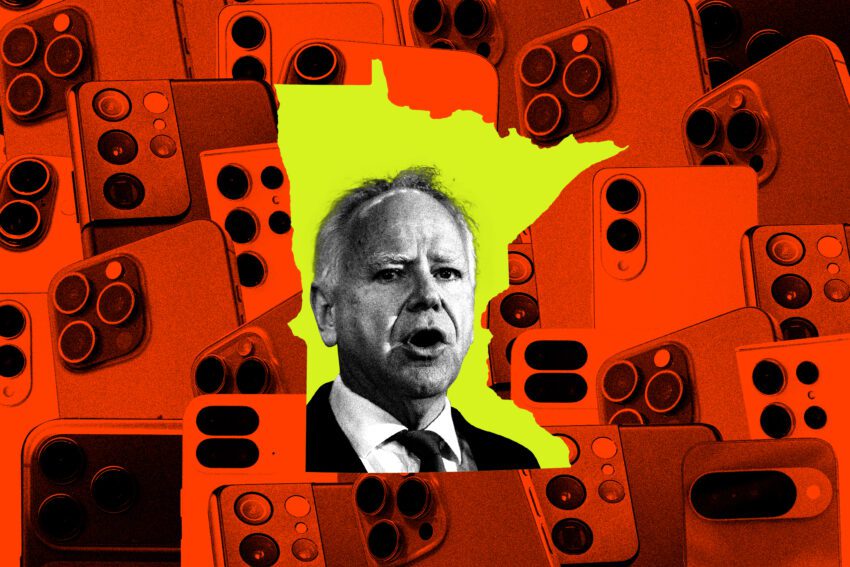
minnesota wants to win a war of Minnesota Governor Tim Walz is advocating for a unique approach to counter federal immigration enforcement actions, urging residents to document these encounters as a means of accountability.
minnesota wants to win a war of
Context of the Situation
The call to action by Governor Walz comes amid heightened tensions between state and federal authorities, particularly regarding the enforcement of immigration laws by the U.S. Immigration and Customs Enforcement (ICE). In recent months, there have been reports of ICE agents conducting operations in various public spaces, including hospitals, schools, and shopping centers. These actions have raised concerns among local communities about the safety and rights of undocumented immigrants.
As masked and armed men in combat armor swarmed throughout the Twin Cities, the atmosphere became increasingly charged. Many residents felt a sense of fear and uncertainty as they witnessed federal agents operating in their neighborhoods. In response to this climate, Walz took to primetime television to address Minnesotans directly, urging them to take an active role in documenting ICE activities.
Walz’s Call for Documentation
During his televised address, Walz encouraged residents to film ICE encounters, stating that these videos would serve multiple purposes. He emphasized the importance of creating a “database of the atrocities against Minnesotans,” which would not only establish a historical record but also provide crucial evidence for potential future prosecutions of those involved in unlawful actions.
The Vision of Accountability
Walz’s vision extends beyond mere documentation; he envisions a future where accountability is enforced through legal mechanisms. He drew parallels to the Nuremberg trials, which were held after World War II to prosecute war criminals. By invoking this historical reference, Walz underscored the gravity of the situation and the need for a systematic approach to justice.
His speech resonated with many constituents who felt powerless in the face of federal authority. By framing the issue as one of legal accountability, Walz provided emotional solace to those affected by ICE’s actions. He emphasized that the legal system and the ballot box are tools for peaceful regime change and a means to hold those in power accountable.
Implications of Walz’s Strategy
The implications of Walz’s strategy are significant. By encouraging citizens to document ICE activities, he is fostering a culture of vigilance and activism. This approach not only empowers individuals but also challenges the narrative surrounding immigration enforcement. It positions local communities as active participants in the fight for justice and accountability.
Potential Legal Ramifications
Walz’s initiative may lead to various legal ramifications. If a substantial amount of evidence is collected, it could pave the way for investigations into ICE’s practices and policies. This could potentially result in legal action against the agency or individual officers if any misconduct is documented. The prospect of legal accountability could deter future aggressive actions by federal agents, as they may be more cautious knowing that their actions are being recorded and scrutinized.
Community Response
The response from the community has been mixed. Many residents have expressed support for Walz’s initiative, viewing it as a necessary step to protect vulnerable populations. Advocacy groups have rallied behind the governor’s call, organizing workshops and training sessions on how to safely document ICE encounters. These efforts aim to equip residents with the skills needed to effectively capture evidence while ensuring their own safety.
However, there are also concerns about the potential risks associated with filming federal agents. Some community members worry that documenting ICE activities could lead to retaliation against individuals who participate in this initiative. There are fears that federal authorities may target those who are vocal or visible in their opposition to immigration enforcement. This tension highlights the delicate balance between activism and personal safety in the current political climate.
Political Landscape
Walz’s stance on this issue has drawn attention not only within Minnesota but also nationally. His approach reflects a broader trend among Democratic governors and mayors who are increasingly pushing back against federal immigration policies. This resistance is often framed as a matter of local governance and community rights, asserting that local authorities should have a say in how federal laws are enforced within their jurisdictions.
Reactions from Stakeholders
Reactions from various stakeholders have been swift. Advocacy organizations have praised Walz for his leadership and commitment to protecting immigrant communities. Groups such as the American Civil Liberties Union (ACLU) have expressed support for the initiative, emphasizing the importance of transparency and accountability in law enforcement.
On the other hand, critics of Walz’s approach argue that it could lead to increased tensions between state and federal authorities. Some law enforcement officials have expressed concerns that encouraging residents to film ICE could hinder their ability to carry out their duties effectively. They argue that such actions could escalate confrontations and create unsafe situations for both officers and civilians.
Broader Implications for Immigration Policy
Walz’s initiative also raises broader questions about immigration policy in the United States. As states like Minnesota take a stand against federal enforcement actions, it highlights the growing divide between state and federal authorities on immigration issues. This tension may lead to a patchwork of policies across the country, with some states adopting more lenient approaches while others align closely with federal directives.
The Role of Technology in Activism
The use of technology in activism is another important aspect of Walz’s initiative. In an age where smartphones and social media dominate communication, the ability to document and share information has never been more accessible. This technological shift empowers individuals to take action and advocate for change in real-time.
By encouraging residents to film ICE encounters, Walz is leveraging the power of technology to create a grassroots movement for accountability. This approach not only democratizes the process of documenting injustices but also amplifies the voices of those who may otherwise remain unheard.
Conclusion
Governor Tim Walz’s call for Minnesotans to document ICE activities represents a significant shift in the approach to immigration enforcement at the state level. By fostering a culture of accountability and activism, Walz is empowering residents to take an active role in protecting their communities. While the implications of this initiative are still unfolding, it underscores the importance of local governance in shaping immigration policy and the potential for grassroots movements to effect change.
Source: Original report
Was this helpful?
Last Modified: January 17, 2026 at 10:39 pm
4 views