microsoft takes down mod that re-created halo Microsoft has taken action against a popular mod that sought to recreate the experience of Halo 3 within Counter-Strike 2, highlighting ongoing tensions between game developers and the modding community.
microsoft takes down mod that re-created halo
Introduction to Project Misriah
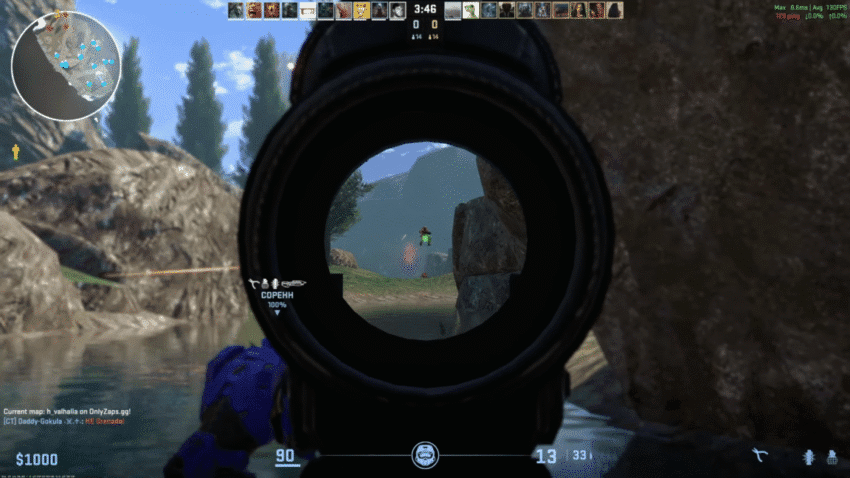
On November 16, 2025, modder Froddoyo launched Project Misriah, an ambitious modding initiative designed to bring the essence of Halo 3 into Valve’s Counter-Strike 2. This project aimed to create a workshop collection featuring ported maps and assets that would allow players to experience a multiplayer environment reminiscent of the beloved Halo title. The mod was not merely inspired by Halo 3; it directly replicated various elements such as sound effects, character models, maps, and even movement mechanics from the iconic franchise developed by Bungie and published by Microsoft.
Community Reception
Upon its release, Project Misriah quickly garnered attention and praise from both Halo enthusiasts and gamers intrigued by the capabilities of the Source 2 engine. Many players lauded the mod for its attention to detail and the nostalgic experience it provided, allowing them to relive moments from Halo 3 in a different gaming environment. The mod’s reception highlighted the creativity and technical skills of the modding community, which often pushes the boundaries of existing games to create new experiences.
Technical Achievements
Project Misriah showcased several technical achievements that impressed players. The mod utilized the Source 2 engine’s capabilities to recreate the visual aesthetics of Halo 3, including its distinctive art style and character designs. The modders successfully integrated various gameplay mechanics from Halo, such as sprinting and weapon handling, into the Counter-Strike framework. This blending of two iconic franchises demonstrated the potential for modding to enhance and expand upon existing games.
Community Feedback
The mod received a wave of positive feedback, with players sharing their experiences on social media and gaming forums. Many expressed their excitement about the possibility of revisiting Halo 3’s gameplay in a new context, while others praised the modding team’s dedication to quality and authenticity. This enthusiasm underscored the strong connection between players and the Halo franchise, as well as the broader appreciation for modding as a creative outlet within the gaming community.
Legal Challenges and DMCA Complaint
Despite its initial success, Project Misriah faced significant legal challenges when Microsoft issued a Digital Millennium Copyright Act (DMCA) complaint against the mod. On the following Wednesday, Froddoyo shared the DMCA request, which cited the “unauthorized use of Halo game content in a [Steam] workshop not associated with Halo games.” This action led to the removal of Project Misriah from the Steam Workshop, effectively ending the mod’s availability to players.
Understanding DMCA and Its Implications
The DMCA is a United States copyright law that provides a mechanism for copyright holders to protect their intellectual property from unauthorized use. In this case, Microsoft, as the owner of the Halo franchise, exercised its rights under the DMCA to protect its content from being used without permission. While the law is designed to safeguard creators’ rights, it also raises questions about the modding community’s ability to innovate and create new experiences based on existing intellectual properties.
Reactions from the Modding Community
The removal of Project Misriah sparked a range of reactions within the modding community and among gamers. Many expressed disappointment over the decision, arguing that mods often serve as a tribute to beloved franchises and can help keep them alive in the gaming landscape. Some modders voiced concerns about the implications of the DMCA on their creative freedom, fearing that such actions could stifle innovation and discourage future projects.
The Broader Context of Modding and Copyright
The situation surrounding Project Misriah is not an isolated incident; it reflects a broader trend in the gaming industry regarding modding and copyright issues. Over the years, numerous mods have faced similar legal challenges, often leading to the removal of fan-created content. This ongoing conflict raises important questions about the balance between protecting intellectual property and fostering a vibrant modding community.
Historical Precedents
Historically, the relationship between game developers and modders has been complex. While some companies embrace modding and even support it through official modding tools and platforms, others take a more restrictive approach. For instance, Bethesda has been known to support modding for its games, providing tools and resources for the community. In contrast, other developers have pursued legal action against mods that utilize their content without permission, leading to tensions between creators and copyright holders.
The Role of Mods in Gaming Culture
Mods play a significant role in gaming culture, often enhancing the longevity of games and providing players with new experiences. They can introduce new gameplay mechanics, improve graphics, and even create entirely new narratives within existing game worlds. This creative expression is a vital aspect of the gaming community, allowing players to engage with their favorite titles in innovative ways.
Potential Solutions and Future Outlook
As the debate over modding and copyright continues, potential solutions may emerge to address the concerns of both developers and modders. One approach could involve clearer guidelines and frameworks for modding, allowing creators to work within established parameters while respecting intellectual property rights. Some developers have begun to adopt more lenient policies, recognizing the value that mods can bring to their franchises.
Collaborative Opportunities
Another potential avenue for resolution lies in collaboration between developers and modders. By fostering partnerships, companies can leverage the creativity of the modding community while ensuring that their intellectual property is protected. This collaborative approach could lead to official modding programs, where developers provide tools and resources for modders to create content that aligns with their vision.
Community Advocacy
The modding community may also benefit from advocacy efforts aimed at promoting the importance of modding in gaming culture. By raising awareness of the positive impact that mods can have on player engagement and game longevity, advocates can help shift perceptions and encourage developers to adopt more supportive policies. This advocacy could play a crucial role in shaping the future of modding and copyright in the gaming industry.
Conclusion
The takedown of Project Misriah serves as a reminder of the ongoing tensions between game developers and the modding community. While Microsoft’s actions were rooted in protecting its intellectual property, they also highlight the challenges faced by modders who seek to innovate and create new experiences based on existing franchises. As the gaming landscape continues to evolve, finding a balance between copyright protection and creative expression will be essential for fostering a vibrant and dynamic gaming community.
Source: Original report
Was this helpful?
Last Modified: December 16, 2025 at 5:40 am
6 views